


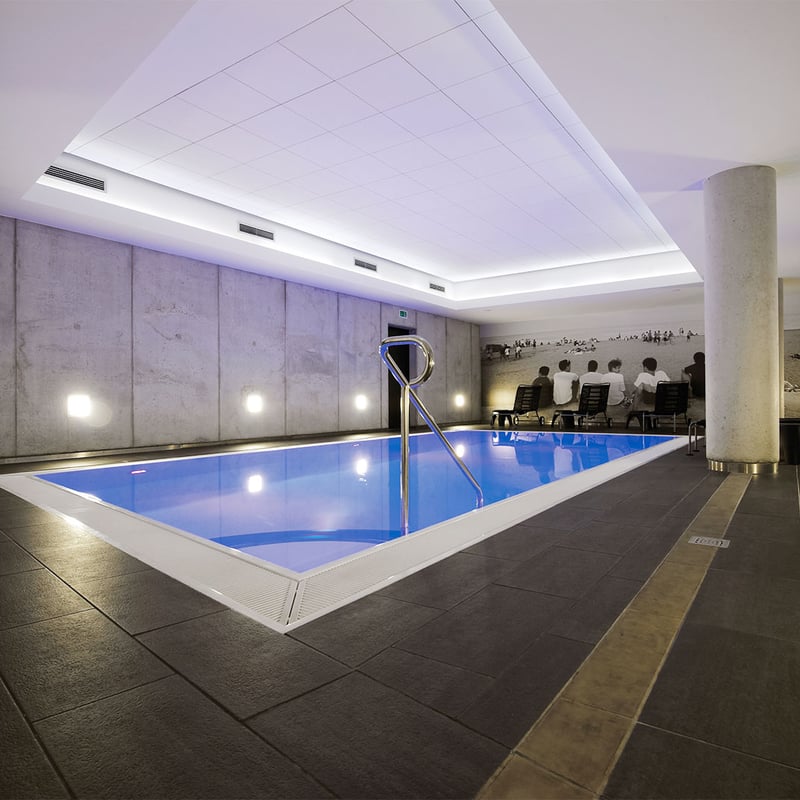
A modern architectural addition rises from a historic merchant's house perched on Bremen's old city wall ruins, creating striking visual tension on the Weser riverbank. Dutch designers filled the 51 rooms with monochrome palettes, modernist furniture, and oversized photography; many bathrooms open directly onto bedrooms. The subterranean spa trades expected serenity for moody drama, while FreudenHaus restaurant interprets North German cuisine with contemporary flair.
Bremen Travel Guide: Best Hotels, Restaurants & Experiences 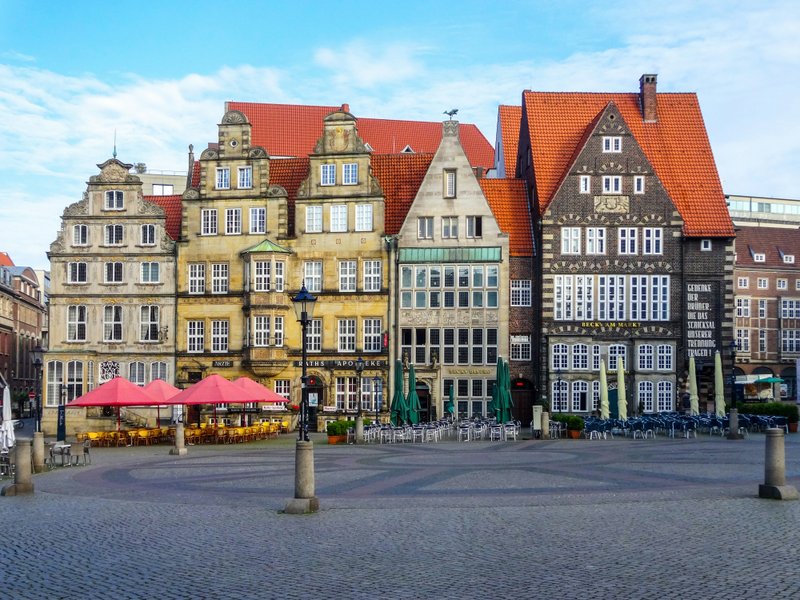
Explore Bremen
Hotels (1)
Restaurants (4)
Where to Stay

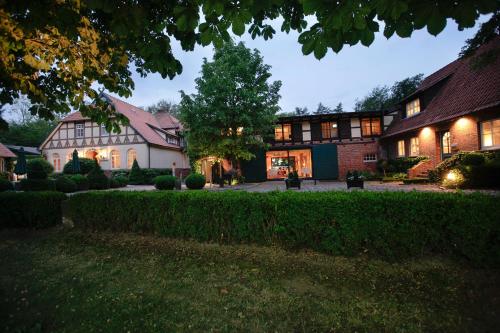
A converted farmhouse beside a tranquil pond, Zur Kloster-Mühle keeps just seventeen rooms where bottles of wine and Sekt await on arrival. Mornings begin with a lavish breakfast buffet; afternoons might drift between the garden tennis court and a wellness suite fitted with a whirlpool. The setting suits travelers seeking rural retreat within reach of Bremen's urban draw.
Where to Eat

Michelin Selected
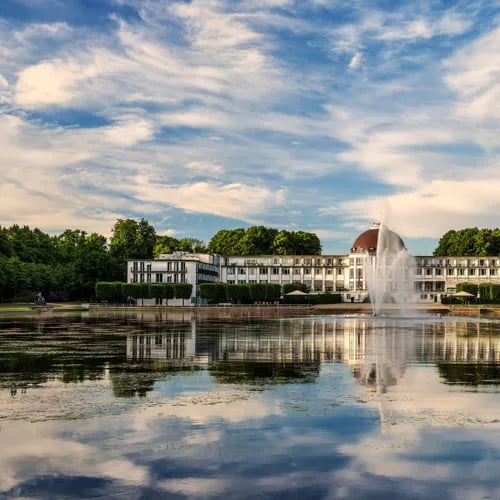
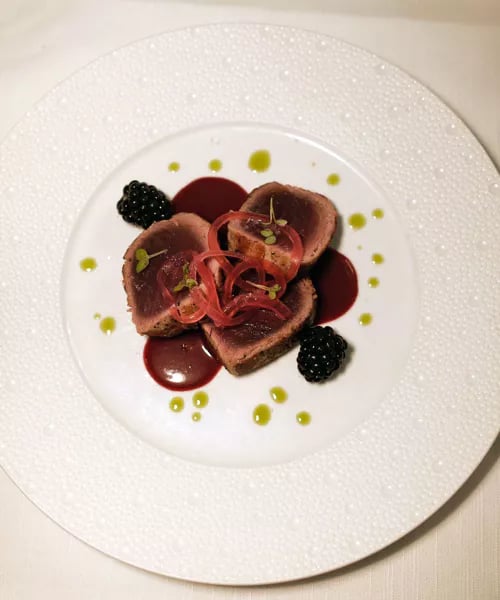
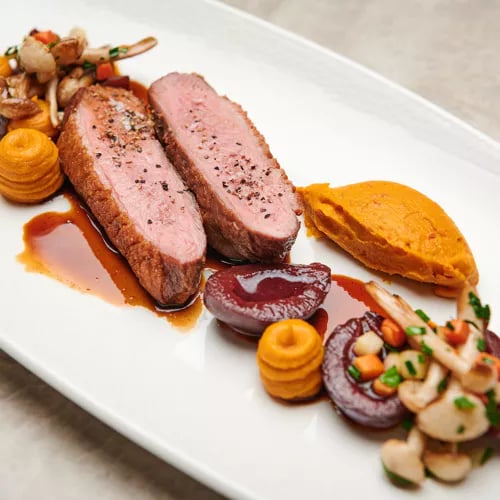
An elegant conservatory at Parkhotel Bremen frames views of Bürgerpark and Hollersee lake, setting the stage for chef Frank Seyfried's contemporary interpretations of classic cuisine. Guests compose their own three- to six-course progression from an enticing selection, guided by attentive service. Seyfried, who honed his craft at Gotthardt's in Koblenz, delivers refined plates that reward leisurely dining.

Michelin Selected
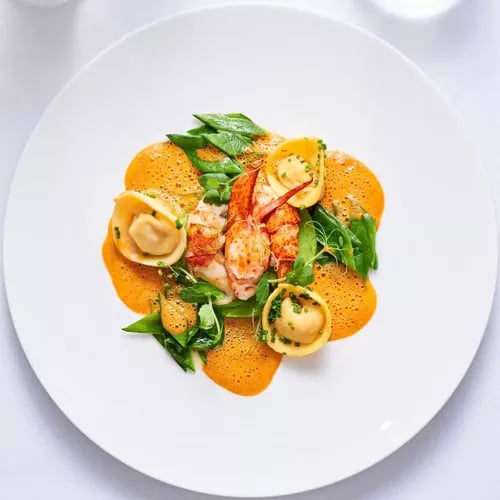
Behind an unassuming Bremen façade, a sunlit winter garden and secluded courtyard await diners seeking refined Italian cooking. The kitchen demonstrates particular mastery with pasta, each dish built on rigorously sourced ingredients and classical technique. Service strikes a warm, unhurried tone, with the chef himself circulating among tables—a gesture that reflects the personal conviction driving this elegant address.

Michelin Selected
A stately villa in Bremen's Bürgerpark provides the setting for this French-inspired brasserie, where high stuccoed ceilings, hardwood floors, and striking chandeliers frame an elegant dining room. The kitchen delivers classic preparations—bouillabaisse rich with saffron, beef bourguignon with proper depth—executed with brasserie confidence. Experienced service and a gorgeous wooden staircase in the reception complete the refined atmosphere.

Michelin Selected
Dark wood panelling and designer chairs in burgundy and brown set a refined tone at this Italian table within the Atlantic Grand Hotel. The kitchen delivers classic dishes with contemporary inflections alongside German staples like schnitzel, served on custom crockery crafted locally in Bremen. Summer draws diners to the courtyard garden; winter transforms the space with an Alpine-style hut for seasonal warmth.

Michelin Selected
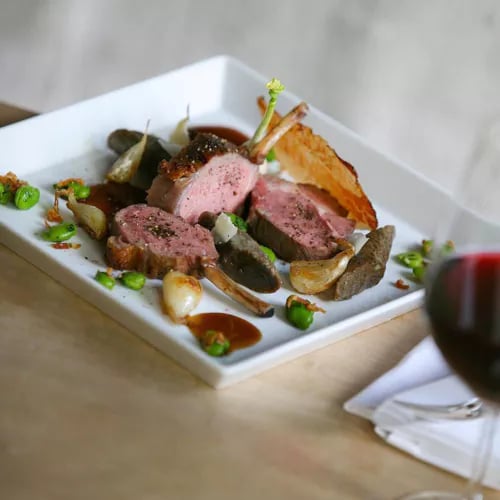
Behind the handsome façade of a patrician house in Verden, chef Wolfgang Pade runs an intimate operation governed by seasonal rhythms. The menu shifts daily according to what regional producers deliver, ensuring nothing stale ever reaches the table. With only two seatings each evening—at 5:45pm and 8:15pm—reservations prove essential. A magnificent garden terrace rewards those who secure a spot.
Frequently Asked Questions
Which Bremen neighborhood offers the best dining options?
+
Das Viertel, particularly around Ostertorsteinweg, concentrates the city's most interesting independent restaurants, from modern German kitchens to international cuisines. The Schnoor quarter suits intimate dinners in historic settings, while Schlachte along the Weser provides waterfront terraces.
What traditional Bremen dishes should visitors try?
+
Kohl und Pinkel — a hearty kale stew with smoked sausages — appears on menus from November through February. Bremer Knipp, a grain-based breakfast meat, remains a local staple. The city's bakeries serve Klaben, a traditional fruit bread, particularly during the winter holiday season.
Is Bremen walkable for visitors?
+
The historic center covers a remarkably compact area. The Marktplatz, Schnoor, Böttcherstraße, and Schlachte waterfront all sit within a fifteen-minute walk of each other. Trams efficiently connect outlying neighborhoods like the Viertel and the emerging Überseestadt district.





Bremen
Bremen's compact Altstadt unfolds around the UNESCO-listed Town Hall and Roland statue, where narrow medieval lanes give way to the Schnoor quarter — a tangle of 15th-century fishermen's cottages now housing independent boutiques and candlelit restaurants. The Weser riverfront anchors the Schlachte promenade, a former harbor transformed into a stretch of beer gardens and seasonal terraces where locals gather on summer evenings.
The city's culinary identity draws from both its maritime trading past and North German farmland traditions. Expect Bremer Knipp at breakfast tables, smoked eel from the Weser, and Kohl und Pinkel during winter months. The Viertel neighborhood east of the center concentrates the city's independent coffee roasters and natural wine bars, while the converted warehouses of Überseestadt host a new generation of contemporary restaurants.