An 18th-century brick storehouse reborn as a 16-room boutique retreat, Seesteg occupies prime beachfront on Norderney's western shore, its windows framing North Sea sunsets. The heated infinity pool appears to merge with the horizon, while the on-site spa and Michelin-starred restaurant complete an intimate package suited to couples and wellness seekers craving refined isolation.
Explore East Frisian Islands
Where to Stay
A Wilhelminian villa from 1884 anchors this 20-room retreat on Norderney's western shore, where minimalist interiors frame views across the North Sea. The spa draws on Nordic traditions with Finnish and bio-saunas, while chef Nelson Müller's Müllers auf Norderney delivers refined comfort food rooted in home cooking. Ideal for design-conscious travelers seeking island quietude without sacrificing culinary sophistication.
This intimate fourteen-room retreat on Langeoog island caters exclusively to adults seeking Nordic-inspired tranquility. Clean Scandinavian lines meet Frisian warmth throughout the interiors, while an indoor pool and sauna provide refuge after walks along the nearby beach—widely considered the island's finest stretch of sand. Thoughtful touches extend to complimentary mini-bars, and staff deliver attentive service without formality.
Where to Eat
Chef Markus Kebschull earned his Michelin star at this Norderney address housed in an 18th-century building that once stored pier boards against North Sea storms. His cooking roots classical technique in local produce—Helgoland lobster bisque paired with spring roll and melon exemplifies the approach. Floor-to-ceiling windows and an open kitchen frame the white sand beach beyond, while the seaside terrace remains the sought-after perch.
Chef-owner Hilko Uphoffis, who honed his craft at the acclaimed Seesteg, brings classically French cooking with contemporary touches to this luminous dining room beside Michels Thalasso Hotel Nordseehaus. His North Sea ling, finished in nut butter and paired with lobster ravioli, captures the island's maritime character. The pared-down modern interior opens onto a terrace where partner Giulia Casto orchestrates unhurried service.
Unobstructed North Sea views define the setting at Müllers auf Norderney, where Nelson Müller's kitchen team delivers contemporary cooking with a soul food sensibility. The approach favors flavor and quality ingredients over complication, resulting in dishes that satisfy without pretense. A modern minimalist dining room opens onto a terrace for warmer months, making this an appealing stop on the East Frisian Islands.
Inside the New Wave hotel, Oktopussy pairs a sleek maritime-inspired dining room with cooking that anchors itself in regional German ingredients while casting a wider net—think Japanese-style grilled wild sea bass. The signature set menu comes in both classic and vegetarian iterations. Summer reveals a secluded courtyard terrace, and from May the rooftop bar draws a cocktail crowd. Service stays cordial and unhurried throughout.
Dike views from the terrace set the scene at Danzer's, where international and regional cooking converge in a contemporary dining room that balances sleek design with genuine warmth. The kitchen's fillet of sea bass, wrapped in bacon butter and paired with wok-fried savoy cabbage, captures the restaurant's confident approach—polished technique applied to honest ingredients. A Michelin Plate holder suited to relaxed yet refined island dining.
What to Do
Perched above Norderney's white sand beach, Seesteg Spa frames the Wadden Sea through floor-to-ceiling glass. A Finnish sauna offers front-row views of the UNESCO-listed national park, while an adjacent jacuzzi provides gentler warmth before guests take to the 20-metre infinity pool on the open terrace. Treatments here play on the restorative rhythm of the tides—calm, then invigorating, always with the horizon in sight.
Frequently Asked Questions
Which East Frisian Island is best for a wellness retreat?
+
Norderney and Borkum have the strongest wellness infrastructure, both drawing on over a century of Kurbad (spa cure) tradition. Norderney's bade:haus combines modern thalassotherapy with historic bathhouse architecture, while Borkum's facilities emphasize the island's designation as a high-sea climate health resort with therapeutic North Sea air.
Are the East Frisian Islands car-free?
+
Most islands restrict or prohibit private vehicles. Juist and Spiekeroog are entirely car-free — transport happens by horse-drawn carriage, bicycle, or on foot. Langeoog and Wangerooge similarly ban cars. Borkum and Norderney permit limited vehicle access but prioritize pedestrians and cyclists in village centers.
When is the best season to visit the East Frisian Islands?
+
Summer months from June through August offer the warmest weather for beach activities and Wadden Sea walks at low tide. Spring and autumn appeal to birdwatchers during migration seasons. Winter transforms the islands into quiet retreats, particularly suited to spa visits and atmospheric walks along empty beaches, though some seasonal businesses close.
Nearby Destinations
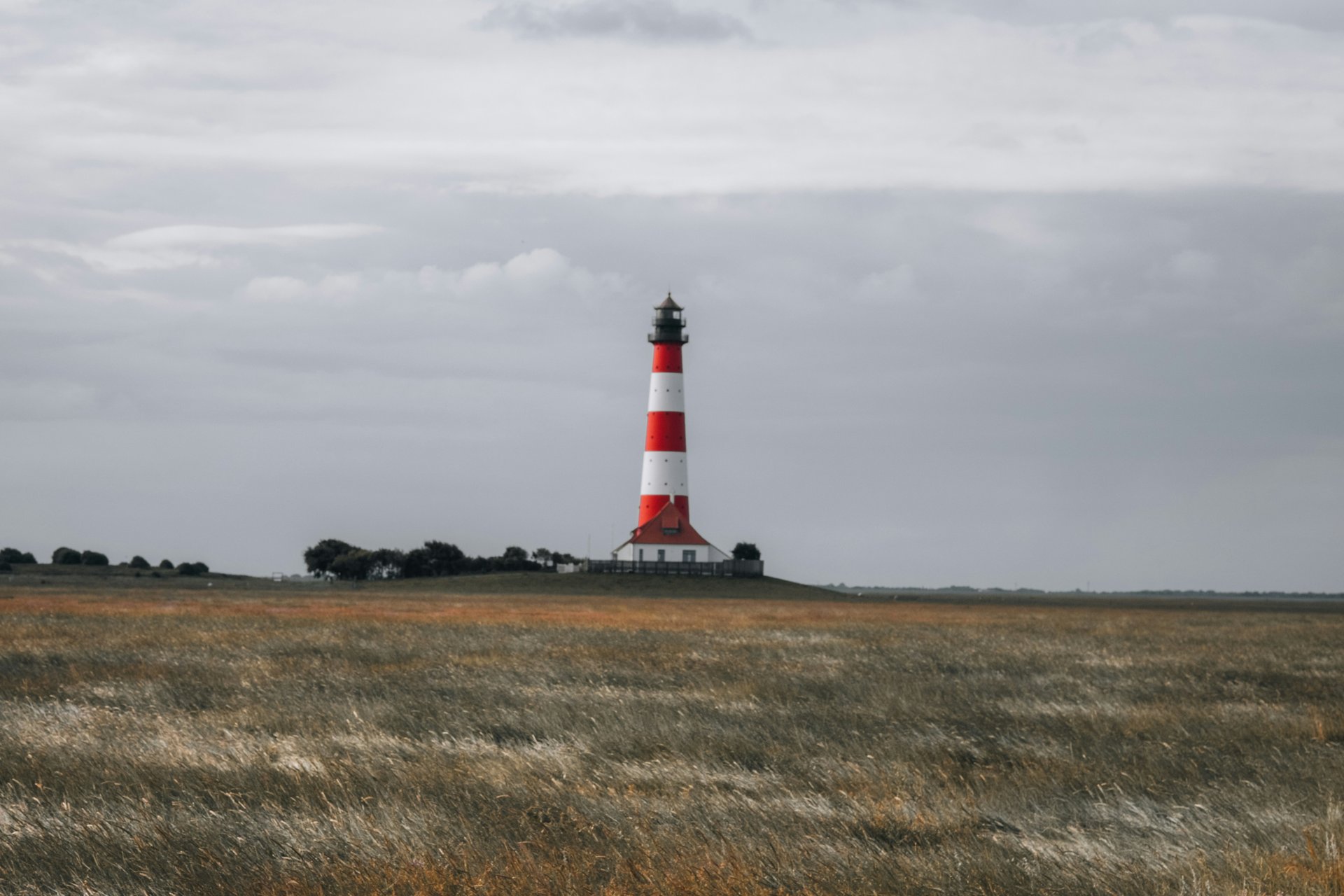
Explore GermanyThe East Frisian Islands form an archipelago of seven inhabited barrier islands stretching along Lower Saxony's North Sea coast. Each island maintains a distinct character: Borkum, the largest, operates year-round with a Victorian-era spa tradition; Norderney balances wellness heritage with contemporary design; car-free Juist enforces a slower pace where horse-drawn carriages serve as taxis. The tidal flats between islands, part of the UNESCO-listed Wadden Sea, create an ecosystem where seals rest on sandbanks and migratory birds number in the millions.
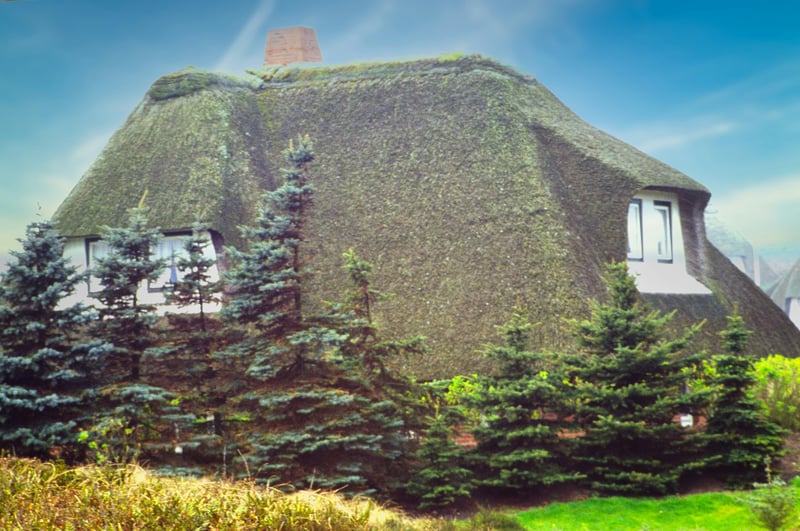
Island accommodation ranges from thatched-roof Frisian farmhouses converted into intimate guesthouses to purpose-built thalassotherapy centers drawing on centuries of North Sea cure traditions. Dining leans heavily on the catch — Krabben (brown shrimp) appear in everything from salads to the iconic Krabbenbrot, while smoked eel remains a regional specialty. The islands' strict building codes preserve low-rise streetscapes, meaning even larger properties integrate into villages where the scent of salt air and Sanddorn (sea buckthorn) defines the atmosphere.