


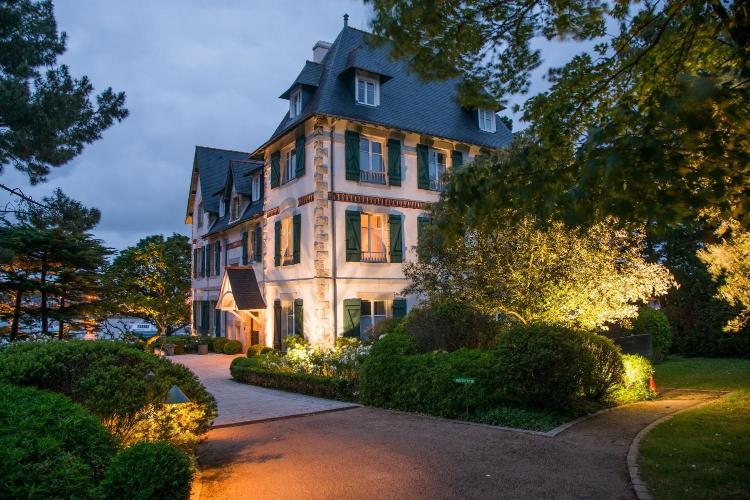
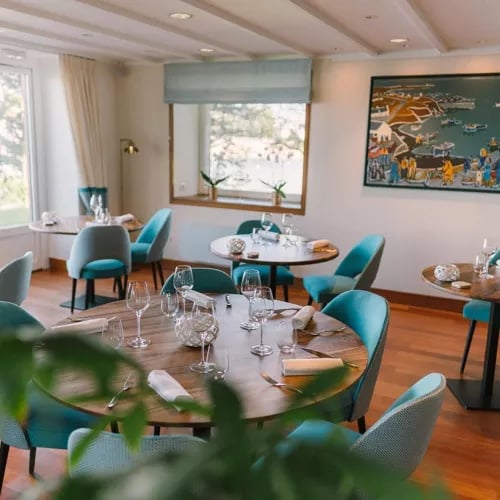
A handsome early 20th-century villa perched above the Odet estuary, Villa Tri Men rewards guests with gardens that cascade toward the water—ideal for quiet afternoons with a book. Its 19 rooms embrace elegant minimalism, while the Michelin-starred restaurant showcases Breton seafood brightened by garden herbs. Dogs are welcome to roam the grounds, making it a refined choice for travelers with four-legged companions.
Quimper Travel Guide: Best Hotels, Restaurants & Experiences 

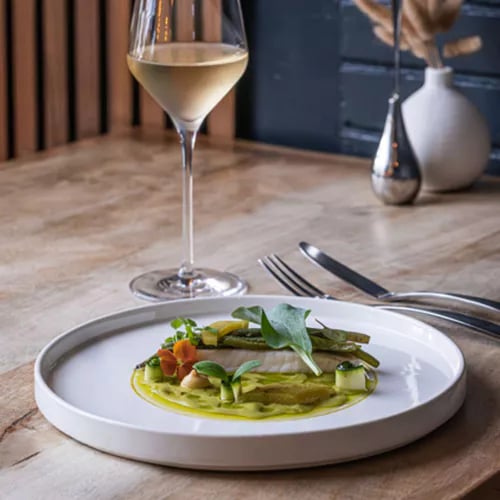
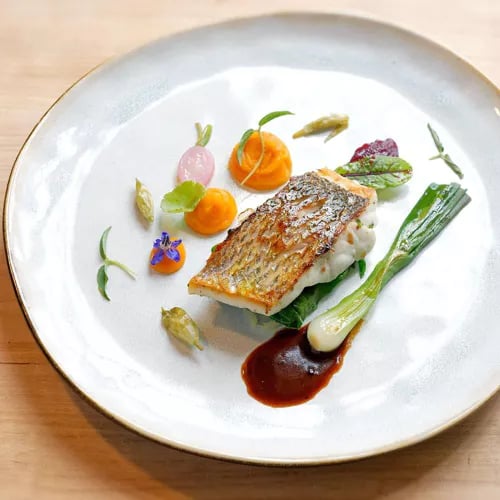
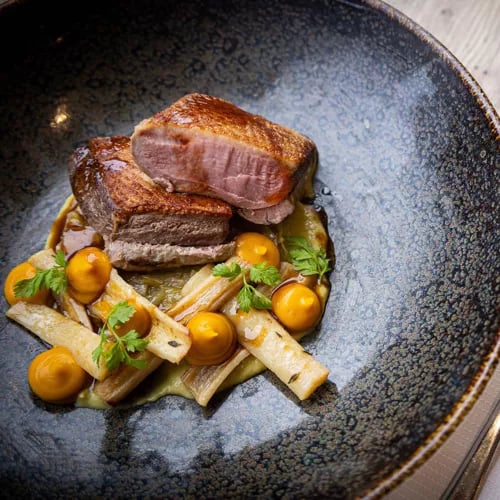
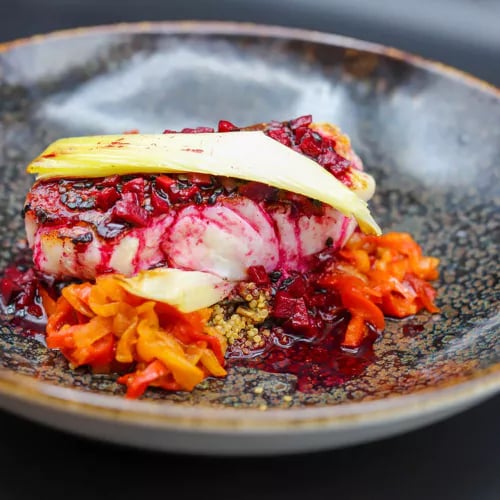
Explore Quimper
Hotels (2)
Restaurants (10)
Where to Stay

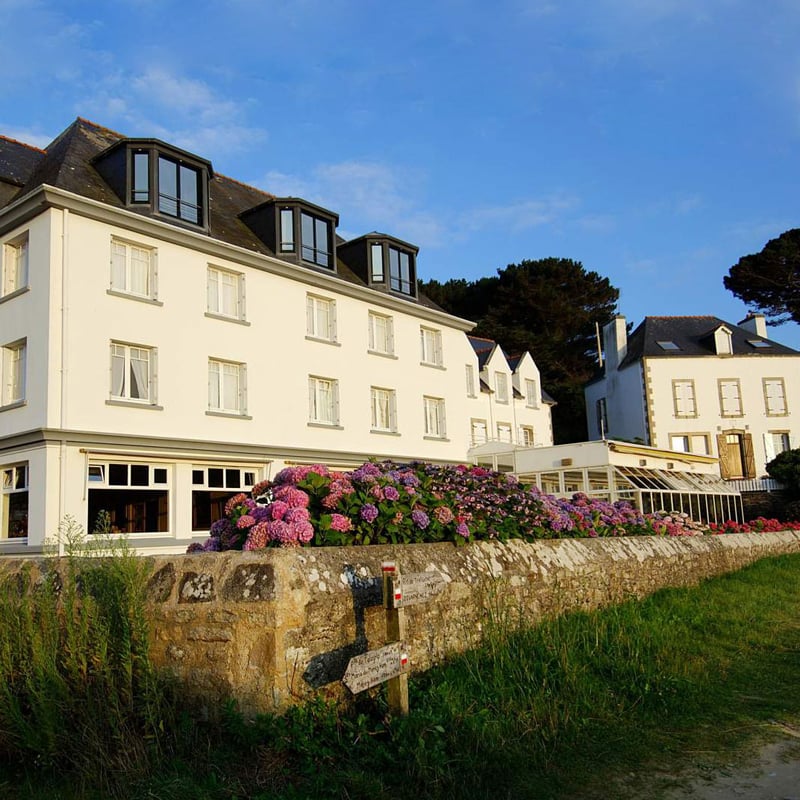
A Brittany coastline institution since 1895, this family-run retreat occupies a secluded Atlantic cove near Quimper. Nineteen rooms dressed in crisp whites and coastal blues frame either sea or garden vistas. The restaurant showcases regional seafood through bay windows opening onto dual terraces, while a spa featuring sauna, hammam, and outdoor hot tubs draws on local Breton botanicals for its treatments.
Where to Eat

★ Michelin
A fifteenth-century mill on the banks of the Aven earned Finistère's first Michelin star in 1933, and the magic endures. Chef Sébastien Martinez honors Breton terroir through buckwheat, buttermilk, and Plougastel strawberries, while spider crab, langoustine, and lobster arrive in refined preparations with characterful sauces. The flower-laden riverside terrace completes an essential pilgrimage for serious gastronomes exploring Brittany.

★ Michelin
Frédérique and Lionel Hénaff's Michelin-starred table anchors its inventive cuisine in Brittany's finest raw materials—scallops from Morlaix Bay, local abalone, and an abundance of foraged herbs and flowers. The chef's nature-driven approach favors light, siphoned sauces that amplify rather than mask, while counter seats facing the open kitchen offer front-row access to the creative process. Named for wild garlic that heralds spring, Allium delivers both botanical poetry and gastronomic precision.

★ Michelin
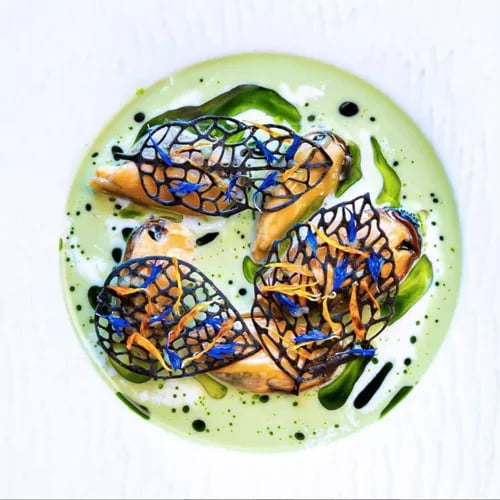
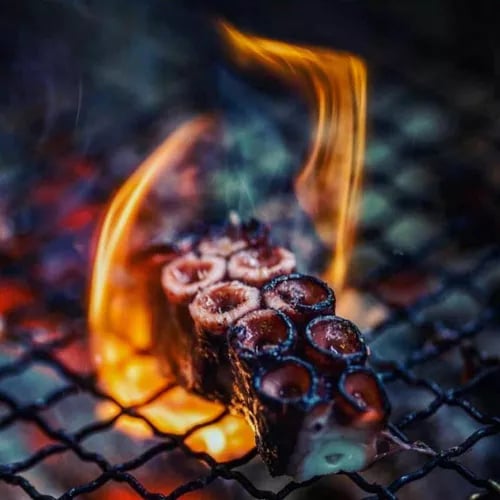
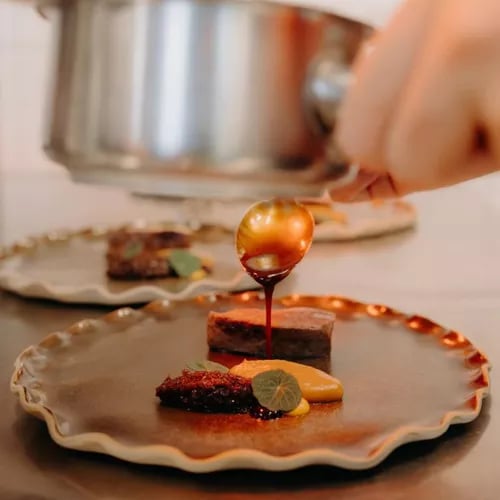
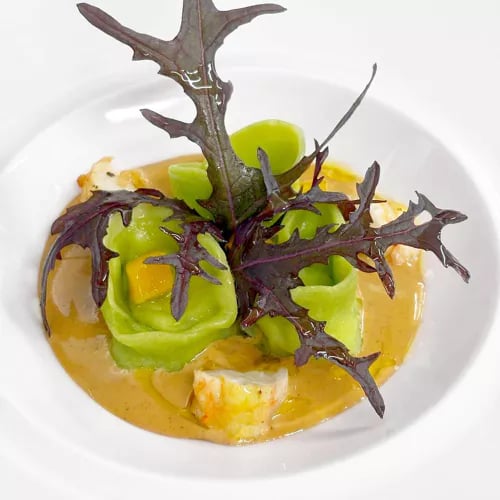
Perched on the Odet estuary in a handsome villa once home to a Breton admiral, this one-Michelin-starred table commands views across the water to pine-fringed shores. The kitchen champions organic regional producers, weaving Breton seafood with distant spices and garden herbs. Langoustine ravioles in concentrated shellfish stock have earned devoted following—a refined destination for those exploring the Quimper coastline.

★ Michelin
Near the windswept Pointe de la Torche, chef Jules Rolland—heir to a Michelin-starred lineage—runs this one-star seafood table with quiet confidence. Prawns, John Dory, and langoustine royale arrive impeccably timed, their natural sweetness amplified by intense, deeply reduced jus. A signature preparation pairs langoustine with Maltese butter and satay, the textural contrasts deliberate and precise. Roxane's team keeps the atmosphere warm, unhurried.

Michelin Selected
Near the Eckmühl Lighthouse, chef Corentin Ogor and partner Klervi Tanniou bring Breton roots to refined modern cooking in a sleek grey-and-gold dining room. Each plate centers on a single impeccable ingredient—Finistère scallops with butternut squash and roasted almond emulsion, line-caught fish with spinach pesto—while evening service ventures into more ambitious territory. Tanniou's warm hospitality completes the experience.

Michelin Selected
Chef Gaël Ruscart commands the kitchen at this Michelin-recognized seafood address near Quimper, where Atlantic bounty receives inventive treatment. Langoustines arrive alongside flaked spider crab brightened with smoked haddock and lime cream, while scallops pair with parsnip mousseline and candied lemon in dishes that display genuine technical mastery. The elegant dining room matches the refined plates emerging from the kitchen.

Michelin Selected
Chef Kevin Gourret, who honed his craft at Le Goyen in Audierne, brings a distinctive fusion sensibility to this quayside dining room overlooking the River Odet. His Michelin Plate-recognized cooking draws on Breton seaweed, langoustine, and buckwheat, then pivots toward ponzu, gomasio, and ginger. The evening tasting menu reveals his technical command—particularly in sauces and jus—while desserts like vanilla-chestnut-yuzu show equal finesse.

Michelin Selected
Perched above Douarnenez bay in a nineteenth-century stone villa, Ty Mad—Breton for 'good house'—delivers modern cuisine rooted in organic sourcing and market rhythms. The kitchen showcases regional character through dishes like black Guengat pork and buckwheat pie layered with aubergines and sheep's cheese. A dedicated vegan menu reflects the same locavore philosophy, making this an essential coastal table.

Bib Gourmand
Venetian chef Matteo Vianello, shaped by years alongside Alain Ducasse and Jean-François Piège, runs this Bib Gourmand bistro named for the Venetian island famed for its purple artichokes. The compact contemporary dining room showcases his dual heritage: ravioles of snails arrive with sweet garlic stock and roast buckwheat, a dish that captures Breton terroir through an unmistakably Italian lens. The tiramisu alone justifies the detour.

Bib Gourmand
Chef Gilles Chevalier runs both kitchen and cellar at this stone inn, pairing traditional Breton recipes with bottles from his exceptional collection. The dining room recalls a rustic gentlemen's club—exposed stone, elegant furnishings, and a menu built around local producers. Michelin's Bib Gourmand recognizes the generous portions and refined technique, making Ti-Coz a rare find for flavor-driven regional cooking in Quimper.
Frequently Asked Questions
What is the best area to stay in Quimper?
+
The historic center around Place Saint-Corentin offers the most atmospheric setting, with accommodation in converted townhouses steps from the cathedral, restaurants, and boutiques. The Locmaria quarter across the river provides a quieter alternative with pottery workshops and riverside walks.
What local dishes should visitors try in Quimper?
+
Galettes de sarrasin (buckwheat crêpes) filled with local ingredients remain essential, best accompanied by bolées of dry cider. Seafood dominates — look for Glénan langoustines and Bélon oysters. For dessert, kouign-amann from a traditional bakery and far breton aux pruneaux showcase Breton butter at its finest.
When is the Festival de Cornouaille held?
+
The Festival de Cornouaille takes place annually during the third week of July, transforming the city with Celtic music, traditional Breton dance, and costume parades. The event draws performers and visitors from across Brittany and the Celtic nations, filling restaurants and hotels well in advance.
Nearby Destinations
Explore France





Quimper
The medieval capital of Cornouaille sits at the confluence of the Odet and Steir rivers, its half-timbered houses leaning over cobbled lanes that wind toward the Gothic spires of Saint-Corentin cathedral. The old town clusters around Place au Beurre — once the butter market, now lined with crêperies serving galettes de sarrasin with local cider. Across the Odet, the Locmaria quarter preserves the city's faïencerie tradition, with workshops producing the distinctive blue-and-yellow pottery that has defined Quimper craftsmanship since the 17th century.
The dining scene draws from both land and sea: Breton lobster from the Glénan archipelago, pig raised on Finistère farms, butter churned in neighboring dairies. Restaurants along the quays serve plateaux de fruits de mer while more intimate tables in the old town explore modern interpretations of kouign-amann and far breton. Hotels here tend toward converted manor houses and riverside properties, their interiors reflecting the region's seafaring heritage and Celtic roots.