


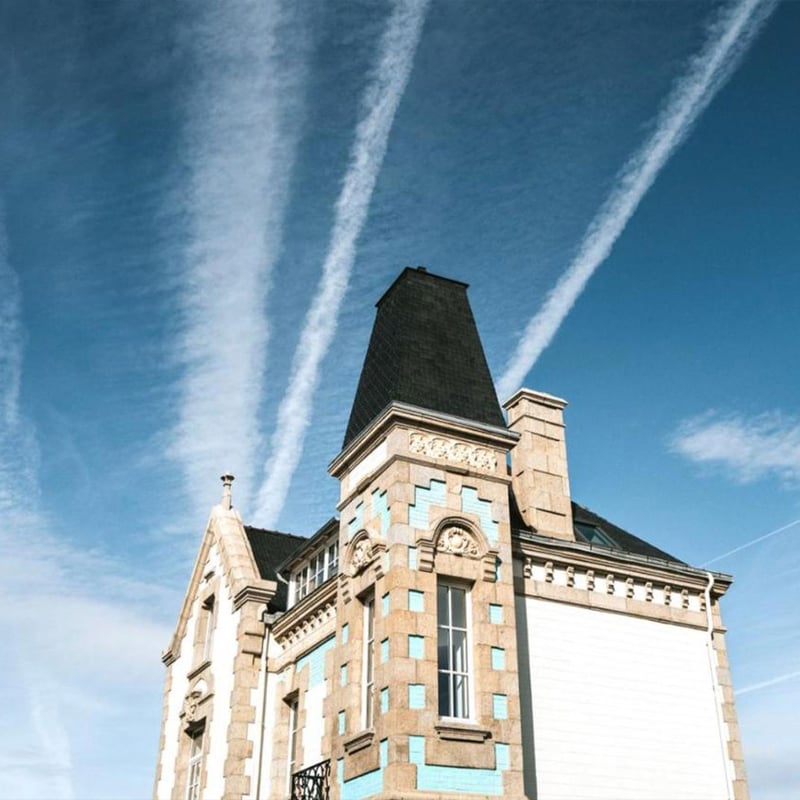
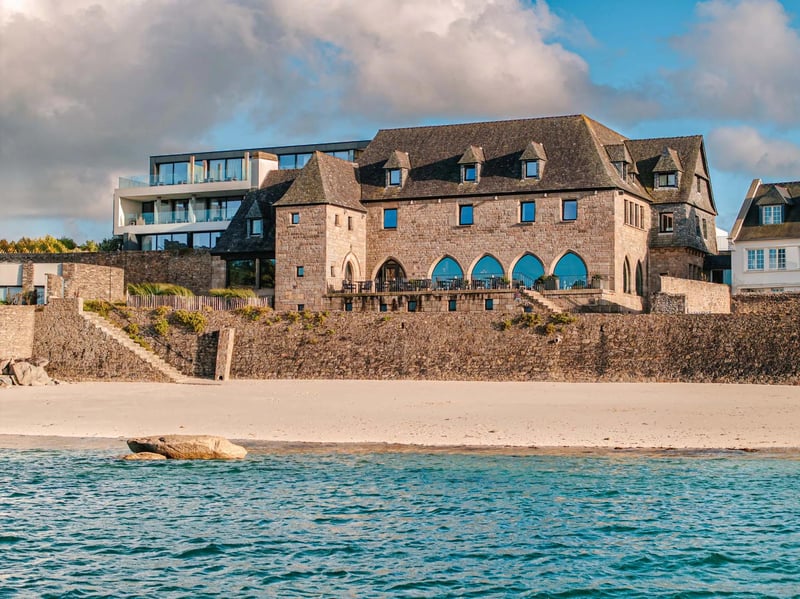
A distinguished old house on Finistère's coast, La Brise has been reimagined with a sleek contemporary interior while preserving its historic character. The intimate scale—just four bedrooms and two independent apartments—ensures a personal atmosphere rare in boutique hospitality. A private garden offers respite steps from Roscoff's fishing harbor, ideal for travelers seeking quiet refinement over seaside spectacle.
Roscoff & Île de Batz Travel Guide: Best Hotels, Restaurants & Experiences 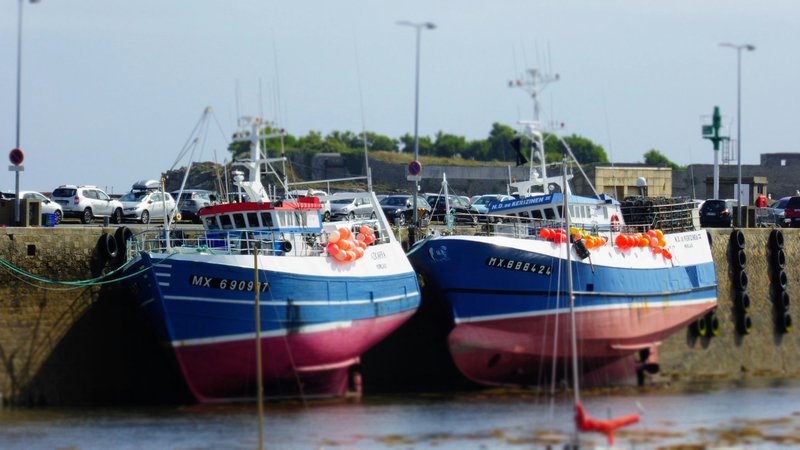
Explore Roscoff
Hotels (1)
Restaurants (6)
Spa (1)
Where to Stay
Where to Eat

★ Michelin· Relais & Châteaux
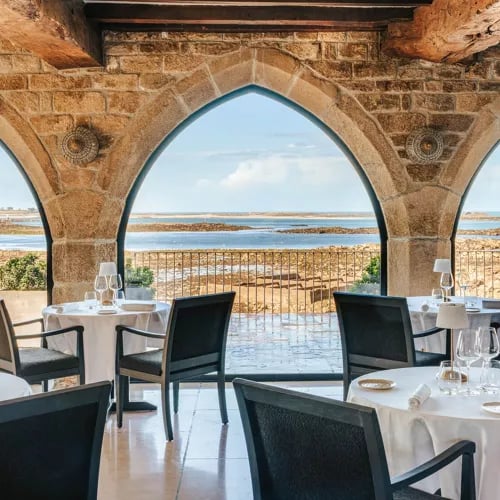
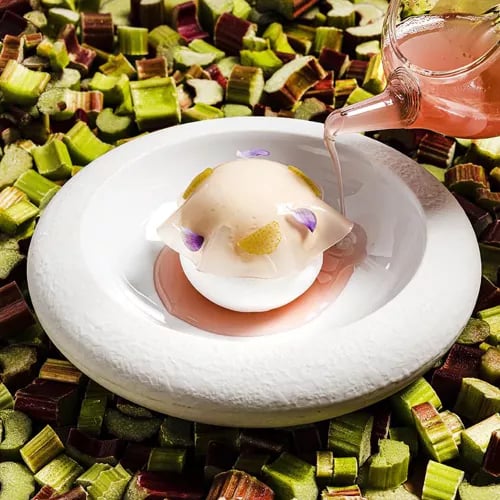
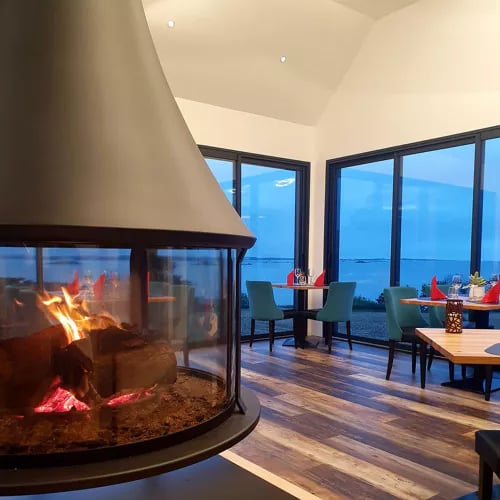
Through arched windows framing the bay and Île de Batz, chef Loïc Le Bail presents one-starred seafood cuisine where Breton terroir meets Japanese precision—an approach shaped by his Japanese wife and sous-chef. The catch arrives directly from local fishermen into a panoramic dining room warmed by a stone fireplace, creating an atmosphere suited to contemplative seaside evenings and celebrations of the region's exceptional marine larder.

★ Michelin
A seventeenth-century stone building that once housed religious cabinet-makers now shelters chef Jérémie Le Calvez's one-starred table in Saint-Pol-de-Léon. His cooking draws on Brittany's finest seasonal produce with precision and invention, served in a dining room of exposed stone overlooking a quiet garden. Guestrooms allow visitors to linger and explore the surrounding coastline at leisure.

★ Michelin
Overlooking the Bay of Morlaix from this storied Finistère address once helmed by Patrick Jeffroy, chef Nicolas Carro brings polish acquired at La Table d'Olivier Nasti back to his native Brittany. His one-starred kitchen draws on shellfish landed by small boats, lamb from the Monts d'Arrée, and garden vegetables, composing dishes of refined texture and exacting seasoning that reward the short drive from Roscoff.

Bib Gourmand
A former signal station perched at Trégor's tip, La Maison de Kerdiès commands sweeping views across the Bay of Morlaix through floor-to-ceiling windows. The kitchen earns its Bib Gourmand through honest cooking that moves fluidly between Breton regional specialties and French classics. This is unhurried coastal dining at fair prices—ideal for travelers exploring the rugged northern Finistère coastline.

Bib Gourmand
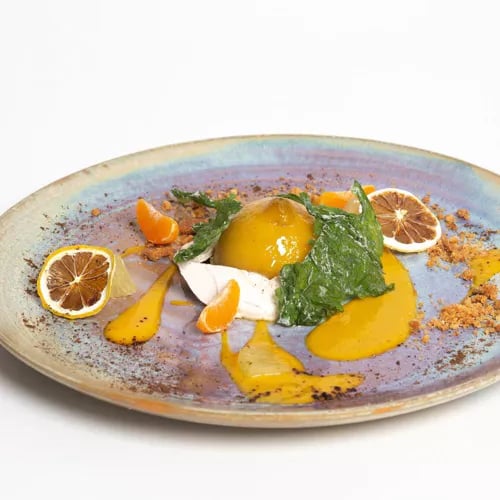
A short drive from Roscoff, this Bib Gourmand address in Morlaix's historic center rewards the detour. The chef, trained in starred kitchens, constructs generous plates where Breton terroir meets Asian accents—think pollack fillet paired with cauliflower mousseline and a kumquat-spiked hollandaise. The half-timbered surroundings and confident cooking make this an essential bistronomic stop on the Finistère coast.

Michelin Selected
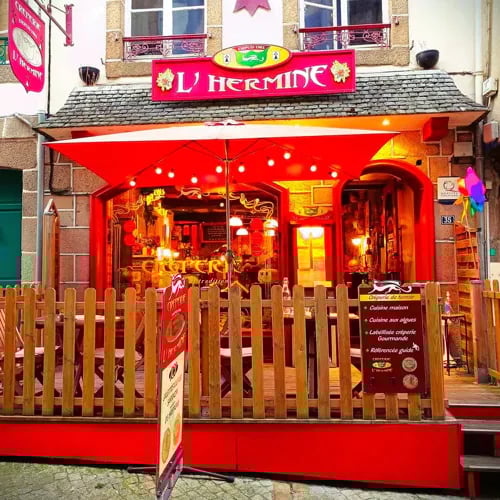
Weathered wooden beams and polished tables set the scene at this Morlaix crêperie, where farm-to-table principles guide a menu of some fifty buckwheat galettes and sweet crêpes. The pedestrian-quarter setting adds charm, while rustic décor—vintage objects, honest materials—reinforces the wholesome approach. A worthwhile detour from Roscoff for travelers seeking authentic Breton fare in unpretentious surroundings.
What to Do

Relais & Châteaux
Thalion's marine expertise shapes every treatment in this 200-square-meter wellness retreat within the Brittany & Spa hotel. Algae harvested from local Breton coasts wraps the body in mineral-rich cocoons, while balneotherapy pools and a hammam draw on the sea's restorative properties. The herbal tea room extends the ritual, offering a gentle return from deep relaxation before stepping back onto Roscoff's granite shores.
Frequently Asked Questions
How do I reach Île de Batz from Roscoff?
+
Ferries depart from the old port every thirty minutes during summer and roughly hourly in low season. The crossing takes about fifteen minutes, and tickets can be purchased at the harbour. The island is small enough to explore entirely on foot.
What is the best season to visit Roscoff?
+
Late spring through early autumn offers the mildest weather and full ferry schedules to Île de Batz. July and August bring the warmest temperatures but also peak visitor numbers. September provides calmer conditions while the Gulf Stream keeps temperatures pleasant.
What makes Roscoff historically significant?
+
The town prospered through maritime trade from the sixteenth century onward, evident in its ornate merchants' houses. It later became famous for the Johnnies, seasonal workers who exported pink onions to Britain by bicycle. In 1899, Roscoff pioneered France's first thalassotherapy centre, establishing its medical and wellness reputation.
Nearby Destinations
Explore France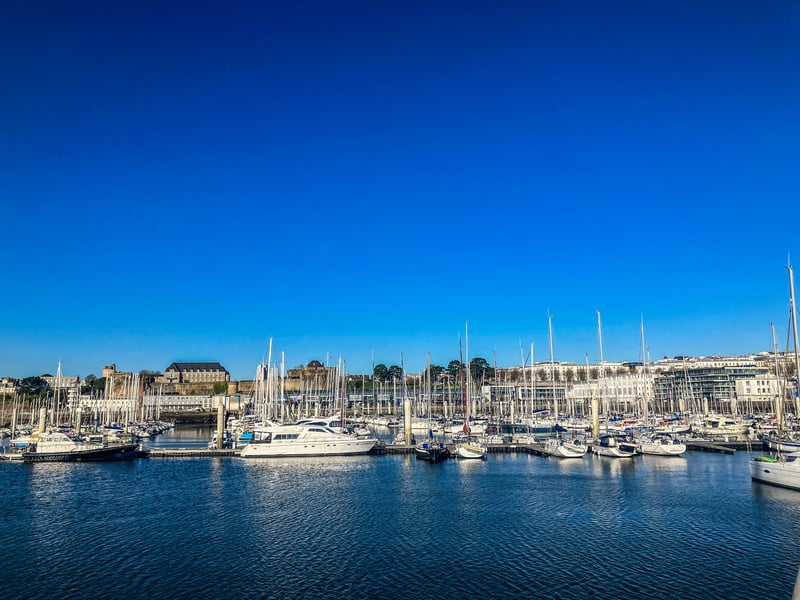




Roscoff
Roscoff occupies a granite peninsula on Finistère's northern coast, its Renaissance merchants' houses and sixteenth-century church tower facing the English Channel. The old port retains its working character — fishermen still land catches at the Vieux Port, and the ferry to Plymouth departs from the deep-water terminal. Rue Gambetta and Place Lacaze-Duthiers form the commercial spine, lined with grey stone façades and the occasional crêperie tucked into a former ship chandler's premises.
Across the fifteen-minute boat crossing lies Île de Batz, a car-free island where the Georges Delaselle exotic garden thrives in the Gulf Stream's mild climate. The island's single village clusters around a small harbour, its whitewashed cottages facing the lighthouse that marks the western approach. Back on the mainland, the Johnnies — Roscoff's historic onion sellers who once cycled through Britain — are commemorated in a museum housed in an old farm. The thalassotherapy tradition dates to 1899, when the town established France's first seawater therapy centre, a legacy that shapes the local hospitality industry to this day.