A 16th-century château reimagined with bold black-and-gold architecture, Domaine du Liziec balances heritage stonework with contemporary design. Seventy-one rooms, finished in wood and stone, overlook forest and gardens; an Ella Baché spa offers Turkish bath and sauna; a gourmet restaurant anchors the dining experience. Outside, orchards, herb gardens, and walking trails thread through the estate, appealing to travelers seeking both historic character and modern wellness.
Explore Vannes
Where to Stay
Steps from the medieval ramparts, this modern four-storey property delivers Vannes' most polished interiors: pale hardwood, warm lighting, and a restrained palette of white, beige, and deep turquoise. Marble bathrooms feature walk-in rainfall showers and Garnier Thiebaut linens, while the top-floor suite adds steeply pitched ceilings and a two-person Jacuzzi. An on-site spa with sauna completes the offer for travelers seeking proximity to the old town with contemporary comforts.
Where to Eat
Chef Olivier Samson crafts tasting menus that celebrate Celtic terroir within a restored sixteenth-century Breton manor, surrounded by flower gardens and ancient trees. His creative technique highlights local precision—Breton abalone with spinach and pork jus, small-boat sole with asparagus and kumquat, roast pigeon enriched with cocoa—while buckwheat, sea fennel, and buttermilk ground each refined course in regional identity.
Clément Raby and Estelle Mercier have earned a Michelin star for their unconventional approach to modern gastronomy. The couple's "cuisine libre" philosophy manifests in blind tasting menus—dishes revealed only after the first bite, challenging diners to trust their palates without preconception. The relaxed atmosphere contrasts with the precision of each plate, where inventive combinations and technical confidence define every course. A meal here rewards adventurous eaters seeking spontaneity alongside rigor.
Chef Sophie Reignier and pastry chef Julien Noray, who both came to catering later in their careers after meeting at Alan Geaam in Paris, craft a seafood-focused vision of Brittany through precisely sourced ingredients and creative technique. Gravlax of mullet, eel lacquered in pomegranate molasses, and langoustine sautéed in foamy butter with sea fennel showcase their talent for marrying land and sea in dishes that balance pared-back presentation with bold, forthright flavours.
The 17th-century mansion of the Lord of Roscanvec now houses a contemporary dining room where the two Kaczorowski sisters orchestrate impeccable service. Farm-to-table dishes reflect modern palates while honoring regional ingredients, earning a Michelin plate for their execution. The pared-back aesthetic lets the cuisine command attention, and guests seeking to linger can retreat to one of the comfortable guestrooms upstairs.
A Bib Gourmand-awarded address concealed behind Vannes' town hall, its basement dining room pairs exposed stone with industrial metal beams and contemporary lighting. The kitchen delivers robust plates built on generous portions and assertive flavours—maiale tonnato dressed with Parmesan and capers, magret de canard atop whole-grain mustard mash with piquillo coulis. The lunchtime set menu offers striking value for modern bistronomic cooking.
Guillaume Le Bozec, shaped by kitchens including Maison Troisgros, orchestrates a set-menu experience on a quiet Vannes street where local Breton ingredients meet carefully calibrated spice work. His own paintings line the contemporary dining room, watched over by partner Delphine Dugor's polished service. The format rewards curious palates willing to surrender to the chef's modern, produce-driven vision.
Marine and Baptiste Fournier have earned a Michelin Green Star for their commitment to sustainable gastronomy at this city-centre address on a quiet square. The kitchen works closely with local fishermen and farmers, delivering market-driven dishes of considerable polish. Untreated wood floors, vintage porcelain, and soft fabrics create an intimate backdrop, while the natural wine list reinforces the couple's ethical approach. Lunch brings a concise menu-carte; dinner unfolds as a surprise tasting sequence.
Chef Alexandre Juton, trained in France's top kitchens, channels seasonal ingredients into precise, contemporary plates at this Michelin-recommended address. Cuttlefish ravioli layered with Noilly Prat, wild garlic and morels; turbot paired with peas and a striking koji yoghurt sauce—dishes that reflect technique honed in renowned establishments. The dining room features custom mosaics, tapestries drawn from Juton's own sketches, and bespoke furniture, creating an intimate backdrop for his inventive ramen-inspired repertoire.
Arnaud Tavares brings a global palate honed across Switzerland and Thailand to this Vannes address, pairing mackerel tempura with pumpkin purée and kororima seed, or setting roast hake against bouillabaisse foam and sobrasada. Despite the far-flung influences, the kitchen anchors itself in organic Breton vegetables and Lorient market catch, delivering Michelin Plate-calibre cooking at lunch-friendly prices that reward both curiosity and restraint.
This black-fronted bistro delivers exceptional ramen built on Breton terroir: tonkotsu and chicken broths enriched with pork raised on flaxseed and shiitake from Plumergat. The okonomiyaki starter, crowned with local dried bonito, demonstrates the same rigorous craft. Expect masterful Japanese technique applied to first-class regional ingredients, served in a compact dining room that fills quickly—reservations aren't accepted, so arrive early.
Frequently Asked Questions
What neighbourhoods should I stay in when visiting Vannes?
+
The intra-muros (walled town) places you within walking distance of the cathedral, main squares, and best dining. The port area suits those who prefer waterfront views and proximity to boats departing for the Gulf of Morbihan islands. Both areas are compact and easily connected on foot.
When is the best time to visit Vannes?
+
Late spring through early autumn offers the mildest weather and fullest restaurant terraces. The Fêtes Historiques in mid-July transforms the old town with medieval pageantry. Winter brings quieter streets, fresh oysters at peak season, and atmospheric fog rolling in from the gulf.
How do I explore the Gulf of Morbihan from Vannes?
+
Boats depart regularly from the port for the Île-aux-Moines and Île d'Arz, both reachable in under thirty minutes. Longer excursions circle the gulf's scattered islands or stop at the megalithic sites of Gavrinis. The gulf's calm waters also suit kayaking and small-boat sailing.
Nearby Destinations
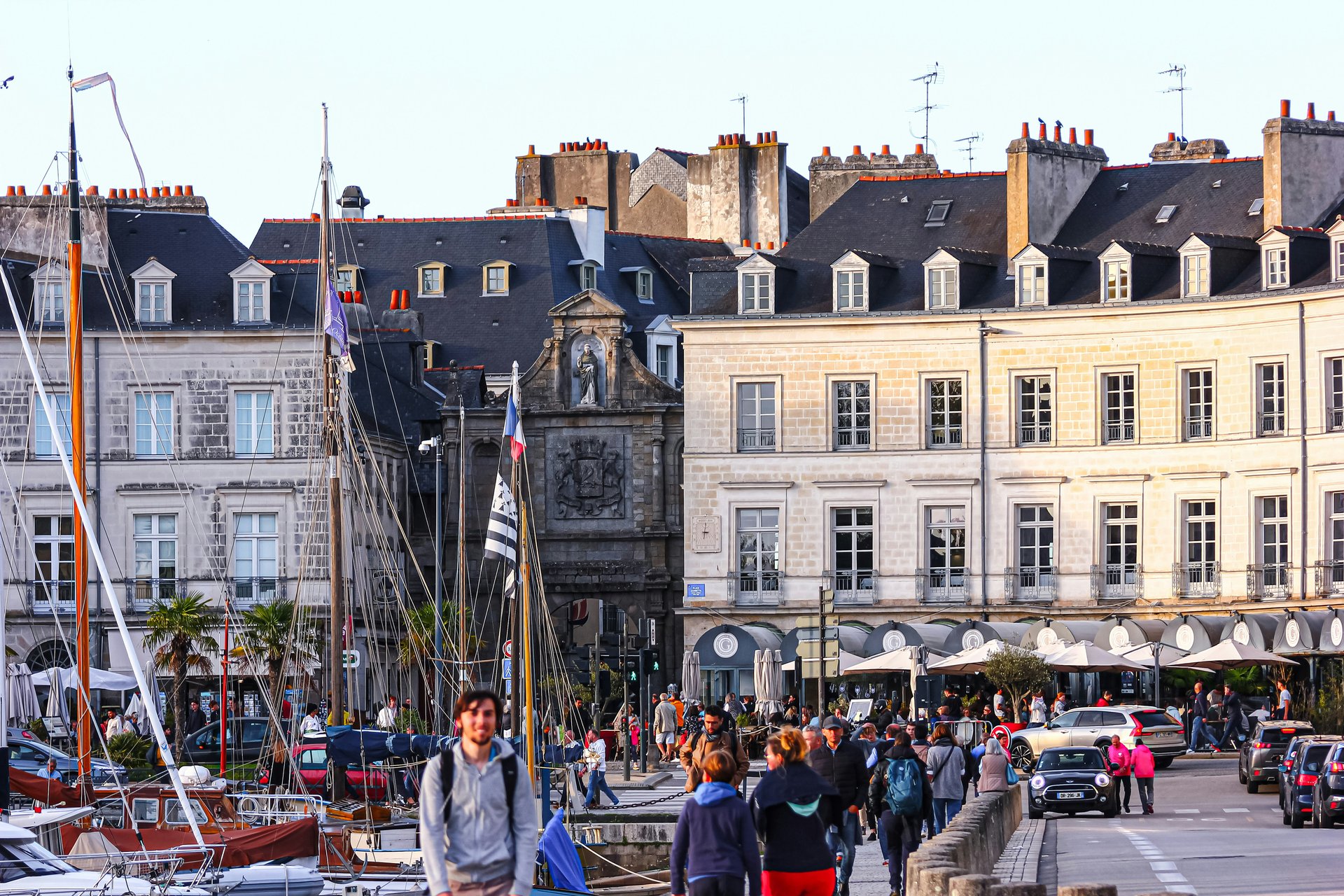
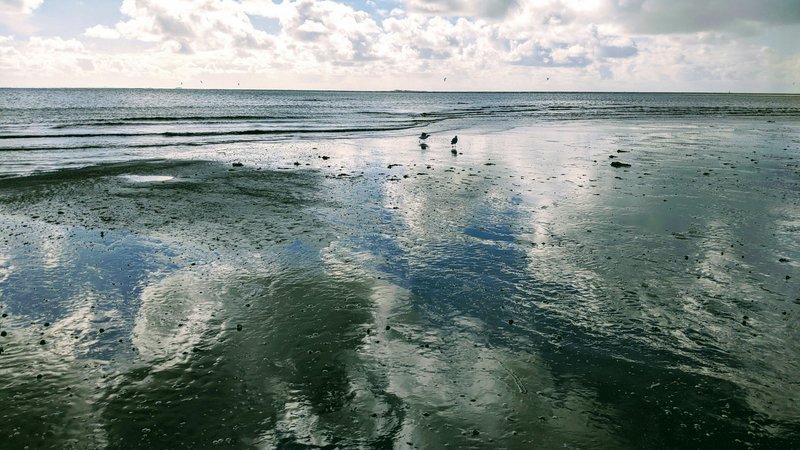
Explore FranceVannes wraps around its medieval core like a stone embrace. The ramparts still stand, half-timbered houses lean into cobbled lanes, and the cathedral of Saint-Pierre anchors the old town with its Romanesque tower. Beyond the walled centre, the port opens onto the Gulf of Morbihan — a sheltered inland sea scattered with islands, where oyster beds mark the shallows and sailing boats drift between the tides.
The city's hotels cluster in two distinct zones: the historic intra-muros, where converted manor houses and centuries-old buildings offer rooms behind carved granite facades, and the waterfront near the port, where contemporary addresses look out over the marina. The dining scene draws on Brittany's coastal larder — langoustines from Quiberon, Morbihan oysters, buckwheat in all its forms — and the best restaurants balance tradition with modern technique. For meals steeped in local heritage, the historic restaurants occupy some of the town's most atmospheric settings: vaulted cellars, timbered dining rooms, and terraces beneath the ramparts.