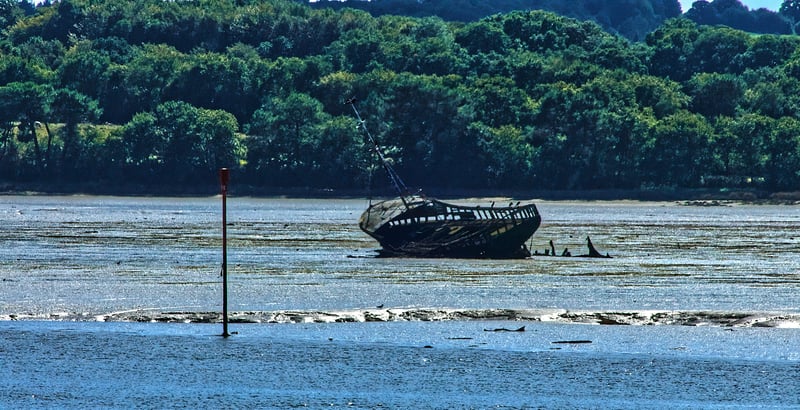
Brittany's first Relais & Châteaux property commands a wooded estate along the Blavet estuary, its 18th-century château and manor surrounded by gardens shaped by a Versailles-trained landscape architect. Accommodations range from restored stables to Le Caprice, a 1930s sailing trawler beached beside the outdoor pool. The Michelin-starred L'Inattendu showcases MOF chef Yann Maget's Breton sole and pigeon beneath a soaring glass roof, while Spa Macha offers a 17-meter heated indoor pool and private couples suite.
Where to Stay
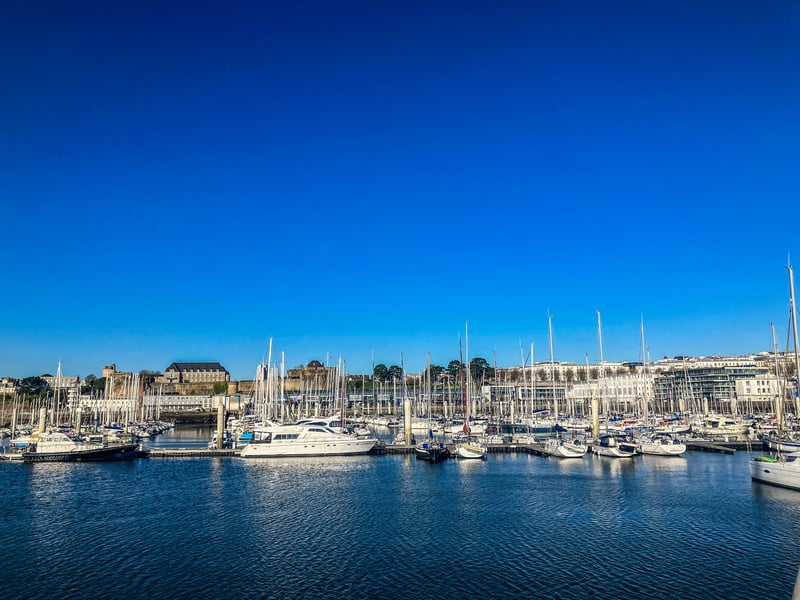
Resembling a sleek white ocean liner anchored between the Gulf of Morbihan and Quiberon Bay, this 113-room thalassotherapy destination channels yacht-club glamour through nautical pastels, floor-to-ceiling glass, and private balconies facing the Atlantic horizon. The 1,200-square-meter spa centers on heated seawater therapies and targeted wellness programs, while Le Safran serves Breton oysters and local catch with a health-conscious edge—ideal for travelers seeking seaside restoration.
Where to Eat
Chef Yann Maget, crowned Meilleur Ouvrier de France in 2023, helms this one-starred table within a 19th-century château surrounded by 120 hectares of woodland, kitchen gardens, and beehives that supply his kitchen. His refined Breton cuisine—squid paired audaciously with pork and sauce charcutière, sea bass with shellfish—draws on local traditions like kari gosse and boudin noir, delivered with technical precision beneath an industrial-chic glass conservatory.
Named for the Breton word meaning sea breeze, this one-Michelin-starred table in Port-Louis showcases the coastal larder with precision. Chefs Camille Lacome and Agathe Richou build aromatic dishes around impeccably fresh seafood, buckwheat, Guémené andouille, and gwell—local fermented milk—while threading Mediterranean notes of olive oil, thyme, and tomato water through each course. A refined destination for regional gastronomy.
Stéphane Cosnier's pedigree—Le Bristol, Taillevent—shapes every plate at this one-starred table within the Lann Roz hotel. His creative cuisine roots itself in Breton terroir while venturing toward exotic accents: open ravioli layered with langoustines and artichokes barigoule, line-caught red mullet paired with shellfish in green curry. The bright, book-lined dining room feels both elegant and warmly convivial, suited to unhurried gastronomic evenings.
Named for the great-grandmother who shaped chef Julien Corderoch's culinary path, this one-starred Lorient address delivers surprise menus rooted in sustainable seafood. Line-caught fish undergoes careful maturing—gilthead bream served as sashimi with wild herb pesto, scallops paired with warm brown shrimp broth and ponzu. The lunchtime formula offers remarkable value, wines stay accessibly priced, and the contemporary dining room keeps the focus squarely on the plate.
Perched in a villa above Port-Navalo, Grand Largue commands sweeping views across the Gulf of Morbihan through its upper-floor dining room. The kitchen delivers precise gastronomic seafood—lobster, line-caught sea bass, pristine shellfish—presented with refined technique. Downstairs, P'tit Zeph offers a breezier bistro counterpoint with pronounced maritime character, ideal for those seeking quality without ceremony.
Chef Charles Moreau brings an unexpected cosmopolitan edge to the Brittany countryside, his training spanning China and Belgium's two-starred Air du Temps. The menu reads like a love letter to Morbihan terroir—buckwheat, oysters, gwell, Guéméné andouille—each ingredient handled with precision and occasional creative flourish, including local whiskey. A concise organic and biodynamic wine list complements the seafood-driven plates.
A short drive from Carnac's megaliths, this family-run inn channels the chef's Auvergne heritage through dishes like crispy pounti with plum and monkfish braised in red wine with artichoke and salsify. The commitment to short supply chains ensures pristine ingredients, while autumn brings a dedicated game menu. The bright, refined dining room and attentive service suit unhurried regional exploration.
Maritime charm pervades this Carnac bistro, where weathered locals and visitors alike gather around tables laden with the day's catch. The kitchen takes a proudly minimalist approach to modern seafood cookery—impeccable fish, pristine shellfish, preparations stripped to essentials. A Michelin Plate holder, La Calypso rewards diners who prize ingredient quality over culinary theatrics, delivering the Morbihan coast on every plate.
Near Lorient's railway station, chef Vincent Seviller delivers a Bib Gourmand-recognized bistronomic experience in a sleek, contemporary dining room. His cooking demonstrates real craft—each plate arrives meticulously composed, balancing bold flavors with visual precision. Lunch follows a casual slate-board format; evenings bring more elaborate constructions. A smart choice for travelers seeking refined modern cuisine without formality.
Chef Damien Le Quillec honors his grandfathers Hyacinthe and Robert through ambitious bistronomic cooking served in a former garage reimagined as a contemporary loft. The Bib Gourmand distinction confirms the kitchen's confident approach to modern French cuisine, with dishes that satisfy both appetite and curiosity. Next door, the casual Numéro 100 bistro extends the same culinary philosophy in relaxed surroundings.
What to Do
The former stables of Domaine de Locguénolé now house Spa Macha, named for the Celtic goddess of horses and femininity. Rough-hewn wood and natural materials honor the building's equestrian past across six treatment cabins, including a generous 50-square-meter suite. A heated indoor pool, hammam, and herbal tea room all face the Blavet estuary, where tidal rhythms set the pace for unhurried restoration.
Frequently Asked Questions
When is the best time to visit Carnac and the Morbihan coast?
+
Late spring through early autumn offers the most pleasant conditions, with June and September providing warm weather and fewer visitors than the peak August crowds. The megalithic sites remain open year-round, though summer restricts access to guided tours to protect the stones. Winter brings dramatic coastal storms and the quiet appeal of off-season oyster harvesting in the Gulf villages.
How accessible are the Carnac standing stones?
+
The main alignments at Le Ménec, Kermario, and Kerlescan stretch over four kilometres and can be viewed from perimeter paths throughout the year. From April to September, access within the stone rows requires booking a guided tour through the Maison des Mégalithes. Outside these months, visitors may walk freely among the menhirs when ground conditions permit.
What seafood specialities define the Morbihan Gulf?
+
The Gulf's shallow tidal waters produce exceptional flat oysters (Ostrea edulis), increasingly rare along the French coast. Quiberon maintains a sardine canning tradition dating to the 1850s, while the mussel beds around Pénestin yield bouchot mussels from wooden stakes planted in the estuary. Spider crab, known locally as araignée de mer, appears on seasonal menus from spring through autumn.
Nearby Destinations
Explore FranceThe Morbihan coast unfolds between the prehistoric alignments of Carnac and the sheltered waters of the Gulf — a landscape where Neolithic monuments punctuate heathland rolling down to pale sand beaches. The town of Carnac splits into two distinct quarters: Carnac-Ville, with its sixteenth-century church of Saint-Cornély and weekly market under the plane trees, and Carnac-Plage, a crescent of Belle Époque villas facing the Grande Plage. Properties here draw on the Breton tradition of thalassotherapy, the region having pioneered seawater treatments in France during the nineteenth century.
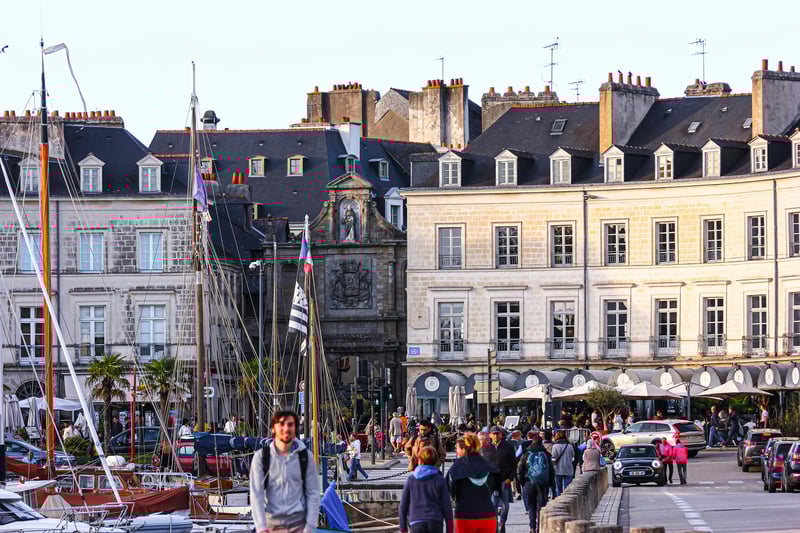
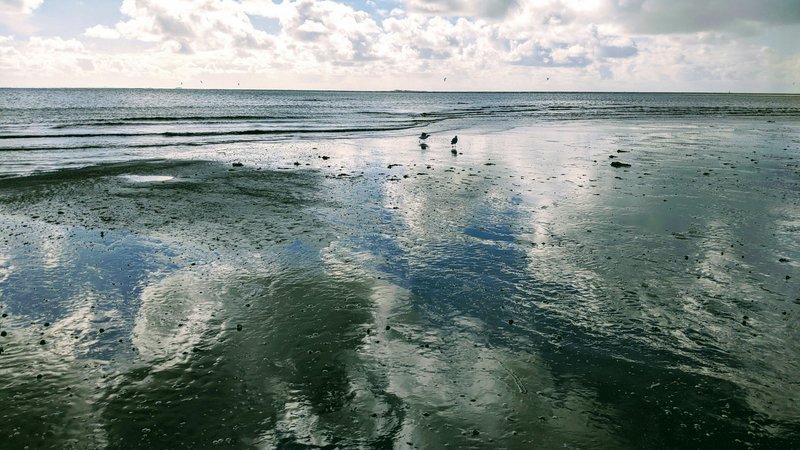
Beyond Carnac, the Gulf of Morbihan scatters some forty islands across tidal waters where oyster farmers work the parcs at low tide. The medieval walled town of Vannes anchors the eastern shore, its half-timbered houses crowding around the ramparts and the Place des Lices. Dining leans heavily on the coast's bounty — Quiberon sardines, Pénestin mussels, and the prized flat oysters from the Golfe. Evening drinks favour harbour-side terraces in La Trinité-sur-Mer, where racing sailors gather after regattas.