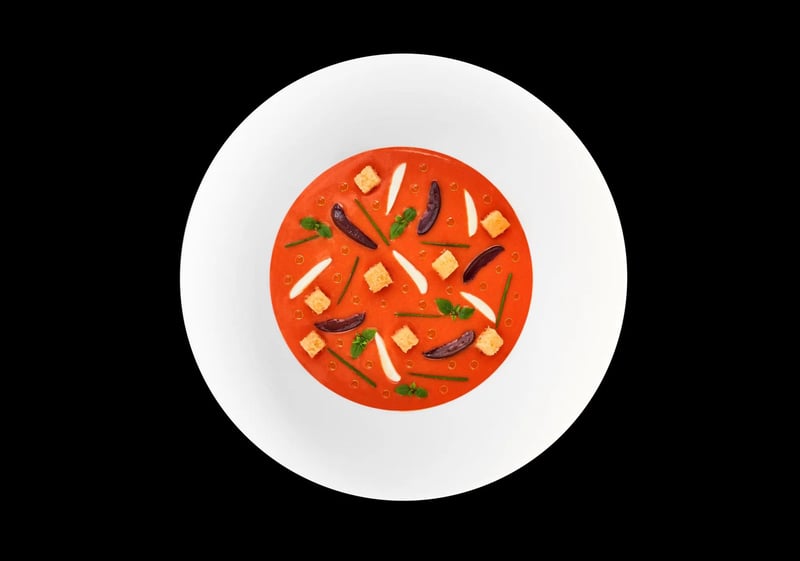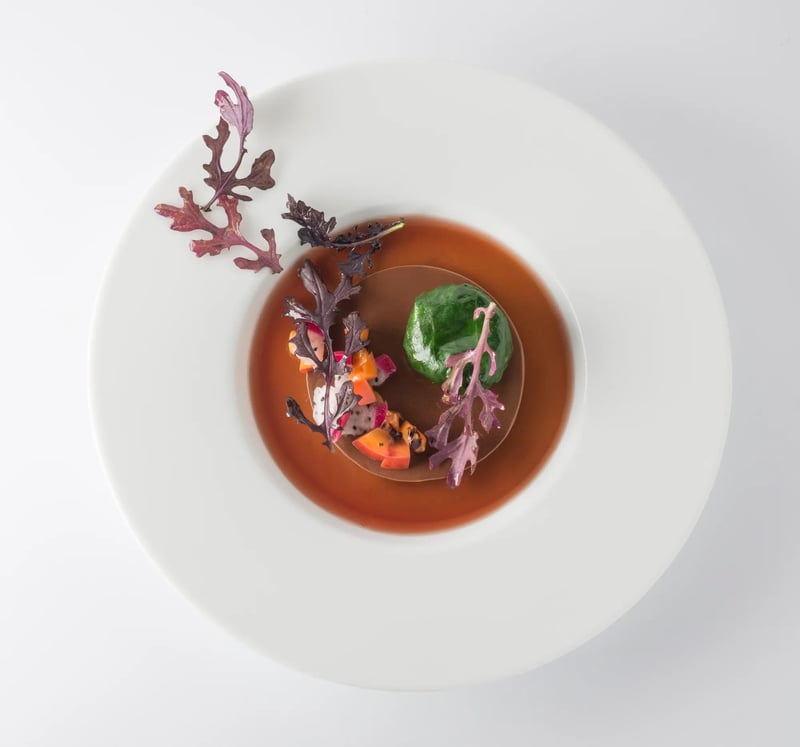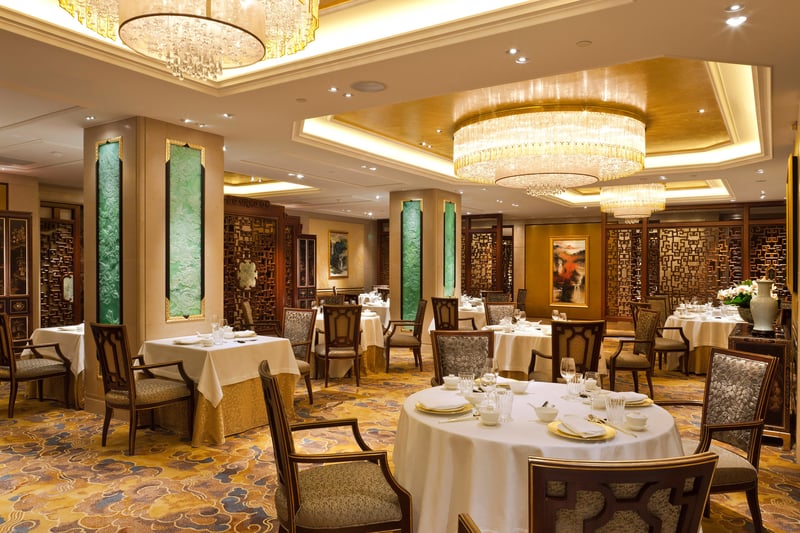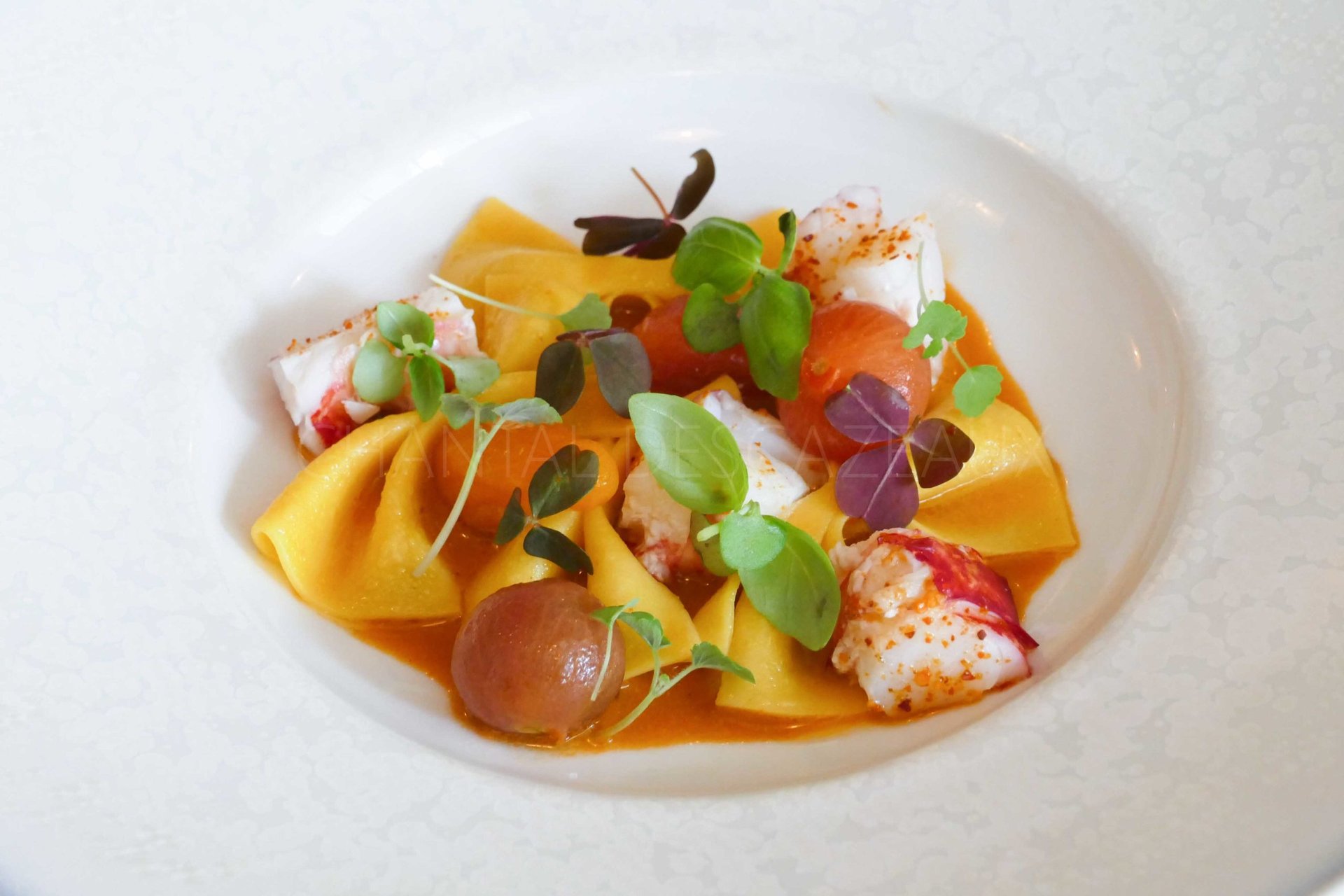
Chef Romain Mahi and pastry chef Ayumi Sugiyama earned their Michelin star in 2019 with a singular approach that layers classic techniques over unexpected experiments in roasted and smoky aromatics—Arctic char in clementine jus with caraway and orange-peel marmalade, poularde paired with smoked eel. The chefs hand-shape their own tableware, refreshing forms with each menu. Though labeled Italian by Michelin, the cuisine charts a broader, accent-driven philosophy: openness, exchange, and the stories ingredients carry.
Explore Paris Italian
Behind a discreet whitewashed facade on rue Pierre-Leroux lies an eight-seat counter facing teppanyaki griddles, where Italian-influenced technique meets Japanese minimalist discipline. The single tasting menu showcases sashimi, Brittany lobster, and chateaubriand prepared with surgical precision, each ingredient carved and griddled to highlight its essential character. The pristine white interior and painstakingly curated Burgundy list complete an intimate, one-star experience built on restraint and exactitude.
Chef Massimo Tringali, formerly sous-chef at Casadelmar in Porto-Vecchio, has earned Armani Ristorante recognition as among Paris's finest Italian tables. Contemporary Italian cooking showcases exceptional ingredients with technical precision—fresh, vibrant, impeccably executed. The dining room, perched above the Armani boutique in Saint-Germain-des-Prés, mirrors the designer's aesthetic: beige tones, banquette seating, glossy surfaces, and soft lighting create an understated elegance befitting a one-star Michelin address.
Grégory Marchand brings a globe-trotting pedigree—Gramercy Tavern, Jamie Oliver's Fifteen, Mandarin Oriental Hong Kong—to this intimate Le Sentier dining room, earning a Michelin star for cuisine that marries Anglo-Saxon boldness with impeccable French sourcing. Scallop tartare arrives under bacon foam, lobster tail luxuriates in juniper-spiked bisque, and banoffee gets a whisky edge, all served in a convivial space of exposed brick and stonework that fills nightly with devotees of his irreverent, international approach.
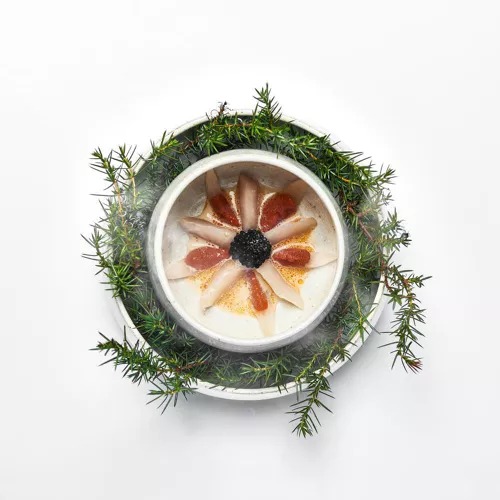
Thierry Marx returns to La Marée, the intimate maritime brasserie where his career began, now reimagined as Onor alongside partner-chef Ricardo Silva. Their one-Michelin-starred kitchen delivers modern Italian cooking laced with Asian accents—soy risotto, translucent scallop or seabream petals—all grounded in Marx's rigorous respect for producers and seasonal precision. The small, luxurious dining room suits gastronomes chasing technical finesse within a quietly nostalgic frame.
Chef Satoshi Horiuchi channels his Hokkaido roots into a modern French kitchen guided by seasonal precision and ingredient obsession. The dining room—midnight blue mosaics, dark surfaces, calibrated lighting—reads as quietly Japanese, a minimalist stage for cuisine that bridges northern French technique and the chef's instinct for produce-driven clarity. Michelin Plate recognition confirms the execution; the four-figure pricing reflects the pursuit of small-producer sourcing and meticulous preparation.
The former Graveur Stern engraving workshop retains its nineteenth-century character—original wood panelling, historical photographs, and artisan carvings—while serving inventive Italian cooking that leans creative rather than traditional. Expect seasonal risotto, dill tagliolini with spider crab and black olive sauce, and house pistachio gelato, all plated generously. The Michelin Plate distinction reflects technique and consistency; the covered-passage setting and warm service suit both business dinners and leisurely evenings in the Grands Boulevards.
Behind a striking cobalt-blue façade in the seventh arrondissement, Pierre Gagnaire's seafood-focused brasserie delivers Italian-inflected refinement backed by a Michelin star. Expect inventive marine compositions—seabream carpaccio crowned with oyster ice cream, line-caught turbot glazed with butter from rare Froment de Léon cows—plated with surgical precision in a pared-down yet luxurious dining room. The menu tilts decidedly coastal, ideal for connoisseurs seeking sophisticated Italian technique applied to the day's catch.
The ground-floor brasserie of the Michelin-starred Armani/Ristorante delivers classic Italian repertoire across from Les Deux Magots: linguine alle vongole veraci cooked al dente with bottarga, ravioli del plin, tortellini, risotto, and spaghetti al pomodoro executed in time-honoured tradition. Verdure alla griglia arrive drizzled with Apulian olive oil, while tiramisu showcases light, full-flavoured mascarpone cream—smart contemporary setting, brisk Italian service.
Behind its volcanic-inspired name lies a collaboration between a chef trained in flame-based techniques and a sommelier with deep expertise. The kitchen revolves around binchotan charcoal: Perche poultry emerges smoky and tender, paired with calçots and a juniper-laced jus, while spices sourced from the chef's travels punctuate each plate. The wine selection spans terroirs with equal ambition, and the Michelin Plate confirms that Italian Contemporary cooking here burns bright.
Frequently Asked Questions
Which Parisian neighborhoods have the best Italian restaurants?
+
The Marais and the 11th arrondissement offer the highest concentration, ranging from old-school trattorias run by second-generation Italian families to modern pizzerias with Neapolitan credentials. The area around Bastille and Oberkampf has seen a recent wave of openings focused on regional specialties from Puglia, Sicily, and Emilia-Romagna.
What styles of Italian cuisine are most common in Paris?
+
Roman and Neapolitan traditions dominate, with trattorias serving classic pasta dishes and pizzerias specializing in wood-fired pies. You'll also find northern Italian influences—risottos, ossobuco, fresh egg pastas—alongside Sicilian seafood preparations and Tuscan grilled meats. Several establishments focus exclusively on aperitivo culture with cicchetti and natural wines.
Do Italian restaurants in Paris maintain authentic regional recipes?
+
Many do, particularly those operated by Italian-born chefs or families with direct ties to specific regions. DOP-certified ingredients like Parmigiano-Reggiano, San Marzano tomatoes, and burrata from Puglia are commonly imported. Some kitchens adapt recipes to French seasonal produce, creating a hybrid approach that respects Italian technique while embracing local terroir.
Nearby Destinations
Explore FranceThe Italian culinary presence here owes much to successive waves of immigration, particularly from the early twentieth century onward. You'll find concentrations around the Marais, where decades-old family establishments serve Roman-style supplì alongside newer Neapolitan pizza operations. The 11th arrondissement has become a proving ground for contemporary Italian cooking, with chefs trained in Bologna or Naples adapting regional traditions to local ingredients. Whether you're after a quick lunch of mortadella on fresh focaccia or a full evening of handmade pappardelle with wild boar ragù, the range reflects Italy's own regional diversity.
Beyond the trattorias, several addresses have earned recognition for more refined interpretations of Italian cuisine, often featuring seasonal ingredients from both French and Italian producers. After exploring the city's best restaurants, consider settling into one of the boutique hotels that dot the same neighborhoods—many within walking distance of the evening's dinner reservation.