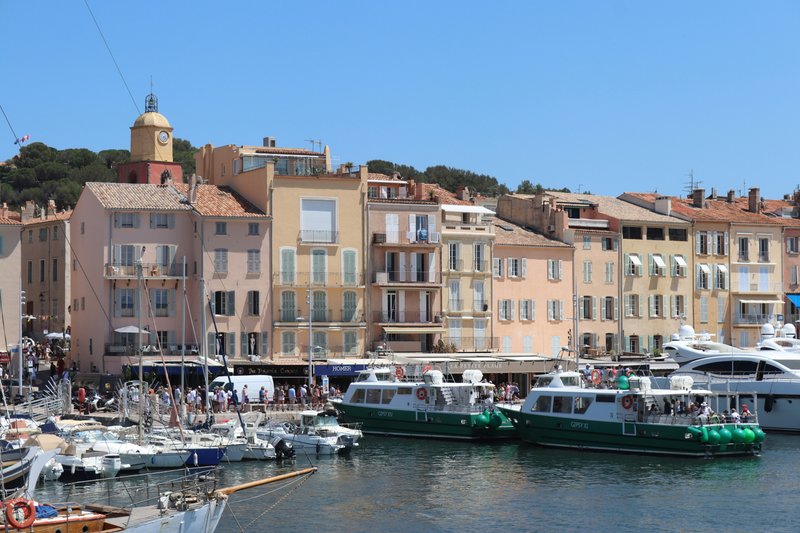
A 1908 Belle Époque landmark with a Gustave Eiffel-designed cupola, this Cap-Ferrat palace sprawls across 17 acres of parasol pines and manicured gardens. A glass funicular descends to Club Dauphin's legendary 33-metre heated seawater infinity pool. Pierre-Yves Rochon's serene interiors dress 74 rooms and suites—eight with private pools—while chef Yoric Tièche's Michelin-starred Le Cap delivers refined Provençal cuisine to an illustrious clientele.
Explore Font Romeu
Where to Stay
Perched on the red cliffs of the Estérel massif between Cannes and Saint-Tropez, this 1950s modernist structure restored by Parisian duo Festen features plaster moucharabiehs, terracotta, and vintage furnishings throughout its 67 rooms. The signature natural saltwater pool carved into the rock draws swimmers to the water's edge, while Estelo serves Mediterranean plates and La Chicoula offers casual fare under the pines. An intimate three-cabin spa completes the coastal retreat.
A baroque château commands an unspoilt Catalan valley, its rampart-set swimming pool framing views of snow-capped Mount Canigou through parasol pines. The kitchen channels the Roussillon terroir into creative, nature-driven dishes, while a hammam and beauty center provide restorative counterpoint to the surrounding wilderness—hiking trails, rafting rivers, and mountain-biking routes that draw active travelers seeking refinement after adventure.
Where to Eat
Perched among parasol pines in an unspoilt Catalan valley, Château de Riell's restaurant commands dramatic views of snow-capped Mount Canigou. The kitchen pursues a creative, terroir-driven approach, translating local ingredients into dishes that honor the landscape. Vegetarian, vegan, and gluten-free menus accommodate dietary preferences without compromise. Before dinner, the Out of Africa bar sets a distinctive mood for apéritifs amid baroque interiors.
From the dining room of Château de Riell, picture windows frame the snow-capped peak of Mount Canigou — a dramatic backdrop for cuisine rooted in the Catalan Pyrenees. The kitchen forages locally, turning mountain herbs into a distinctive chimichurri fragrant with wild dill and burnet flowers. A terrace extends the experience outdoors, making this romantic hilltop address worth the scenic detour from Font-Romeu.
A thatched cottage at the resort's entrance, La Chaumière earns its Bib Gourmand through honest Catalan cooking built on choice meats and locally grown vegetables. The wood-lined interior exudes mountain warmth, while a dedicated ham cellar reveals the proprietor's passion for charcuterie. Regional wines and generous tapas complete an experience rooted in Pyrenean tradition and genuine hospitality.
A Bib Gourmand address in the village of Clara, this family-run table celebrates the terroir of the Cerdagne with refreshing sincerity. The chef tends his own kitchen garden, bakes bread from heritage grain varieties, and sources citrus from neighboring groves. Service remains warmly unpretentious, and the cooking—rooted, seasonal, precise—delivers genuine satisfaction at fair value.
Frequently Asked Questions
What is the best season to visit Font-Romeu?
+
Winter brings reliable snow from December through March, ideal for skiing at Les Angles and Font-Romeu station. Summer offers hiking, mountain biking, and access to high-altitude lakes, with temperatures comfortable due to the elevation. The shoulder seasons — late May and October — are quieter but perfect for spa retreats and exploring the Cerdagne plateau without crowds.
How do I reach Font-Romeu from major cities?
+
The nearest airports are Perpignan (90 minutes by car) and Toulouse (2.5 hours). The scenic Yellow Train (Train Jaune) runs from Villefranche-de-Conflent through dramatic gorges to the plateau, though service is limited in winter. Most visitors arrive by car via the N116, which climbs through the Têt valley before reaching the high plain.
What makes Cerdagne cuisine distinctive?
+
Cerdagne cooking reflects its Catalan heritage and mountain terroir. Trinxat — a hearty dish of cabbage, potato, and pork belly — appears on most menus. Local charcuterie includes botifarra sausages and pa amb tomàquet (bread rubbed with tomato) as a staple accompaniment. The plateau's high-altitude farms produce notable cheeses, while game dishes feature prominently in autumn and winter.
Font-Romeu sits at 1,800 meters on a sun-drenched plateau that the Catalans call "the balcony of the Pyrenees." The town developed around a seventeenth-century hermitage dedicated to the Virgin, and its name derives from the Catalan "font" (fountain) and "romeu" (pilgrim). Today, the Grand Hôtel quarter near the historic sanctuary draws visitors seeking altitude training facilities and crisp mountain air, while the lower village of Odeillo is home to the striking solar furnace, its parabolic mirrors a surreal landmark against granite peaks.
The wider Cerdagne valley — a high plateau straddling France and Spain — maintains distinct Catalan traditions. Farmers still grow potatoes and raise horses on terraced fields; the weekly market in Bourg-Madame trades in local charcuterie and mountain cheeses. Restaurants serve trinxat, the regional cabbage-and-potato dish, alongside game from surrounding forests. Evenings are quiet: après-ski culture remains understated, with most establishments closing early and guests retreating to fireside lounges. The altitude and three hundred days of annual sunshine have made this an Olympic training destination since the 1968 Grenoble Games, lending the area a sporty, health-conscious atmosphere distinct from glitzier Alpine resorts.