
Skip to content

Tokyo

Explore Tokyo View Restaurant

Restaurants (5)
Verified
★ Michelin · Verified

From the 49th floor of Toranomon Hills Station Tower, Apothéose delivers a one-starred vision of French cuisine filtered through Japanese sensibility. The kitchen pursues rigorous inquiry into local ingredients while honoring classical technique, building each menu around substantial meat courses punctuated by rice dishes—an unconventional pairing that amplifies rather than interrupts. Experimental yet disciplined, the approach rewards diners seeking cerebral gastronomy with panoramic views.

Verified
Verified

Through sweeping white-framed windows, diners watch Shinkansen glide past while savoring Chef Masahiro Ishihara's Franco-Japanese cuisine inside the 1915 Marunouchi Station building. His bimonthly menus showcase seasonal precision—seared swordfish paired with Iberian pork, TOSA duck prepared with exacting technique—drawn from training in France's Michelin-starred kitchens. A 1,200-bottle cellar complements the rare experience of fine dining amid Tokyo's railway heritage.

Verified
Verified

From the 28th floor of Conrad Tokyo, floor-to-ceiling windows frame Tokyo Bay and the sprawling cityscape below. Chef Takuma Kageyama applies rigorous French technique to premium Japanese seasonal produce—his two-year aged Hokkaido potato cappellini with fresh fish demonstrates remarkable precision. The dining room pairs sophisticated beige tones with an open kitchen, while an expert sommelier matches Rhône wines and sake to each course.

Verified
Verified

From the 28th floor of the Conrad Tokyo, floor-to-ceiling windows frame Hamarikyu Gardens, Tokyo Bay, and the Rainbow Bridge in a sweeping panorama that shifts with the light. The kitchen operates across three disciplines—kaiseki sequences attuned to the seasons, an Edomae sushi counter working red vinegar rice with daily catches, and a teppan stage where A5 wagyu receives precise, almost theatrical treatment. Private tatami rooms and décor drawn from kura warehouses complete an atmospheric setting suited to contemplative, unhurried dining.

Verified
Verified

Through floor-to-ceiling windows, Shinkansen bullet trains streak past as diners settle into André Fu's warm interior of Thonet chairs and mandarin-orange accents. Executive chef Daniel Calvert—also at the helm of three-Michelin-star Sézanne—delivers refined bistro cooking with Japanese inflections: Dover sole meunière arrives golden under sakura ebi and browned butter, while the signature mille-feuille layers crisp pastry with lemon and praline creams. A polished choice for business lunches or unhurried weekend meals.

6. Héritage by Kei Kobayashi

★ Michelin· Forbes Five-Star

From the 45th floor of The Ritz-Carlton, Tokyo's glittering sprawl unfolds beyond floor-to-ceiling windows at Kei Kobayashi's one-starred table. Every seat commands the panorama, a theatrical backdrop for the chef's lighter interpretation of French classics—his signature roasted pigeon, utilizing the entire bird, demonstrates both technical mastery and mindful sourcing. Two decades of French training yield dishes where pristine ingredients eclipse heavy sauces.

7. est

★ Michelin· Forbes Five-Star

From the 38th floor of Four Seasons Tokyo at Otemachi, Chef Guillaume Bracaval orchestrates a one-Michelin-starred menu that shifts with Japan's 72 micro seasons. His contemporary French cooking draws on small-lot farmers for natural produce, while sustainability drives inventive choices—house-made tofu cheese replacing imported butter. The signature peau de soja dessert, layering tofu with Japanese citrus, captures the kitchen's philosophy: local ingredients, French finesse, Tokyo's skyline as backdrop.

8. Nouvelle Epoque

Forbes Five-Star

Inside The Okura Tokyo, intimate dining niches frame views of manicured gardens against Minato-ku's glittering towers. The kitchen applies seasonal Japanese ingredients to classical French technique—foie gras, boar carbonnade, queen crab-dressed flounder—while an impressive glass-walled cellar showcases fine Burgundies and Champagnes. Gentlemen wear jackets here; this is haute cuisine served with corresponding formality, a rare holdout against creeping casualness.

9. Sazanka

Forbes Five-Star

Jacques Chirac made this teppanyaki room his Tokyo dining ritual across dozens of visits, drawn to the theatrical precision of chefs grilling Kobe beef, seafood, and seasonal vegetables on sizzling hotplates. Perched within The Okura Tokyo, floor-to-ceiling windows frame sweeping city panoramas, while vintage decor channels a distinctly Japanese Mad Men elegance. The intimate counter seating turns every meal into private culinary theater.

10. Yamazato Tokyo

Forbes Five-Star

From elevated seats overlooking The Okura Tokyo's traditional Japanese garden, guests at Yamazato witness grand chef Akihiro Omori's three-decade mastery unfold across hand-painted ceramics. Kimono-clad attendants present kappo, sushi, and tempura in one refined setting—a rare convergence of classical disciplines. The kitchen accommodates dietary restrictions with advance notice, an uncommon courtesy in Tokyo's fine-dining landscape.

Frequently Asked Questions

Which Tokyo neighborhoods have the highest concentration of restaurants with panoramic views?

+

Shinjuku's Nishi-Shinjuku skyscraper district, Roppongi Hills, Shiodome, and Marunouchi all feature clusters of elevated dining rooms. The Shibuya Sky area has added newer options since 2019, and Ginza's recent tower developments continue to expand the possibilities.

What floor height typically offers the best dining views in Tokyo?

+

Restaurants positioned between the 35th and 55th floors generally provide optimal perspectives—high enough to survey the urban expanse without losing connection to recognizable landmarks. Ground-level illumination becomes more dramatic after dark from these elevations.

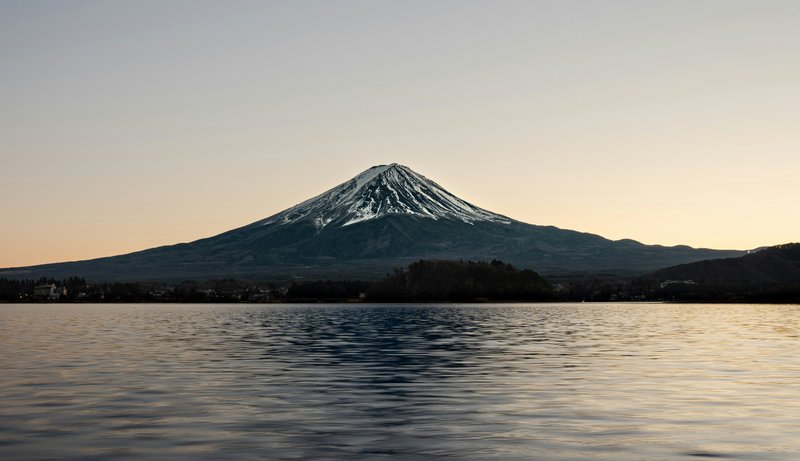
Is there a best time of year to see Mount Fuji from Tokyo's high-rise restaurants?

+

Winter months from December through February offer the clearest visibility, particularly in the late afternoon when pollution levels drop. Summer humidity frequently obscures the mountain entirely. Early morning reservations during autumn can also yield successful sightings.