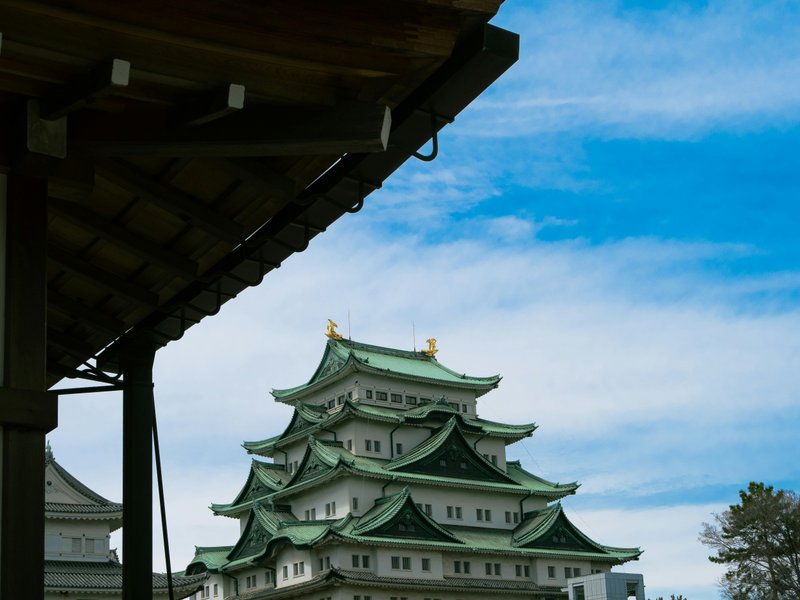
Overlooking Nagoya Castle, this Leading Hotels of the World property delivers a comprehensive wellness circuit: natural onsen baths, a sauna-equipped spa, and an indoor swimming pool create a full relaxation sequence rare in central Nagoya. Spacious rooms accommodate families comfortably, making it a practical base for travelers seeking both urban exploration and traditional Japanese bathing rituals.
Eight rooms face the waters of Noto Island through floor-to-ceiling glass, each designed in a spare Japanese-Scandinavian vocabulary of tatami, blonde wood platform beds, and dark-tiled bathrooms with ocean-view soaking tubs. Private terraces and saunas feature in select accommodations, while the spa offers fragranced outdoor baths and a wood-burning sauna. Adults only; silence and sea views are the principal luxuries.
Overlooking the leafy expanse of Hisaya Odori Park, this 150-room boutique property brings an unexpected resort sensibility to central Nagoya. The soothing minimalist interiors balance contemporary style with calm, while a full spa featuring jacuzzi, sauna, and indoor pool anchors the wellness offering. Dining splits between the omakase counter at Shuhari and the globally-minded Table for Tomorrow—a compelling pairing for design-conscious travelers seeking substance alongside polish.
Nagoya's 1954 television tower, now decommissioned, has become an architectural curiosity: original iron support beams slice diagonally through the walls, floors, and ceilings of just fourteen rooms. The Central Park setting delivers unobstructed city views, while interiors showcase modern Japanese art against industrial geometry. Two restaurants anchor the dining program—an upscale French and a fine-dining Tokai regional option celebrating local flavors.
A private enclave within Nagoya Kanko Hotel, Espacio offers 54 residence-style suites with full kitchens for extended stays. The 18th-floor lounge surveys the city skyline from breakfast through nightcaps, while ten restaurants below explore kaiseki, teppanyaki, tempura at Tenshachi, and binchotan-grilled yakitori at Yaoyorozu. Afternoons drift between live music in Jardin and a swimming pool where stained glass paints the water in shifting colors.
White walls and green copper roofing styled after castle architecture crown this 27-room landmark overlooking Mikawa Bay and Takeshima Island. Art Deco chandeliers and elevator details survive in the lobby, while the grounds preserve a hexagonal 1936 annex and a wooden sukiya-shoin structure from 1916. Babe Ruth and Lou Gehrig slept here during their Japanese exhibition tour—their rooms still noted today.
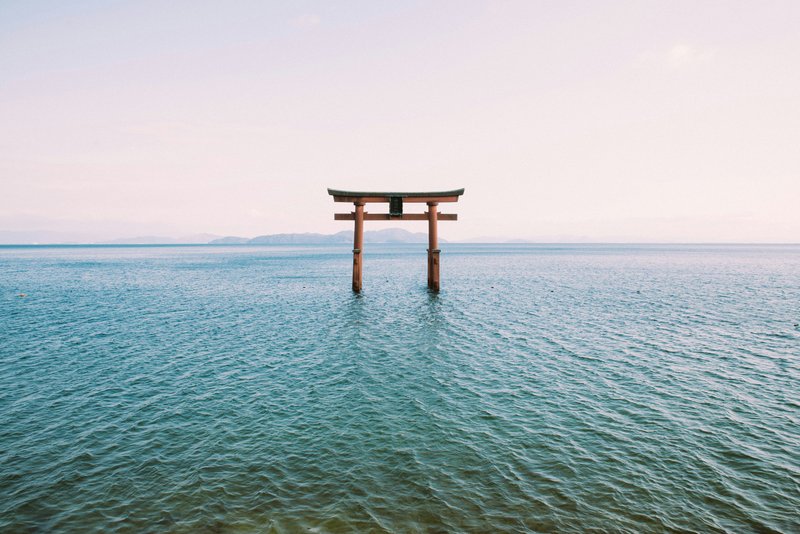
A fifth-generation family has converted their ancestral lumber company site into an exclusive two-bedroom house beside the Shichiri no Watashi ferry crossing and its iconic torii gate. Sleeping just four guests, the property merges European and Japanese aesthetics through carefully chosen antiques and artworks. Breakfast arrives from attentive staff; dinner comes via room service from respected local restaurants. Independent travelers seeking artisanal craft will find this intimate retreat unmatched.
Frequently Asked Questions
What is Nagoya meshi and where should I try it?
+
Nagoya meshi refers to the city's distinctive regional dishes, including miso katsu (pork cutlet with red miso sauce), hitsumabushi (grilled eel served three ways), tebasaki (crispy chicken wings), and kishimen flat noodles. The best concentration of traditional restaurants serving these specialties lies around the Fushimi and Sakae districts, with many establishments operating for generations.
Which neighborhoods offer the best walking and exploration?
+
Osu provides the most rewarding urban wandering, with its Kannon temple, covered shopping arcades, and mix of electronics vendors, vintage clothing shops, and street food stalls. Shikemichi and the adjacent Endoji shopping street preserve traditional architecture and attract artisans and gallery owners. For modern design and fashion, the Hisaya-odori Park area offers a landscaped corridor lined with boutiques.
How does Nagoya connect to nearby craft traditions?
+
The city serves as a gateway to significant ceramic heritage. Seto, thirty minutes east, has produced pottery since the 13th century and hosts studios open to visitors. Tokoname, south toward the airport, specializes in the distinctive red clay teapots seen throughout Japan. Within Nagoya itself, the Noritake Garden complex traces the history of the tableware manufacturer and displays both industrial craft and contemporary ceramic art.
Nearby Destinations
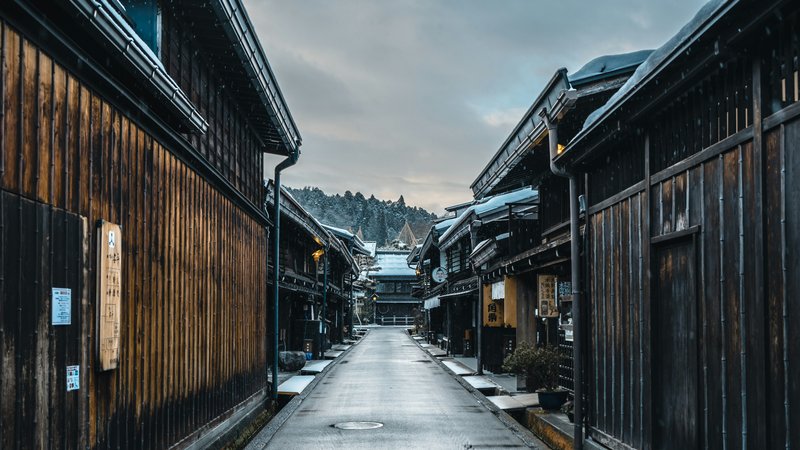
Explore JapanJapan's fourth-largest city carries itself with the confidence of a place that has nothing to prove. The castle town of the Tokugawa shoguns, Nagoya rebuilt itself after wartime destruction into an industrial powerhouse, yet its neighborhoods retain distinct identities. Sakae hums with department stores and late-night izakayas, while Osu's covered arcades shelter vintage shops and temple grounds. The Shikemichi district preserves Edo-era merchant houses along narrow lanes where craft studios now occupy former storerooms.
The food culture here developed independently of Tokyo and Kyoto influences. Miso-glazed dishes dominate local menus, from the dark red hatcho miso drizzled over tonkatsu to the bubbling pots of miso nikomi udon. Morning service at kissaten coffee houses often includes toast, eggs, and salad with the price of a cup — a Nagoya custom that persists despite modern café culture. The ceramics of nearby Seto and Tokoname make their way into the city's tableware, connecting contemporary dining rooms to centuries of kiln traditions.