Otaru Ryotei Kuramure: Private Baths and Autumn Flavors in Hokkaido


In the wooded valley of Asarigawa Onsen, just a few kilometers from Otaru’s historic waterfront, Otaru Ryotei Kuramure invites guests to discover Hokkaido through soothing hot baths and seasonal flavors. Now managed by Onko Chishin, this nineteen-suite ryokan combines architecture inspired by the city’s stone warehouses, private hot spring baths and kaiseki cuisine that uses fermentation to reveal the richness of local ingredients. We stayed for an autumn escape, enjoying the tranquility of the mountains, the pleasures of the table and the warmth of Japanese hospitality.
From Otaru’s Trading Quays to the Quiet Mountains
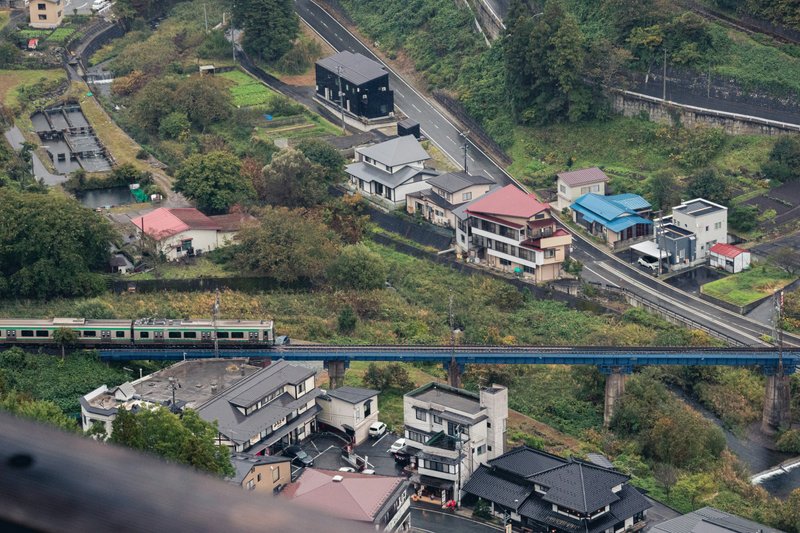
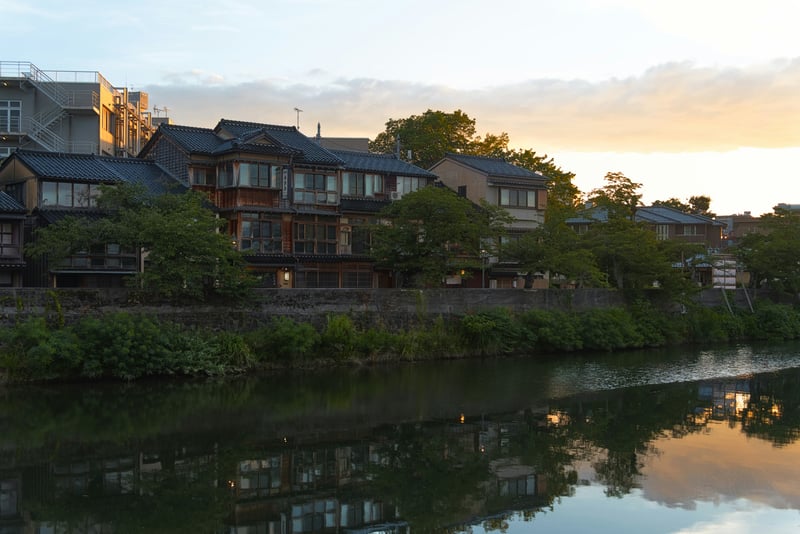
Around twenty minutes by car from central Otaru, Otaru Ryotei Kuramure nestles in the wooded valley of Asarigawa Onsen, beside the Asari River. The property offers a peaceful mountain escape within easy reach of one of the most charming port cities on Hokkaido’s west coast. A legacy of its trading past, Otaru’s canal is lined with old stone warehouses, some now converted into restaurants and galleries. A stroll along the water reveals this heritage, before a meal showcasing the fish and seafood for which the city is renowned. This contrast between the historic waterfront and the mountain scenery of Asarigawa Onsen is central to the ryokan’s appeal, with the quiet of the valley awaiting after a few hours of exploration. The property is approximately an hour’s drive from New Chitose Airport and forty minutes from Sapporo.

Onko Chishin: Bringing Heritage into Today’s Retreats
Founded in Tokyo in 2011 by Tomoki Matsuyama, a former director at Hoshino Resorts, Onko Chishin creates hotels and ryokans that become destinations in their own right. Its name, borrowed from the Analects of Confucius, conveys the idea of gaining fresh understanding from the past: a place’s history, architecture or traditions thus provide the starting point for each project. As of November 2026, the group has twelve properties, alongside Island Inn Rishiri, whose operation it took over in October. This expansion will continue in 2027.
This approach first took shape in 2015 with Setouchi Retreat Aonagi, a former museum designed by Tadao Ando, transformed into a seven-suite hotel in Ehime Prefecture. Since that first opening, the group has expanded its portfolio with properties that each explore a different facet of Japan. They now fall into three complementary collections: Retreat focuses on rest, bathing and scenery; Craft brings together experiences centered on pursuits such as wine or track cycling; and Gateway offers bases from which to discover a region. Each stay is given a distinct sense of place.
Otaru Retreat Kuramure by Onko Chishin belongs to the Retreat collection. Opened in 2002 as Otaru Ryotei Kuramure, the ryokan has offered a private bath fed by a natural hot spring in every room from the outset. The group took over its management in June 2025, before reopening it under its new name in February 2026. Its concept, “kamosu,” evokes brewing, fermentation and the time needed for maturation: an invitation to slow down and savor the stay.


From Otaru’s Stone Warehouses to Echoes of Katsura
Designed by Makoto Nakayama, a highly regarded architect in Hokkaido, Otaru Retreat Kuramure reinterprets the form of Otaru’s stone warehouses through five low pavilions linked by covered walkways. Two guest room wings, the baths, the lobby and the dining room form a small village of gabled roofs, in harmony with Hokkaido’s hills. Inspired by the spirit of the Katsura Imperial Villa, the architecture cultivates kan, or tranquility, through carefully considered proportions, natural materials and a subtle dialogue with the landscape. This approach earned it the Special Jury Prize at the 28th Hokkaido Architecture Awards.


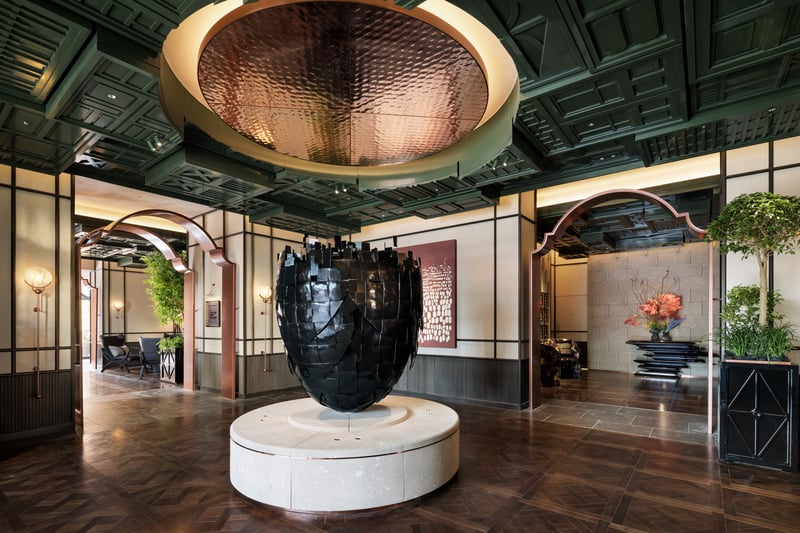
To accompany the property’s renewal under Onko Chishin, Nakayama returned to his original vision, removing successive additions to restore the simplicity of its lines. In the lobby, light filters gently through the skylight, while low windows frame the views and softly illuminate the interiors. Custom-designed furniture in the guest rooms, artworks and handcrafted pieces create a setting where contemporary comfort respects Japanese restraint. A library devoted to Otaru’s history, a music bar playing vinyl records and a tea lounge with seasonal floral arrangements extend this intimate atmosphere, true to the principle of kamosu: allowing time to enrich a place.


Nineteen Retreats Shaped by the Rhythm of Water
The 19 suites come in six categories, each with a private onsen fed by a natural spring. Thanks to the “Anytime Bath” system, the water stays at the right temperature, ready for guests at any hour. Ranging from 70 to 72 m², the suites offer different ways to settle in: a spacious upstairs living room overlooking the trees, four beds for stays with family or friends, or a single-level layout in the Junior Suites. The Japanese-Western suites pair a sunken kotatsu with marble accents and the comfort of underfloor heating. The maisonettes favor split-level layouts, with a living room overlooking an inner garden or an upstairs space linking the bedroom to a Japanese-style room. Several of these interiors bear Makoto Nakayama’s signature, with wood and views of nature playing an essential role.


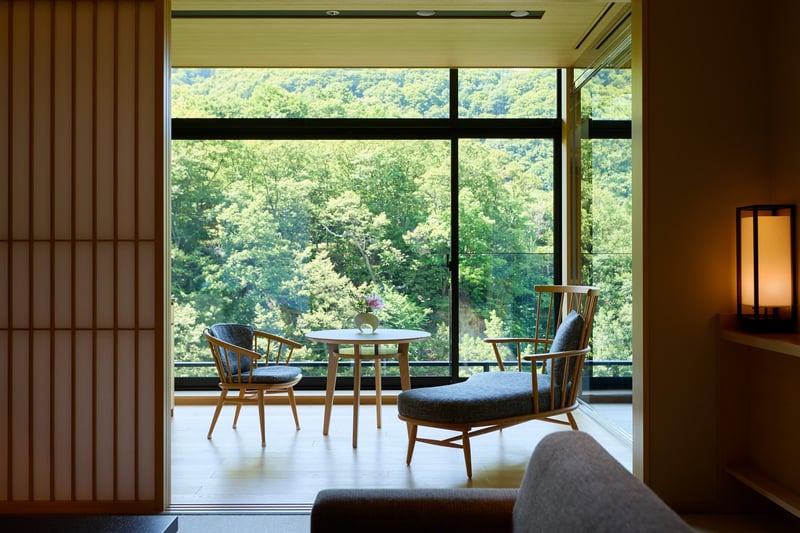
During our stay, we settled into a 70 m² maisonette with a semi-open-air onsen, accommodating up to four guests. The ground floor features a living room overlooking a small inner garden and a tatami room, while the bedroom and bathroom are upstairs. Warm wood and distinct living spaces create an intimate setting, a pleasure to return to between baths. Always ready, the private onsen allowed us to slip into the hot water whenever we wished throughout the day. The minibar and room service, included in the stay, added to these peaceful moments. A few local touches completed the experience: skincare from Hokkaido brand ICOR, drip coffee bags from Sapporo-based roaster Miyanomori Alchemist Coffee, and Kobushi-yaki pottery teacups.


Waking Up to Hokkaido, Discovering Otaru by the Chopstick
Breakfast celebrates the flavors of Hokkaido with a Japanese tray combining fresh vegetables and fermented specialties from Otaru. The salad comes with three dressings—lemon salted koji, soy sauce koji with green shiso, and miso with yogurt—while the seafood selection includes kirikomi herring from Horinouchi Suisan, Pacific squid sashimi, seared cod roe from Kojohama and grilled herring marinated in rice bran. A rolled Japanese omelet made with free-range eggs from Akaigawa is served alongside pot-cooked Yumepirika rice, pickled vegetables and an ume plum. A soup blending white miso from Hokkaido and Kyoto rounds out the selection, followed by a smoothie made with sake lees from Tanaka Brewery and Yoichi apples served with Hokkaido yogurt.

Inside a Creative Kaiseki Experience
Guided by the concept of “kamosu,” the cuisine celebrates the art of fermentation through a creative kaiseki menu rooted in the principles of washoku. Dinner opens with a hassun of fermented ingredients, in which koji, brining and aging reveal seasonal flavors, before exploring the bounty of Hokkaido’s mountains and sea through delicate compositions, as carefully presented as they are thoughtfully paired. Served in a dedicated private dining room, dinner and breakfast offer an intimate introduction to the region’s produce. An extensive selection of Hokkaido wines, notably from Otaru, Yoichi, Niki and Sorachi, accompanies this exploration alongside regional sake. Drinks are included in the all-inclusive package, with the exception of certain rare bottles available at an additional charge.

This discovery begins with the Sakizuke, an autumn assortment of fermented delicacies, artfully arranged on a long, dark plate. Smoked salmon from Shiriuchi and roasted Hokkaido lily bulb come together in a cream cheese shira-ae, while a tiger prawn from Akkeshi, presented in a small glass with a slice of lemon, adds a touch of color. Pacific saury from Nemuro, marinated in wine vinegar, sits alongside pickled white asparagus from Akaigawa and ginger-scented soy sauce koji. This opening course brings Hokkaido’s seafood and vegetables together through the guiding theme of fermentation.

Following this opening course, the Tukuri (Sashimi) continues the exploration of seafood on a dark ceramic plate. Slices of bluefin tuna sit alongside shellfish delicately arranged in their shells and pieces of crustacean. Shiso leaves, a slice of lemon, a touch of wasabi and a thin round of radish create a restrained, refined composition that highlights the care taken with presentation. Two soy sauces, one with salmon and the other with scallop, accompany the dish, inviting different pairings with each bite.

After these raw seafood dishes, the Osinogi brings the warmth of an amber broth, with soba noodles served in a brown ceramic bowl. A piece of silver-skinned Otaru herring rests on the noodles, accompanied by delicate yellow petals. Japanese pepper lifts this dish, designed to gently satisfy the appetite as the meal unfolds. The simplicity of the presentation allows every element to be appreciated, from the sheen of the fish to the subtle hues of the broth.

The meal continues with the Shiizakana, showcasing Otaru hokkaku fried in a beer batter that envelops it in a golden crust. Its crisp skin, arranged upright, adds height to the composition, served on a long, dark plate adorned with maple leaves in autumn shades. A green shishito pepper accompanies the fish, while natural salt made with Rishiri kombu root, delicately placed on the ceramic, allows guests to adjust the seasoning to taste. Half a sudachi provides a final squeeze of citrus just before eating.


Following this crisp dish, the Hachimori celebrates grilled autumn vegetables, gathered in a wide ceramic bowl in shades of pearl gray. A lacy slice of lotus root sits alongside orange squash, eggplant and green leaves, creating a warm palette of colors. A crab sauce threaded with fine strands coats the vegetables, lending a taste of the sea to this seasonal dish. The gentle interplay between vegetables and seafood continues.

Continuing this succession of flavors, the Gohan showcases organic Nanatsuboshi rice prepared as sushi and topped with generous slices of Japanese Black wagyu beef from Biratori, lightly seared on the surface. Delicately golden and glistening, the meat is finished with touches of wasabi and a few fresh herbs, adding contrast to the presentation. Arranged on a long, dark ceramic plate streaked with red, these bites are as understated as they are refined, offering a final savory course before dessert.

To close the meal, Beni Azuma sweet potato gelato and roasted sweet potato compote are served in a small, dark ceramic bowl decorated with flowers. A generous scoop of ivory-colored gelato sits alongside pieces of sweet potato with golden flesh and purple skin, accented with a few mint leaves. A cup of amber tea accompanies the dessert, whose simple presentation showcases sweet potato in two textures. This pairing of gelato and roasted compote brings the meal to a sweet close, in harmony with the menu’s autumn flavors.

The Seasons of Satoyama at the Water’s Edge
An entirely private onsen, available at an additional charge, offers a serene escape with an open-air bath overlooking the satoyama landscape as it changes with the seasons. Fed by Asarigawa’s natural thermal waters, rich in calcium and sodium chlorides, it is complemented by a sauna where the löyly ritual is scented with kumazasa tea and zukou incense, followed by a natural spring-fed cold pool kept below 25°C for gentle refreshment. Massages and facials using plant enzymes and aromatic ingredients from Hokkaido extend this moment of relaxation.


My Verdict
Otaru Ryotei Kuramure is a lovely base for discovering Otaru while enjoying the tranquility of Asarigawa Onsen. Its architecture, inspired by the city’s old stone warehouses, spacious suites with private hot spring baths and cuisine devoted to Hokkaido’s produce give the stay a distinctly local character. The all-inclusive package and meals served in a private dining room add a welcome level of comfort. This ryokan is particularly well suited to travelers looking to combine sightseeing, fine dining and hot spring bathing during a stay in western Hokkaido.
What I Loved:
- The beautiful views of nature from our suite’s living room, where vast picture windows create a wonderful sense of immersion in the surrounding landscape.
- The bath in every suite, along with the option of enjoying a private bath with an outdoor area.
- Dinner and breakfast, both excellent, embracing creativity while respecting Japanese culinary traditions.
What Could Be Improved:
- Some facilities would benefit from a light refresh to fully match the quality of the overall experience.
Practical Information
- A maisonette with a semi-open-air onsen cost €650, including dinner and breakfast, in September 2026.
Contact Details
Otaru Ryotei Kuramure
〒047-0154 Hokkaido, 2-685 Asarigawa Onsen, Otaru City,