Makoto Nakayama's modernist architecture frames the Hanazono Forest through floor-to-ceiling windows at this 15-villa ryokan whose name translates to "sit and forget in the woods." Each villa features private indoor and outdoor onsen baths, while chef Yoshihiro Seno—Hokkaido-born and internationally trained—orchestrates elaborate kaiseki dinners. A contemplative retreat for travelers seeking traditional Japanese hospitality filtered through contemporary design sensibilities.
A glass-and-timber lodge commanding views of Mount Yotei, this ski-in, ski-out retreat delivers direct powder access via gondolas with heated leather seats. Rooms begin at 700 square feet, divided by shoji-style partitions; top suites include private onsens. Molière Montagne brings chef Hiroshi Nakamichi's Sapporo acclaim to the mountain, while the spa features ICOR treatments using local botanicals and Yotei spring water.
Ski-in ski-out access at Mount Annupuri's base defines this 50-room Ritz-Carlton Reserve, where modernist Japanese architecture frames dramatic mountain panoramas through floor-to-ceiling windows. Two refined Japanese restaurants anchor the culinary program, while the Sothys spa draws on natural hot springs for its onsen, sauna, and jacuzzi circuit. A polished choice for families and couples seeking alpine luxury with authentic Japanese sensibility.
Beneath the volcanic silhouette of Mount Yotei, this 18-room property reimagines the ryokan tradition for contemporary travelers. Every room—whether tatami-floored or Western-styled—opens onto a private terrace with its own spring-fed onsen, framing Niseko's dramatic peaks. The kitchen follows Hokkaido's seasons closely, sourcing ingredients from the Shiribeshi region for menus that shift with the harvest. Ideal for families seeking alpine serenity with authentic thermal bathing.
Setsu Niseko brings 190 rooms of urban sophistication to Hokkaido's powder-covered slopes, its architecture threading traditional Japanese craftsmanship through a decidedly contemporary frame. Accommodations span studios to four-bedroom suites, while five restaurants cover ground from kaiseki to Western cuisine. After a day on the mountain, the on-site onsen, sauna, and jacuzzi provide the requisite thaw—a complete ski hotel for those who refuse to compromise on refinement.
Stacked like oversized building blocks against Hokkaido's powder-laden slopes, Muwa Niseko offers ski-in/ski-out access with an alpine-chic aesthetic of blonde wood and geometric fixtures. The 113 rooms include full kitchens and laundry facilities, suited to extended stays. Two genuine onsen anchor the experience—the infinity bath frames Mt. Yotei in cinematic fashion—while a sauna and landscaped garden complete the retreat.
Artist-hotelier Shouya Grigg dismantled centuries-old kominka farmhouses and rebuilt them in a quiet valley outside Niseko, their timber frames joined without nails using traditional Japanese carpentry. Each of the five rooms—named for natural elements—features a private onsen and rotating pieces from Grigg's art collection. A wood-lined spa draws from hot springs, while the restaurant pairs seasonal Hokkaido cuisine with local wines against mountain panoramas.
Ski-in/ski-out access beneath Mount Yōtei's volcanic silhouette defines this 53-room contemporary retreat in Hirafu. The onsen complex anchors the wellness offering, with the penthouse claiming two private thermal baths; other rooms feature soaking tubs framing Hokkaido's pastoral landscape. Sushi Shin by Miyakawa brings Michelin-starred Sapporo credentials to the mountain, rewarding powder-seekers with omakase after a day on the slopes.
Architect Koichi Ishiguro drew on traditional Ainu dwellings to shape Andaru Collection Niseko's striking two-story villas, their steep A-frame silhouettes engineered to rise above Hokkaido's legendary snowfall. With just six units, the property maintains an intimate scale suited to families and small groups seeking both winter skiing and summer pursuits. On-site, Ultimo delivers refined Italian cooking through a rotating seasonal menu.
Frequently Asked Questions
When is the best time to visit Niseko for skiing?
+
The prime ski season runs from mid-December through late February, when Niseko receives its heaviest snowfall. January typically offers the most consistent powder conditions, with the resort averaging over two meters of snow during the month. Night skiing operates until 8:30 PM on the Grand Hirafu slopes, extending the ski day considerably.
What makes Niseko's snow different from other ski destinations?
+
Cold Siberian air masses cross the Sea of Japan and dump moisture as they hit Hokkaido's mountains, creating exceptionally dry, light powder with low water content. This meteorological phenomenon produces snow that feels almost weightless underfoot — the Japanese call it 'Japow.' Annual snowfall regularly exceeds 15 meters on the upper slopes.
Is Niseko worth visiting during summer months?
+
The summer season offers white-water rafting on the Shiribetsu River, golf courses with views of Mount Yōtei, and hiking trails through alpine meadows. Adventure operators run mountain biking, horseback riding, and hot air balloon flights. The absence of crowds makes it easier to experience local onsen and Hokkaido's farm-to-table cuisine at a relaxed pace.
Nearby Destinations
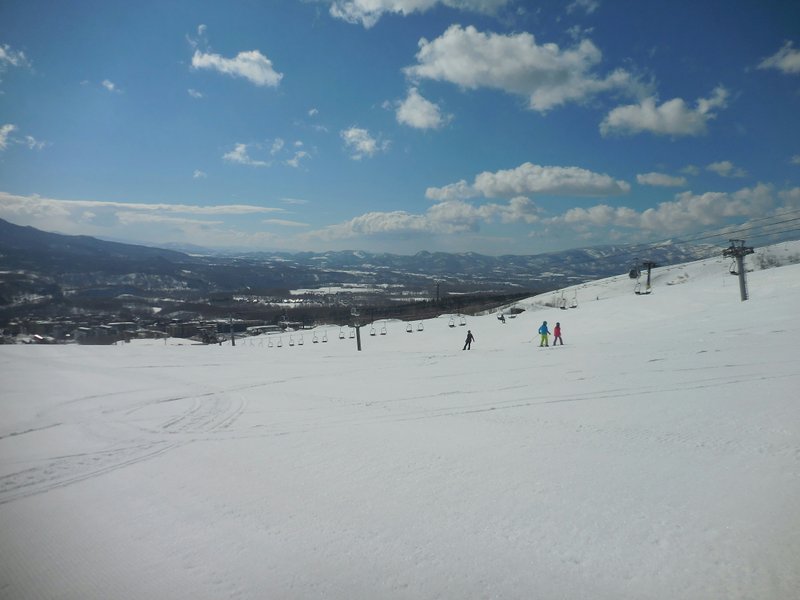
Explore JapanNiseko occupies a singular position in Hokkaido's southwestern corner, where the Niseko United ski area spans four interconnected resorts across Mount Niseko-Annupuri. The village of Hirafu serves as the commercial heart, its steep streets lined with izakayas, equipment shops, and après-ski venues that come alive after the lifts close. Grand Hirafu draws the largest crowds, while Hanazono's eastern slopes offer wider runs and a quieter atmosphere. The presence of Mount Yōtei — Hokkaido's near-perfect volcanic cone — dominates every sightline, lending the landscape a dramatic alpine quality unusual in Japan.
Beyond winter, Niseko transforms into a base for rafting the Shiribetsu River, hiking through virgin beech forests, and cycling past dairy farms that produce some of Japan's finest milk and cheese. The onsen culture runs deep here, with natural hot springs scattered throughout the area, many fed by the same volcanic activity that created the region's famous powder. Local dining ranges from Hokkaido seafood — uni, crab, and scallops from nearby Otaru — to lamb raised on the surrounding pastures, often served as jingisukan, the region's signature grilled dish.