


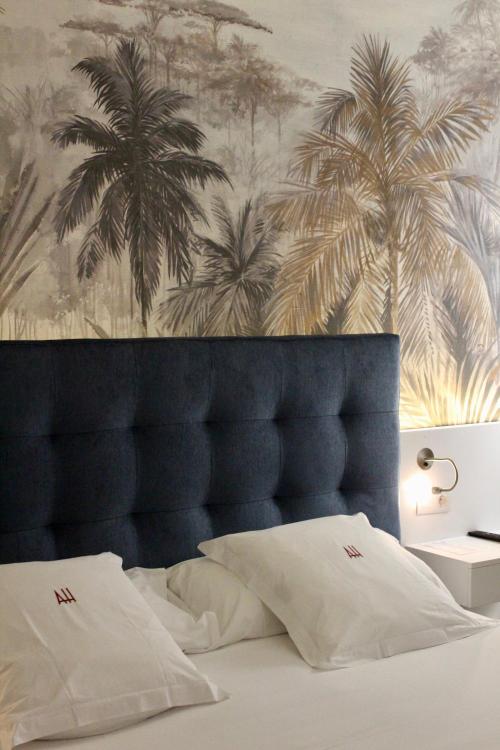
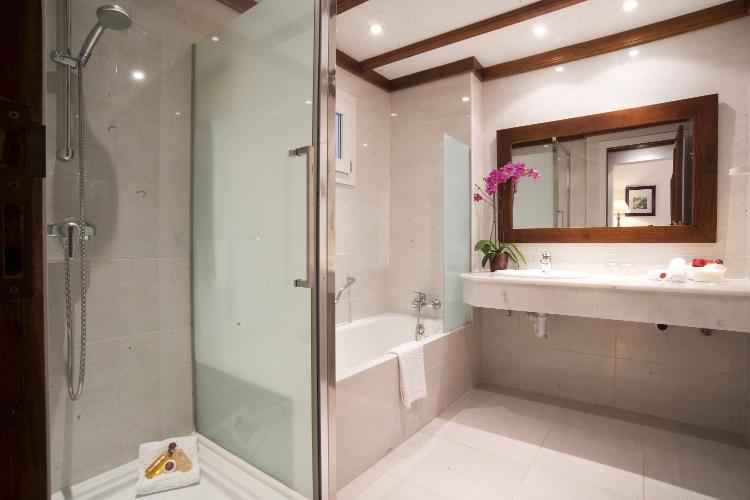
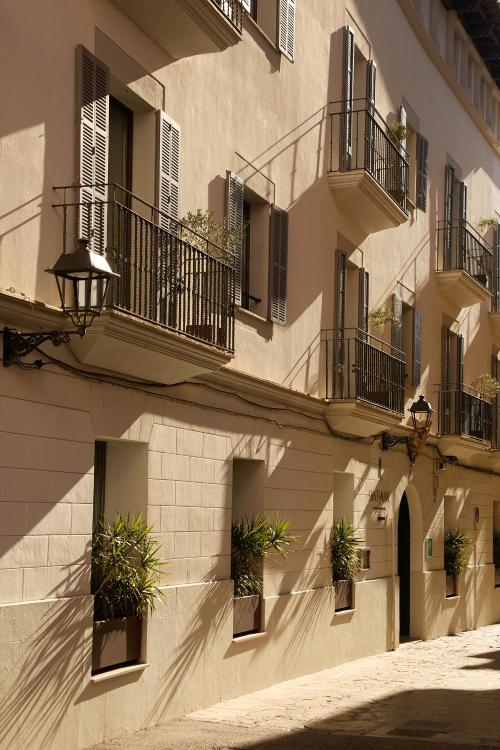
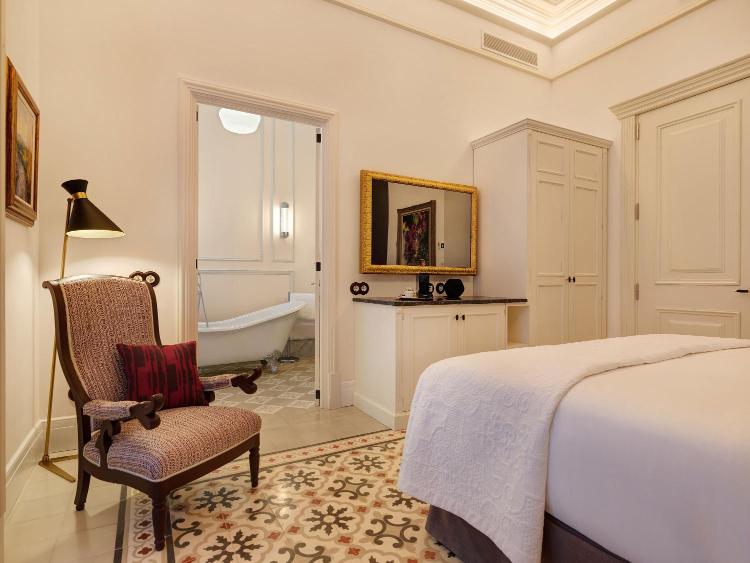
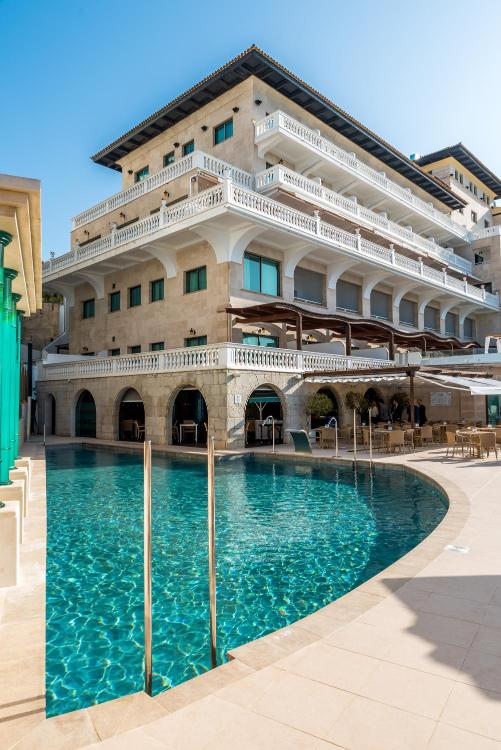
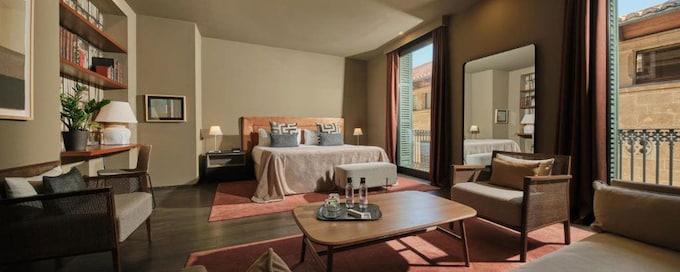
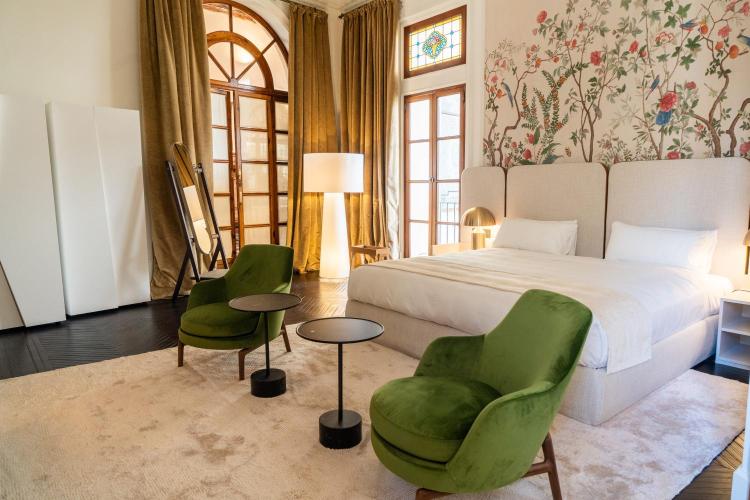
A 19th-century bijoux palace converted into an intimate four-star hotel, Art Hotel Palma fills its rooms with fine art and antiques that give the property the atmosphere of a private collector's residence. The location on La Rambla places guests steps from Plaza Major's shops and restaurants. Despite the sophisticated décor, families are welcomed—complimentary cots and extra beds available for children.
Palma de Mallorca Travel Guide: Best Hotels, Restaurants & Experiences 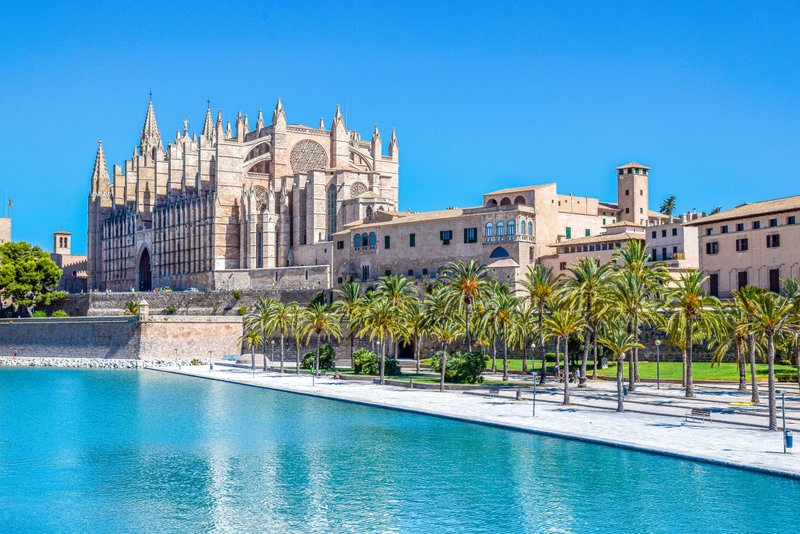
Explore Palma
Hotels (10)
Restaurants (9)
Where to Stay

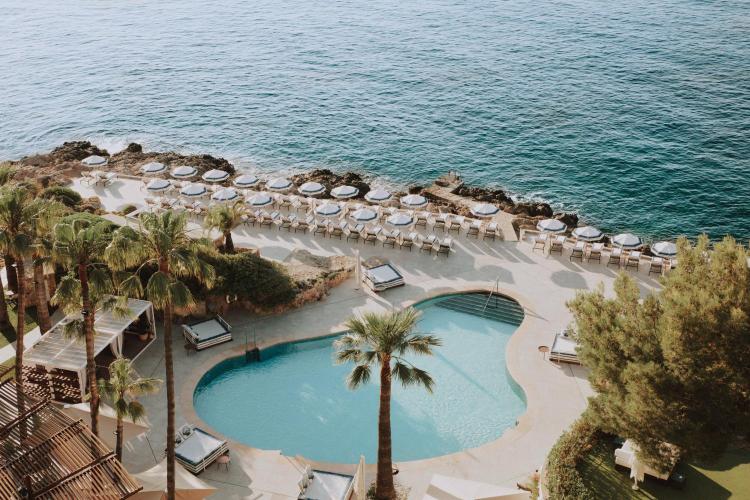
Perched on a hilltop above Illetas with views stretching across the Mediterranean, this family-owned four-star resort balances romance and family life with equal finesse. A private sandy beach doubles as a setting for candlelit dinners, while children disappear into a summer club packed with swimming lessons and crafts. Heated and saltwater pools, a full spa, and tennis courts complete the picture.

An 18th-century mansion restored to five-star refinement, Boutique Hotel Sant Jaume sits between a Gothic church and the Santa Magdalena convent in Palma's historic quarter. Generous rooms come with signature scents as parting gifts, while suites add private terraces and complimentary airport transfers. Families find ease here too, with babysitting arranged on request—a polished base for exploring the old town on foot.

Positioned on a quiet square against Palma's medieval walls, Calatrava commands sweeping views across the bay while keeping La Seu Cathedral and Can Pere Antoni beach within easy walking distance. The intimate property balances its historic quarter setting with practical family amenities—suites with sofa beds, pushchair rental, nearby playground—making it equally suited to couples seeking old-town atmosphere and parents traveling with young children.

Gran Meliá de Mar commands a privileged stretch of southwest Majorca's coastline, its lush gardens cascading toward a private beach cove. The adults-only policy—welcoming guests fifteen and older—ensures a hushed, refined atmosphere across three restaurants, multiple pools, and a Clarins spa. Couples and solo travelers seeking Mediterranean tranquility without family commotion will find this seaside retreat particularly suited to extended stays.

This sixteenth-century mansion on Carrer Sant Jaume has been restored with evident care, its original architectural details—stone arches, carved ceilings—intact beneath a contemporary polish. The atmosphere suggests a private residence rather than a hotel, intimate and unhurried. A rooftop solarium with whirlpool overlooks the old town, while the basement spa offers proper retreat. Families find genuine welcome here, with a duplex suite and a kitchen attentive to younger palates.

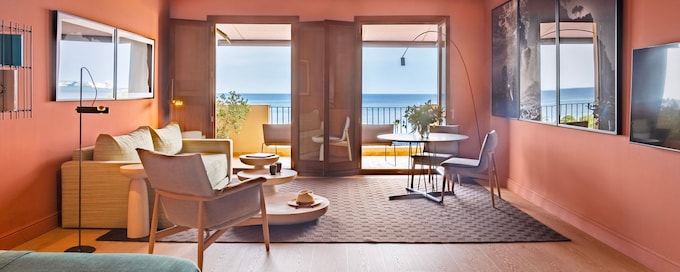
Parisian designer Jacques Grange left his signature on this Plaça de Cort address, filling its interiors with theatrical colour and bold flourishes. A rooftop pool surveys the historic square below, while a private cinema and spa round out the amenities. Families find particular appeal here: twelve interconnecting rooms, complimentary cots, and babysitting services make traveling with children remarkably manageable.

A grande dame of Mallorcan hospitality, Hotel Nixe Palace commands an exclusive beachfront position in Cala Major, its terraces stepping down to the Mediterranean. The old-school five-star maintains a reassuring formality—three restaurants, twin pools, and a full-service spa—while a dedicated children's club running daily makes it equally suited to families seeking polished seaside tradition just minutes from Palma.

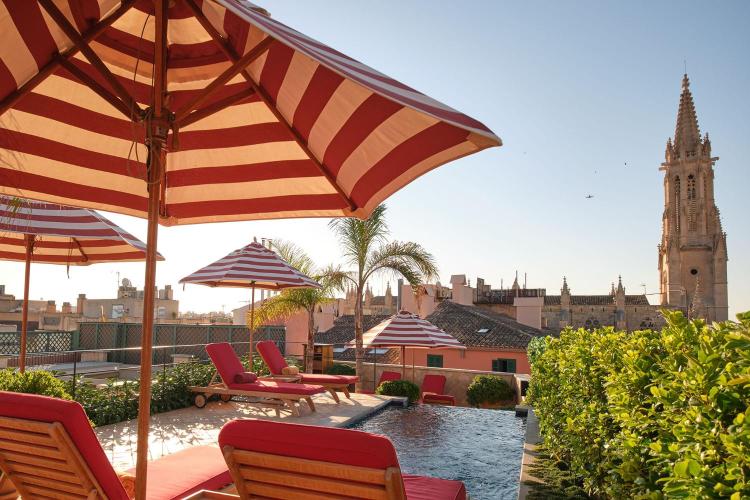
A Renaissance palace on Calle Sant Feliu now operates as an intimate adults-only retreat, its aristocratic bones intact beneath contemporary polish. Twin sun-drenched terraces punctuate the vertical journey to a rooftop pool surveying Palma's cathedral spires and terracotta sprawl. The kitchen pursues an Asian-Latin fusion agenda that draws well-heeled locals alongside hotel guests seeking refuge from the old town's narrow streets.

A sixteenth-century palace converted into an intimate five-star retreat, Palacio Ca Sa Galesa occupies a prime position in Palma's Gothic quarter, steps from the soaring La Seu Cathedral. Guests enter through a gated courtyard that screens the property from the old town's bustle. Families find thoughtful provisions here, including a babysitting service with the charming touch of bedtime lullabies.
Where to Eat

★ Michelin
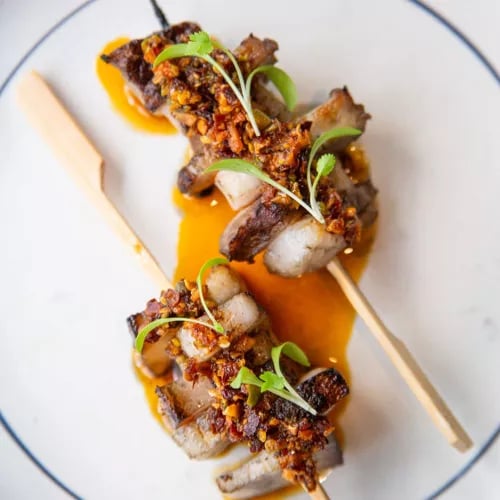
Chef Santi Taura has built his reputation on rescuing ancestral Mallorcan recipes from obscurity, reimagining them through a contemporary lens while honoring native ingredients above all else. His eleven-course Origens menu shifts with the seasons, each dish a window into island tradition. Before service begins, Taura circulates through the dining room, greeting guests personally—a ritual that sets the intimate tone for the Michelin-starred evening ahead.

★ Michelin
British chef Marc Fosh made history as the first from his country to earn a Michelin star in Spain, and his eponymous restaurant within a converted 17th-century seminary continues to justify the accolade. The minimalist dining room and courtyard terrace showcase seasonal Mediterranean plates built from produce grown at the restaurant's own Finca Son Mir. His signature mini oven-baked rabbit and snail stew captures the island's rustic soul with refined technique.

★ Michelin
Chef Fernando Pérez Arellano's one-Michelin-starred Zaranda occupies a former tannery in Palma's old quarter, its original dyeing tanks visible through glass floors beneath diners' feet. The space unfolds across themed rooms—Guild Hall, Saddler's Corner, Tanner's Dining Room—each referencing the building's artisan past. Three tasting formats range from six to eighteen courses, showcasing Mallorcan ingredients alongside Arab-inflected pickled appetisers in precise, textural compositions.

Michelin Selected
Perched above Cala Blava, La Fortaleza commands one of Mallorca's most dramatic dining settings—a rooftop terrace where summer evenings unfold against panoramic coastal views. The kitchen channels island traditions through two creative tasting menus, each dish a refined interpretation of Mallorcan ingredients. This is destination dining in its purest form: elegant, unhurried, and worth the drive from Palma.

Michelin Selected
Overlooking the old Torrent de Sa Riera canal bed, Adrián Quetglas brings a cosmopolitan sensibility to Palma's dining scene. The Argentine-born chef channels years spent in London, Paris, and Moscow into tasting menus that anchor Mediterranean tradition with global inflections. A vertical garden and soft jazz lend the bistro-style room an easy sophistication, while optional supplements of pigeon, caviar, or cheese allow guests to customize the five- or eight-course progression.

Michelin Selected
Andreu Genestra's cooking draws deeply from Mallorcan tradition while pushing toward contemporary expression, with ingredients sourced partly from the restaurant's own urban vegetable garden. Evening service offers two tasting formats—Aromata and Sentits—each available with an optional cheese course. The botanical garden-terrace and the sculptural interiors of HM Palma Blanc hotel provide a fitting backdrop for this ambitious island table.

Michelin Selected
Restored stone walls and an open kitchen set the scene at this rustic address near Palma's Convento de la Concepció. The Mediterranean-leaning menu pivots on pristine seafood—grilled wild turbot demonstrates the kitchen's exacting standards—while seasonal suggestions and daily catches keep regulars returning. A second dining room offers quieter refuge, though the counter seats overlooking the pass remain coveted.

Michelin Selected
Two brothers run this convivial Mediterranean address on Sant Jaume, where wine barrels double as tables across two intimate floors. The format splits between a ground-floor wine shop pouring local bottles alongside tapas and a proper dining room upstairs. Expect honest cooking rooted in seasonal produce, served without ceremony—a neighborhood spot that happens to hold a Michelin plate.

Michelin Selected
Beneath a sprawling octopus mural and layers of genuine street art, chef Jonay Hernández channels his Canary Islands roots into what he calls new Canarian cuisine. The Michelin-recognized kitchen weaves Mediterranean traditions with American and Mexican accents, showcasing recipes inherited from his mother alongside pristine local seafood. An urban, art-filled setting that rewards fish lovers seeking something beyond conventional Spanish fare.

Michelin Selected
Chef Abraham Artigas runs this compact Palma bistro with a singular focus: Mediterranean cooking sharpened by international inflections, served in sharing-sized portions. The gnocchi with cockles and bottarga has earned permanent menu status, while scarlet shrimp with ham and lime showcases the kitchen's confident hand. A wine-only policy—small producers, no beer or coffee—keeps the atmosphere spirited and uncluttered.
Frequently Asked Questions
Which neighborhoods in Palma offer the best hotel locations?
+
The old town — particularly Sa Calatrava and La Lonja — offers converted historic buildings within walking distance of the cathedral and port. Santa Catalina provides a more contemporary feel with easier restaurant access, while Portixol suits those wanting a quieter seaside atmosphere just minutes from the center.
What is the local dining style in Palma de Mallorca?
+
Mallorcan cuisine builds on Catalan traditions with island-specific ingredients: sobrassada (cured pork sausage), ensaïmada pastries, and tumbet (layered vegetable dish). Contemporary restaurants often reinterpret these staples, and the local wine appellation Binissalem appears increasingly on serious wine lists throughout the city.
When is the best time to visit Palma for fewer crowds?
+
Late April through early June and September through October offer warm weather, open-air dining, and significantly fewer visitors than the peak summer months. Many locals consider autumn the finest season, with swimming still possible and the summer intensity subsided.
Nearby Destinations
Explore Spain




Palma
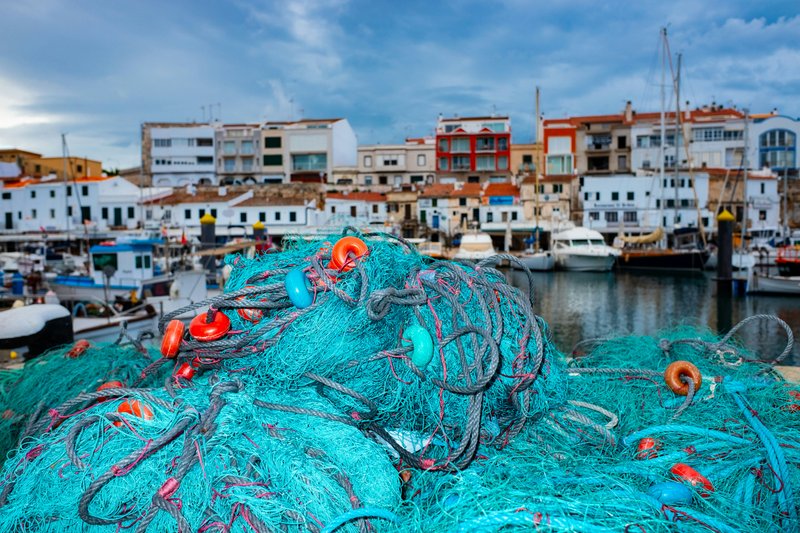
The capital of the Balearics unfolds from its Gothic cathedral down to the yacht-lined port, a city where thirteenth-century merchant wealth left behind honey-stone palaces now converted into discreet hotels. The old town's labyrinthine streets — Carrer de Sant Feliu, Carrer de la Portella — hide courtyard restaurants behind heavy wooden doors. Beyond the historic core, Santa Catalina draws a younger crowd to its grid of tapas bars and natural wine spots, while the Paseo Marítimo stretches west toward the hillside suburb of Portixol, once a fishing village, now home to boutique guesthouses with direct sea access.
Mallorcan dining reflects decades of northern European influence layered over Catalan foundations: expect sobrassada in unexpected contexts, tumbet alongside modern technique, and local wines from Binissalem gaining ground on menus. The city's hotel scene ranges from converted Renaissance mansions in Sa Calatrava to contemporary beachside properties along Playa de Palma. Rooftop terraces with cathedral views have become standard currency; the better establishments earn their reputation through discretion rather than spectacle.