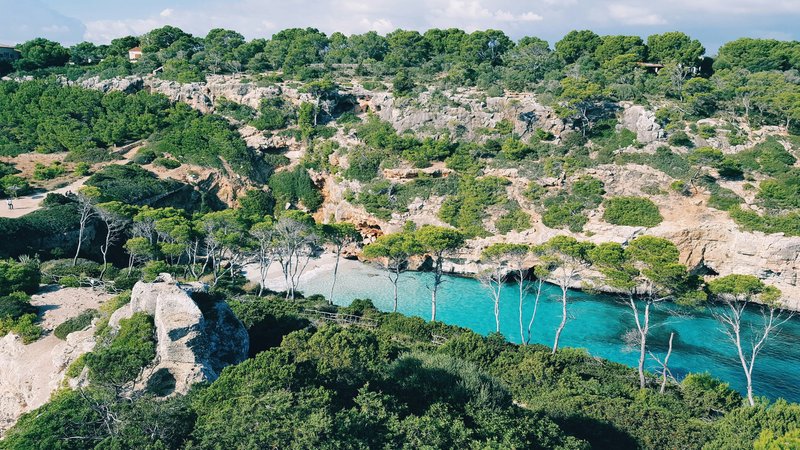
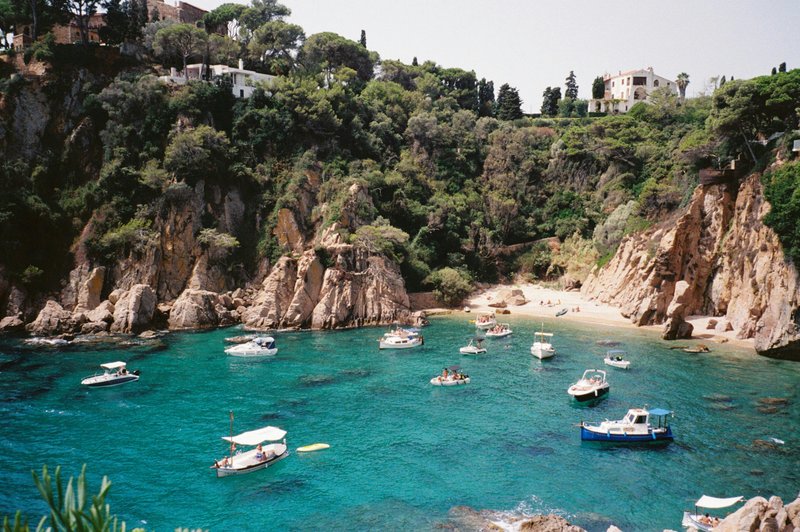
A former military base crowning Menorca's southern cliffs, Cap Menorca scatters fifteen suites across 75 acres of planted pine forest and century-old olive groves. Each retreat hides behind traditional dry-stone walls, opening onto a private saltwater pool sized for actual swimming. Interiors channel the island's whitewashed fincas—terracotta floors, mahogany details, emerald-tiled bathrooms. Yacht excursions reveal secret coves; cliff-top massages frame the Mediterranean below.
Explore Menorca
Where to Stay
Four historic palaces dating from the 16th to 18th centuries form this Relais & Châteaux property in Ciutadella's old town, their original vaulted ceilings and wrought-iron details refined by Olivia Putman's minimalist touch. The spa occupies an ancient grotto, its stone-walled indoor pool a striking counterpoint to sun-drenched courtyard terraces. Beyond the city, the hotel's 15-hectare pine forest retreat and chartered yachts extend the Menorcan experience to secluded coves.
Centuries-old sandstone farm buildings crown a hilltop on Menorca's wild north coast, their original wooden beams and limewashed walls now framing eleven serene rooms. The 800-hectare estate unfolds toward Cala Calderer beach via coastal trails, while two infinity pools survey the sweeping countryside. A seafood restaurant draws from the property's own orchards and gardens, grounding the experience in this particular landscape.
An 18th-century Menorcan manor restored over three years with original lime, clay, and local marès sandstone anchors this 200-hectare estate near Ciutadella. Thirty-four suites feature private gardens, exposed beams, terracotta floors, and deep soaking tubs. An oval pool ringed by white roses and lavender offers a meditative centerpiece, while Restaurant Vermell delivers lobster stew and fresh pasta with local mozzarella. A coastal trail leads to a semi-private cove.
Eight years of restoration transformed this 19th-century Menorcan finca into a refined agriturismo where vineyards sweep toward Mediterranean views. The estate's own olive oil, vegetables, and wine supply a restaurant helmed under Michelin-starred guidance, its kitchen installed in the original storeroom. A saltwater infinity pool fringed by olive trees anchors the grounds, while the hotel boat Talatí ferries guests to secluded southern coves.
A 16th-century fortified watchtower anchors this bohemian 17-room finca, where restored sheepfolds and cave suites with private pools scatter across 200 hectares of vineyards and olive groves. Mornings begin with yoga among the vines; evenings unfold at a cliff-edge alcove for sunset aperitifs before dinner at Siempreviva, where estate olive oil and garden vegetables meet local caldereta de langosta. Guests access Santa Ponsa's subterranean spa for Susanne Kaufmann treatments.
A Georgian-era mansion on Mahón's Carrer d'Isabel II, Can Alberti 1740 retains the proportions of aristocratic living: suites occupy former drawing rooms, furnished with antiques alongside contemporary pieces. The fourteen rooms each follow their own aesthetic logic. Evenings migrate to the rooftop terrace for sunset views, while a wine cellar and nearby tours appeal to oenophiles exploring the island at an unhurried pace.
A 1777 aristocratic finca wrapped in century-old holm oak forest, Rural Sant Ignasi channels the Minorcan philosophy of 'poc a poc'—living slowly. Limestone walls, exposed beams, and green-shuttered windows frame rooms where some open onto private garden terraces. Chef Miquel Sánchez's restaurant Smoix showcases seasonal island produce, while mornings might begin with yoga before tennis or the shaded pool. Ciutadella lies minutes away.
Architect Álvaro Sans transformed an existing coastal property into Menorca's first five-star hotel, achieving near carbon neutrality without sacrificing grandeur. White stone archways frame the Mediterranean from 159 rooms, while two seafood restaurants showcase the day's catch against crashing waves. A sunlit spa with Turkish bath and sauna complements the dual-pool system—adults-only rooftop for couples, separate facilities for families traveling with children.
A restored 18th-century farmhouse minutes from Mahón, Sant Joan de Binissaida operates as a working agricultural estate producing olive oil and cultivating vegetables that supply its kitchen. The 15 rooms embrace authentic Minorcan style—dark wood furniture, jute rugs, wicker headboards—with converted stables offering private gardens. Dining draws on garden-grown produce and eggs from resident hens, served outdoors beneath star-filled skies. Walking paths lead directly to the rugged east coast.
Where to Eat
Chef Julián Mármol's Godai occupies a prime terrace within Lago Resort Menorca, where diners overlook the marina while exploring his inventive Japanese-Menorcan repertoire. The fusion approach draws on island ingredients and precise Japanese technique, earning a Michelin Plate distinction. A striking choice for travelers seeking high-end gastronomy with Mediterranean atmosphere and Asian refinement on a single plate.
Overlooking the moorings of Club Marítimo, El Rais draws both locals and visitors to its waterfront terraces for rice dishes that have become the kitchen's signature. Owner-chefs Marco Antonio Collado and Oriol Castel interpret Menorcan tradition through a contemporary lens, turning out arroz de senyoret, squid-ink black rice, and Iberian pork pluma with Triguero asparagus. Reservations are essential.
Facing the Santa María de Mahón church, this intimate address reflects the vision of an Italian-born couple who source directly from local fishing boats and farms. Their entirely gluten-free kitchen channels Menorcan terroir through Mediterranean lenses, with passatelli made from a family recipe substituting island cheese for parmesan. Several tasting menus—Mar de la Isla, Huerta Gourmet—allow guests to explore the seasonal repertoire.
A former picnic ground from the 1960s transformed into a country house restaurant south of Sant Lluís, Sa Pedrera d'es Pujol has been shaped over two decades by chef Daniel Mora and hostess Nuria Pendás. The kitchen delivers traditional Menorcan cooking with contemporary inflections, anchored by a dedicated rice section that draws regulars. An international wine list complements the regional focus.
A converted Menorcan country house surrounded by its own olive groves, vegetable gardens, and grazing lambs, Santa Mariana practices farm-to-table dining with quiet conviction. The à la carte spans vegetables, seafood, rice, and pasta, while the set menu El Renacer interprets local tradition through Mediterranean technique. A special lobster menu rewards advance planning; the sun-dappled terrace rewards lingering.
Chef Miquel Sánchez helms this Mediterranean table housed within an 18th-century aristocratic estate adjacent to the Sant Ignasi hotel. The converted jewellers' factory retains rustic bones beneath contemporary industrial touches, creating an unexpected backdrop for traditionally rooted cuisine. Two tasting menus—Smoix and Vegetal—showcase the kitchen's range, with the beef onglet, finished with confit shallot and herbs, demonstrating particular mastery of texture and depth.
A 17th-century finca amid vineyards provides the setting for chef Gorka Txapartegui's creative European cooking, which draws heavily on Menorcan ingredients and local culinary traditions. The Michelin Plate holder delivers contemporary dishes on a tranquil terrace overlooking the countryside, with an infinity pool and manicured gardens completing the pastoral scene. Ideal for unhurried lunches or romantic evening dining.
A two-century-old house on the approach to Es Migjorn Gran sets the stage for Ca na Pilar's rustic-contemporary dining room. The kitchen takes a straightforward approach, letting market-fresh Menorcan ingredients shine through French-inflected preparations. An outdoor patio-terrace, reserved exclusively for evening service, offers the most atmospheric seating. The surf and turf carpaccio with scallops delivers an unexpected, satisfying counterpoint to the island's traditional fare.
Facing Mahón's lively Mercat des Peix, Candela channels the energy of the fish market into Mediterranean plates inflected with global accents. The kitchen revisits Menorcan classics—escarole buñuelos riff on traditional raoles—while desserts like the hazelnut praline chantilly cannelé close meals with quiet flourish. A shared terrace with sibling tapas bar Augustin extends the casual, market-driven spirit into evening.
Fornells' whitewashed dining room draws seafood devotees to Es Cranc for one legendary dish: the caldereta de langosta, a rich lobster stew that has earned this address its reputation across Menorca. The kitchen extends its expertise to rice dishes and seafood preparations built on impeccable ingredients. Bibs are provided without ceremony—a practical touch that speaks to the gloriously hands-on nature of the cooking.
What to Do
Ancient caverns beneath Ciutadella's historic quarter shelter this 1,000-square-foot sanctuary, where an indoor pool carved from natural stone anchors the subterranean space. Therapists draw on Menorcan botanicals—sea salt, citrus, clay, island flowers—for treatments that can extend outdoors to the pine-shaded grounds of Casa de Pau. A hammam and sauna complete the grotto-like retreat within a four-palace estate.
Frequently Asked Questions
When is the best time to visit Menorca?
+
May through June and September through October offer warm weather, swimmable seas, and fewer crowds than the July-August peak. Spring brings wildflowers across the countryside and comfortable temperatures for hiking the Camí de Cavalls. The Tramuntana wind can make northern beaches rough in winter, though the season suits those seeking solitude and lower rates.
What are the main areas to stay on the island?
+
Mahón and its surrounding area provide easy access to the airport and a sophisticated dining scene around the harbor. Ciutadella offers historic architecture and proximity to popular southern beaches. The south coast between Son Bou and Cala Galdana concentrates most resort properties, while inland fincas near Es Mercadal suit those wanting rural quiet and access to Monte Toro's panoramic views.
How does Menorca differ from Mallorca and Ibiza?
+
Building regulations introduced after the 1993 Biosphere designation prevented the high-rise development seen elsewhere in the Balearics. The island has no motorways, limited nightlife, and a largely agricultural interior. This regulatory approach attracted a different visitor profile — families, nature enthusiasts, and those seeking the Mediterranean as it existed before mass tourism transformed the Spanish coast.
Nearby Destinations
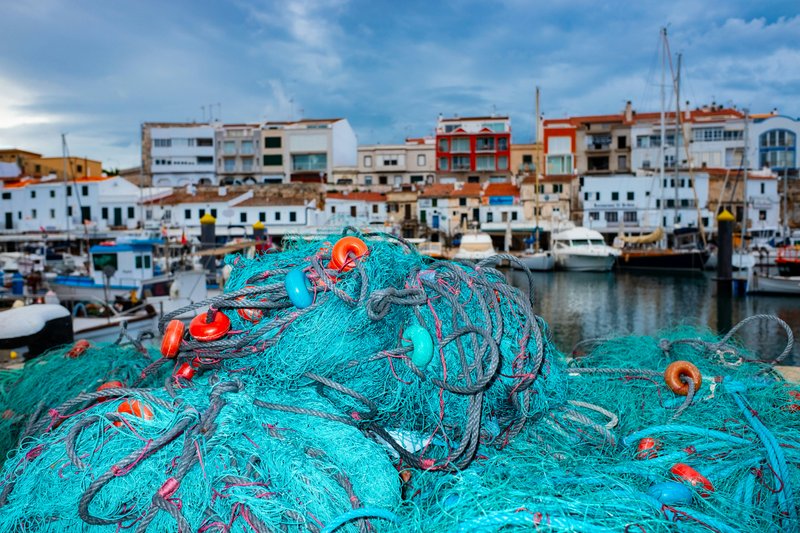
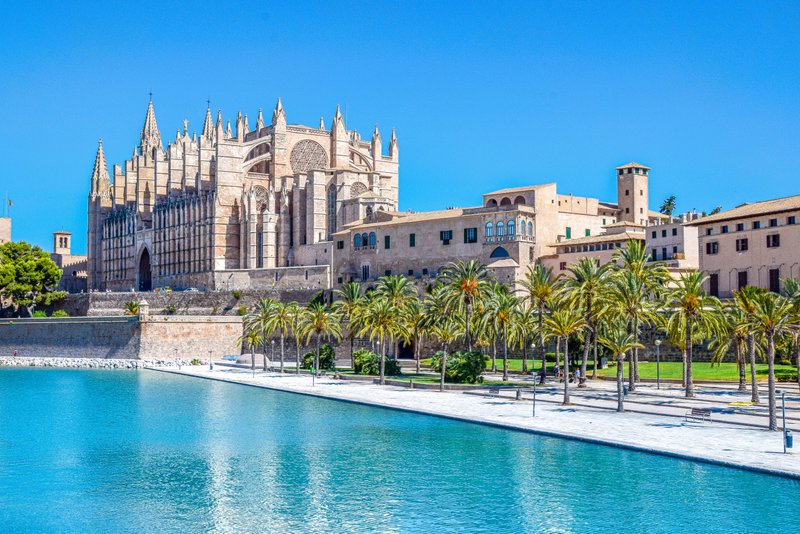
Explore SpainThe second largest of the Balearic Islands maintains a quieter identity than its neighbors. Declared a UNESCO Biosphere Reserve in 1993, the island preserves its archaeological talayotic settlements, dry-stone walls crossing pastoral farmland, and a coastline of over a hundred beaches ranging from broad sandy stretches to rocky calas accessible only by foot. Mahón's deep natural harbor — one of the Mediterranean's largest — anchors the eastern end, while Ciutadella's sandstone cathedral and aristocratic palaces dominate the west.
The island's hotel scene concentrates along the southern beaches and within converted country estates inland. Dining draws heavily on local production: Mahón cheese with its Protected Designation of Origin, lobster stew from Fornells, gin distilled in Mahón since the British occupation, and seasonal vegetables from the fertile central plain. The Camí de Cavalls coastal path circles the island's 185-kilometer perimeter, passing through pine forests, wetlands, and isolated coves that remain unchanged since the Carthaginians first established trading posts here.