The Pizzinini family's 1939 mountain lodge reborn under Aman's stewardship, with architect Jean-Michel Gathy layering weathered wood and raw stone against modernist restraint. Ski Butler service and a dedicated lounge position it perfectly for Alta Badia's slopes, while the 1,700-square-metre spa—heated infinity pool facing the Dolomites, altitude-calibrated treatments—rewards après-ski hours. Il Salotto's panoramic dining and the intimate Di Vino Room complete the alpine immersion.
Where to Stay
Ski-to-door access places guests directly on the slopes beneath the Sella massif at this family-run retreat in Colfosco. Corridors double as an art gallery showcasing paintings and sculptures collected by the owners, while the spa's outdoor terrace frames the Dolomite peaks. Two heated pools—indoor and al fresco—complement Mediterranean cuisine sourced from the property's kitchen garden.
A classic South Tyrolean lodge in the alpine village of Corvara, La Perla delivers old-fashioned hospitality against the dramatic Dolomite peaks. Rustic wood-furnished rooms and timber-ceilinged dining rooms lined with bottles from a four-thousand-vintage cellar set the tone. An indoor-outdoor pool, Turkish baths, and saunas complement winter skiing and summer hiking, while an unexpected motorcycle museum adds eccentric charm.
Clean modernist lines meet knotty pine paneling and abstract cowhide-inspired rugs across twenty-four apartment-style residences, each with full kitchens and panoramic windows capturing the Dolomite peaks. The recovery-focused spa—complete with hammam and sauna—targets post-ski restoration, while a partner restaurant delivers directly to rooms, ideal for travelers seeking Alpine warmth without sacrificing contemporary sophistication.
Three generations of the Wieser family have shaped this tribute to Ladin heritage, where raw larch and pine paneling frames views of the Dolomites and local artisans craft every furnishing by hand. Restaurant la Siriola showcases Matteo Metullio's mountain-inspired cuisine, while a chocolate room with Venezuelan fountain rewards après-ski indulgence. The Armentarola lift sits just 100 meters from the door.
Encircled by the Sellaronda ski loop, Hotel Sassongher delivers Alpine hospitality through a Tyrolean lens—think wood-panelled Stuben dining rooms, an indoor pool for après-ski decompression, and a piano bar where evenings wind down over digestifs. Families find practical comforts in connecting rooms and dedicated children's facilities, while the spa addresses tired muscles after long days on the slopes.
Modern Alpine architecture clad in warm wood rises dramatically above the Ladin village of Badia, its 33 rooms and suites opening onto mountain-facing balconies with select accommodations featuring private saunas. The rooftop spa commands the finest views—an infinity pool framed by Dolomite peaks. Adults-only and design-forward, Badia Hill pairs minimalist interiors with serious gastronomy at Porcino, its gourmet restaurant reflecting the owners' wine expertise.
A classic Alpine lodge meets its chic contemporary counterpart at this 48-room boutique property in Val Badia, where floor-to-ceiling windows pull the Dolomite panorama into every space. Winter guests step out to Alta Badia's ski lifts within minutes; year-round, a substantial spa complex—sauna, steam room, Turkish bath, indoor and outdoor pools—rewards the active. Evening dinners unfold beside a wood-burning fireplace, wines drawn from the hotel's own cellar.
Blond wood and cloud-white linens define the twenty rooms of this San Cassiano retreat, where clean-lined Alpine modernism delivers warmth without austerity. A spa with sauna and jacuzzi rewards après-ski muscles, while the kitchen applies Italian precision to mountain ingredients. Skiers, hikers, and cyclists will find the Dolomites doorstep location ideal, with pet-friendly policies extending the welcome to four-legged companions.
Where to Eat
Inside La Perla hotel, near Corvara's church, a wood-paneled Ladin stube sets an intimate stage for chef Simone Cantafio's one-starred cuisine. His Calabrian heritage and formative years in Japan converge in vegetable-driven plates that shift fluidly between Mediterranean warmth and Asian precision. The restaurant honors Michele Costa, a towering figure in Dolomite hospitality, and suits couples seeking a romantic mountain dinner with genuine creative ambition.
Glass walls frame the Dolomite panorama at this one-starred table inside Badia Hill hotel, where chef Marco Verginer crafts two distinct tasting menus. One follows the seasons; the other channels pure creative instinct, threading Alto Adige Wagyu and garden vegetables through dishes that drift between mountain tradition and Mediterranean brightness. The cooking is elaborate yet grounded, suited to travelers seeking alpine gastronomy with technical ambition.
Beneath the dramatic peaks of the Sella massif, Hotel Cappella's kitchen garden supplies herbs and produce for refined Mediterranean plates with creative regional inflections. The dining room doubles as an informal gallery, corridors lined with paintings and sculptures the owning family collected abroad. Vegetarian and vegan options receive equal attention, making this a versatile table for travelers seeking mountain gastronomy with artistic surroundings.
Italian foundations meet French inspiration at this ambitious Corvara address, where the kitchen takes creative liberties with occasional exotic ingredients to craft dishes that surprise without overwhelming. The five- and seven-course tasting menus offer a structured path through the repertoire, making this a compelling gastronomic stop for travelers seeking refined mountain dining beyond the traditional rifugio fare.
Beneath the Ciasa Salares hotel, a vaulted wine cellar sets the stage for globally-inspired grilling. The name itself—cocun, Ladin for cork—signals the restaurant's vinous focus: bottles line the stone walls, and the selection runs deep. The kitchen draws ingredients from distant corners, applying open-flame technique to craft dishes that reward adventurous palates seeking substance alongside altitude.
Reaching KELINA requires a scenic ascent via the Boè cable-car from Corvara—or a ski descent for the athletically inclined. The reward: a minimalist dining room where floor-to-ceiling glass frames the Sassongher, Santa Croce, and La Varella peaks. The contemporary kitchen pairs Alpine ingredients with seafood, as in red prawns brightened by scampi mayonnaise and sea asparagus sorbet. Lunch service only.
Wood-clad minimalism and floor-to-ceiling bottles set the stage at this contemporary address on Strada Sassongher, where windows frame glimpses of Dolomite peaks. The kitchen takes a creative approach, weaving Alto Adige ingredients with produce from further afield into dishes that reward curiosity. A deep list of natural wines completes the picture for travelers seeking substance over spectacle.
Beneath the dramatic peaks of the Sella massif, Bistrot La Perla charts a creative course through Italy's regional kitchens, moving fluidly from alpine traditions to Mediterranean seafood. The Michelin-recognized kitchen delivers excellent fish preparations alongside dishes that showcase ingredients from the country's diverse culinary map, all served in a warm Ladin chalet atmosphere where mountain hospitality shapes every meal.
Corvara's original mountain refuge maintains its authentic Tyrolean soul through wood-panelled parlours, folk antiques, and a warming stove that has drawn skiers and climbers for generations. The Costa family oversees a kitchen where traditional Ladin cuisine receives occasional contemporary touches, earning a Michelin Plate distinction. With only thirteen intimate rooms above, dinner here feels like a private Alpine homecoming.
An 18th-century farmhouse deep in the woods of Alta Badia, Maso Runch-Hof serves a single tasting menu of Ladin home cooking in traditional Stube dining rooms lined with aged wood. The generous portions — cajinci t'ega spinach ravioli, slow-cooked pork ribs with polenta, apple strudel — arrive alongside wines drawn exclusively from Alto Adige vineyards. A meal here feels like stepping into another century.
What to Do
Spreading across 14,000 square feet of outdoor terrain beneath the Sella massif, Cappella Spa orchestrates alpine wellness on a grand scale. An artificial lake anchors the grounds, while a heated outdoor pool maintains 86°F year-round. Inside, the Sky Room offers horizontal contemplation of Dolomite peaks, complemented by saunas, hammam, and treatments using natural products that mirror the mountain environment.
Frequently Asked Questions
What is Ladin culture and how does it shape Alta Badia?
+
Ladin is a Rhaeto-Romance language and culture native to five Dolomite valleys, including Alta Badia. Its influence appears in local place names, traditional wooden architecture, folklore festivals like the summer Ciaulonch celebrations, and a cuisine featuring dishes such as cajincì (stuffed pasta) and crafìns (fried pastries). Many families speak Ladin alongside Italian and German.
Which villages in Alta Badia have the best dining options?
+
San Cassiano hosts the highest concentration of acclaimed restaurants, while Corvara offers a broader range from casual pizzerias to refined hotel dining rooms. La Villa and Colfosco provide excellent rifugio-style mountain restaurants accessible by ski or chairlift during winter months.
How does Alta Badia connect to the larger Dolomiti Superski area?
+
The valley integrates directly into the Sella Ronda circuit, a 40-kilometre loop around the Sella massif linking four Dolomite valleys. From Corvara and Colfosco, skiers access the full Dolomiti Superski network spanning twelve resort areas without removing skis, making it one of the world's most extensive lift-linked systems.
Nearby Destinations
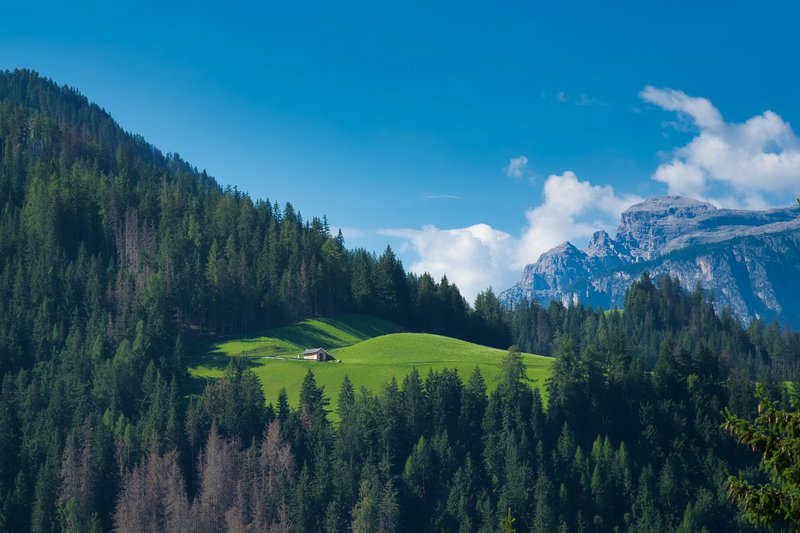
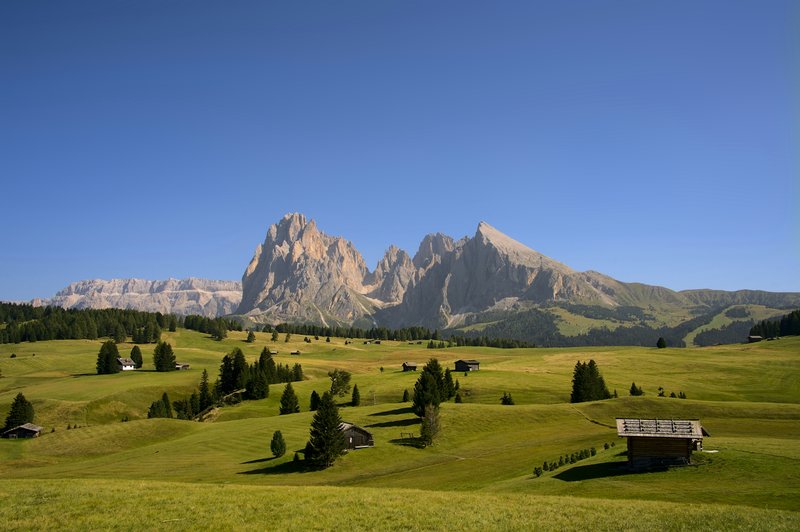
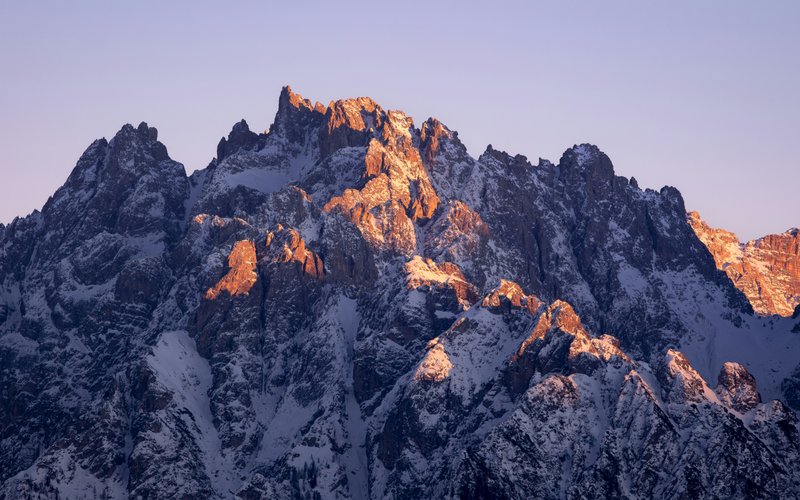
Explore ItalyAlta Badia occupies a privileged position in South Tyrol's Ladin valleys, where six villages — Corvara, Colfosco, La Villa, San Cassiano, Badia, and La Val — scatter across meadows beneath the pale limestone towers of the Sella massif. The region's identity is distinctly Ladin, a Rhaeto-Romance culture preserved in language, woodcarving traditions, and a cuisine that draws equally from Austrian and Venetian influences. Summer brings hikers to trails threading through UNESCO-protected peaks; winter connects the valley to the Dolomiti Superski circuit's 1,200 kilometres of pistes.
The hospitality here tends toward family-run establishments passed through generations, many combining traditional Stube dining rooms with contemporary wellness facilities. San Cassiano and Corvara concentrate most of the refined dining options, including a notable density of Michelin-starred restaurants for an alpine valley. After-ski culture remains convivial rather than raucous — think vin brulé on sun terraces, not thumping clubs. Local producers supply speck, mountain cheeses, and wild herbs that appear on menus from rifugio lunches to multi-course tasting dinners.