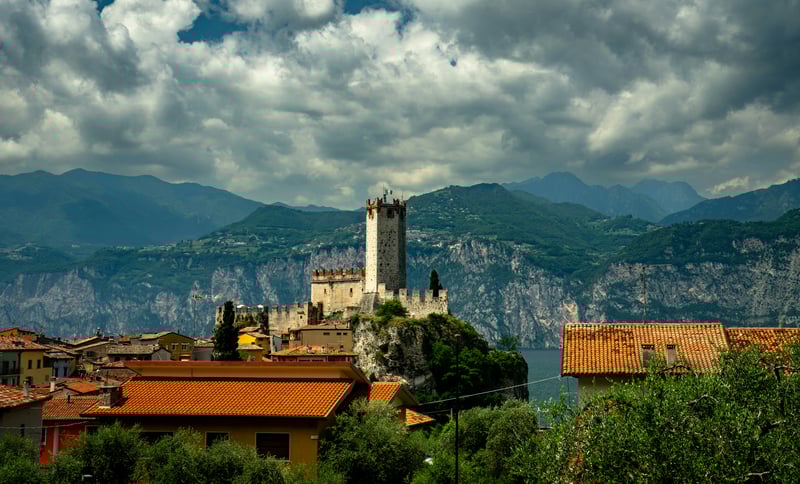
A 17th-century hunting lodge commanding dramatic views over the Adige Valley, Castel Fragsburg pairs twenty suites of Alpine elegance with an adjacent 14th-century castle reserved for private events. The pioneering Alchemistic Healing Spa draws on Tyrolean botanicals gathered by an in-house herbalist, while Prezioso restaurant holds a Michelin star for its refined regional cuisine. Five hectares of gardens descend toward a heated pool overlooking the mountains—ideal for travelers seeking restorative seclusion.
Where to Stay
An ornate Art Nouveau villa houses this adults-only retreat where medical wellness takes precedence over mere pampering. The longevity-focused spa combines therapeutic programs with hammam, sauna, and hot spring baths, while Eden's Park restaurant serves Tyrolean cuisine with robust vegetarian and detox menus. Twenty-nine suites—the smallest at 35 square meters—feature lavish bathrooms befitting a property dedicated to restoration.
A family-owned Tyrolean inn in the Senales Valley, Goldene Rose Karthaus pairs knotted pine interiors with refined Italian design sensibility. Glacier views unfold from private terraces, while the Karthauser Bad open-air sauna complex offers restoration beneath ancient pines. The restaurant marries Alpine and Mediterranean influences with wines from the cellar. Adventure seekers can trek with guides to the Ötzi discovery site or tackle surrounding peaks.
Set amid the orchards and peaks near Merano, this 60-room retreat channels contemporary Alpine design through clean lines and luminous interiors. The spa complex offers both sauna and Turkish bath, while twin pools—one indoor, one heated and open to summer skies—anchor the wellness offering. A tennis court and game room appeal to active travelers, and the landscaped garden provides a quiet counterpoint to days spent exploring South Tyrol.
Perched above Merano in the South Tyrolean mountains, this 74-room retreat balances serious wellness with genuine family appeal. Year-round heated outdoor pools, a natural swimming pond, forest bathing sessions, and an extensive sauna circuit cater to adults seeking restoration, while a dedicated Kids Club, children's cinema, and family spa with water slides keep younger guests entertained. Dogs welcome; the charming spa town lies minutes away.
Sprawling across lush gardens near Merano, this 160-room South Tyrolean resort devotes an entire wing to wellness—Turkish bath, jacuzzi, saunas, and treatment rooms feed into both indoor and outdoor pools. The Gourmetstube 1897 restaurant showcases regional mountain cuisine alongside Mediterranean dishes. Families find particular appeal here: a dedicated kids' club, tennis courts, and cycling routes through the Passeier Valley keep all generations occupied.
A 40-hectare alpine reserve near Merano shelters this retreat where wooden chalets and treehouses—built from moon-phase harvested timber—ring a glassy lake. Each accommodation stands deliberately apart, oversized windows dissolving boundaries between forest and interior. The Clubhouse anchors communal life: restaurant, spa, and a swimming pool extending toward the water. Dogs welcome, bikes on hand, Tesla chargers ready.
Reaching Vigilius Mountain Resort requires a seven-minute cable car ascent — the only access to this South Tyrolean retreat perched 1,500 meters above the valley floor. The architecture favors blonde wood, exposed timber, and heated clay walls that warm minimalist rooms, each opening onto terraces facing the Dolomites or Val d'Ultimo. A full-service spa offers traditional hay baths, while two restaurants explore the region's Alpine-Italian culinary traditions.
At 1,230 meters above Merano, this Dolomite retreat channels Scandinavian restraint through pine and oak interiors, floor-to-ceiling glass, and gabled rooflines that mirror the surrounding peaks. The infinity pool appears to float over the valley, while wellness facilities include a Japanese onsen, Finnish sauna, and Turkish bath. Three restaurants serve Austrian-Italian cuisine beneath panoramic Alpine views, and a vintage Alfa Romeo awaits for countryside excursions.
Dating to 1477, this intimate eight-room property in the German-speaking Dolomites pairs centuries-old stone walls with mid-century modern furnishings—a deliberate tension that feels neither nostalgic nor contrived. The building shares DNA with sibling hotels Schwarzschmied and Villa Arnica, all characterized by understated confidence. A serious restaurant and proximity to South Tyrolean wine country make it ideal for design-minded travelers seeking Alpine authenticity.
Where to Eat
Panoramic views sweep across Val Venosta through floor-to-ceiling windows at this two-Michelin-starred table where chef Gerhard Wieser applies Swiss precision to internationally inflected modern cuisine. His signature wood-fired red prawn tail, glazed and set atop a tripartite pea preparation with chorizo sauce, exemplifies the kitchen's technical mastery. Sommelier Ivana deepens the experience with bespoke pairings drawn from Alto Adige's finest cellars.
Chef Claudio Melis orchestrates an intimate culinary adventure at this one-Michelin-star table on Via Belvedere. The compact dining room, holding just a handful of guests, becomes a stage where Melis himself narrates each course—five, seven, or nine plates tracing a personal atlas from Alpine peaks to distant shores. Modern technique meets global inspiration in dishes that reward unhurried attention.
Four tables, more candles than covers, and sixteenth-century woodwork burnished to a warm glow—Luisl Stube distills romance into its most concentrated form. Chef Luis Haller holds a Michelin star for contemporary cooking that roots itself in Alto Adige terroir while reaching toward seafood and exotic accents. Two tasting menus, one vegetarian, invite diners to mix courses freely, while sommelier Nicola Spimpolo uncorks aged vintages that deepen each pairing.
A winding 5km forest road climbs to Castel Fragsburg, where chef Egon Heiss commands one of Italy's most dramatic dining terraces, suspended high above the valley. His single tasting menu draws from the castle's kitchen garden and surrounding mountain producers—char, trout, wild game—culminating in a signature two-course Val di Funes lamb: first a pink fillet with confit tomatoes, then herb-crusted shoulder over parsley polenta.
One Michelin star rewards the deeply regional cooking at this South Tyrolean table, where lamb from a neighboring farm and reinterpreted dumplings with morel mushrooms anchor four-to-six-course menus. Three cellars house two decades of Italian and Bordeaux vintages, with the maître-d' guiding guests through historic bottles. Excellent bread and refined desserts complete an evening suited to dedicated gastronomes.
Three generations of Trafoiers orchestrate this one-Michelin-starred table near Merano: Jörg welcomes, Kevin cooks with exacting technique, Natalie crafts the pastries. Vegetables arrive from the kitchen garden; meat and fish stay regional. Sommelier Sonya, 2022 Michelin Sommelier Award winner, navigates an exceptional cellar featuring magnums and double magnums. Lunch is bistro-casual; dinner reveals the full gastronomic scope.
Behind an Art Nouveau facade on via Galilei, chef-owner Andrea Fenoglio runs a one-Michelin-star dining room where sparkling chandeliers illuminate patterned floors and creative cuisine rooted in classical technique. His annual Settepiatti tasting menu arrives on custom ceramic tableware designed specifically for each iteration, while sommelier Arianna guides guests through considered wine pairings. Fenoglio himself moves between kitchen and tables, ensuring each service feels personally tended.
A 17th-century inn near Merano finds new expression under chef Christoph Huber, whose training in starred kitchens informs a creative approach to South Tyrolean cooking. Evening guests begin with aperitifs in the lounge before sitting down to tasting menus—vegetarian options included—built around local ingredients and refined freshwater fish. Lunch shifts to a relaxed gasthaus register, broadening the appeal.
A fifteenth-century mill on the Kränzelhof wine estate now houses this elegant dining room, where contemporary cuisine draws on the surrounding Alto Adige terroir. The kitchen works with rigorously sourced local ingredients, applying modern technique to regional produce with precision and restraint. Smart without being stiff, Miil suits wine-country lunches and unhurried evening meals alike, earning Michelin recognition for its consistent quality.
Tucked within the Oberwirt hotel near Merano, several intimate Stube dining rooms preserve the warm wood-paneled charm of traditional Tyrolean hospitality. The kitchen honors regional and seasonal ingredients through modern preparations, though fresh fish always finds a place alongside Alpine staples. An impressive wine cellar rewards those who linger, making this a compelling choice for travelers seeking authentic South Tyrolean gastronomy with polish.
What to Do
The world's first alchemistic spa draws on ancient herbal wisdom and forgotten teachings to craft treatments using South Tyrolean botanicals. Renate De Mario Gamper prepares each product from all-natural ingredients according to centuries-old recipes, while therapists design individual rituals for every guest. Four saunas and a heated 42-foot outdoor pool overlook twelve acres of gardens and the surrounding mountain peaks.
Frequently Asked Questions
What is the best area to stay in Merano?
+
The Kurhaus quarter along the Passerpromenade offers proximity to the thermal baths, gardens, and riverside cafes. For a quieter setting with vineyard views, the slopes above the town toward Tirolo provide excellent access while remaining within walking distance of the center.
When is the ideal time to visit Merano?
+
April through June brings apple blossom season and mild temperatures ideal for walking the Waalwege irrigation paths. September and October offer grape harvest festivities and the renowned Merano WineFestival, while winter draws visitors to the Christmas markets and nearby ski areas in Val Senales.
Is Merano suitable for non-German speakers?
+
Entirely. Italian is an official language alongside German, and English is widely understood in hotels and restaurants. The bilingual character adds cultural interest rather than creating barriers — you'll simply notice that locals switch between languages mid-conversation.
Nearby Destinations
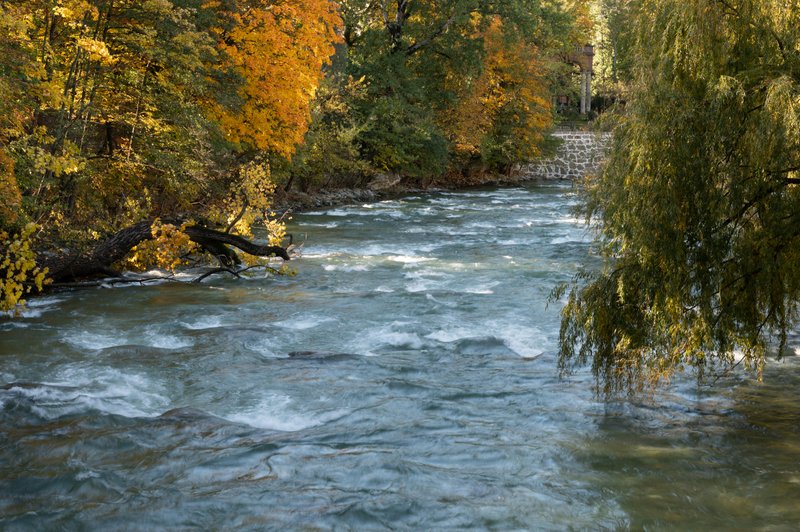
Explore ItalyMerano occupies a peculiar position in the Italian Alps: a Habsburg-era spa town where palm trees line promenades beneath snow-capped peaks. The Passirio River splits the town between the elegant Kurhaus quarter and the medieval streets around Via Portici, whose fourteenth-century arcades shelter artisan shops selling South Tyrolean textiles and local Schüttelbrot bread. This is bilingual territory — menus arrive in German and Italian, and the cultural overlay feels distinctly Mitteleuropean.
The dining scene reflects this duality. Traditional Stuben serve canederli and speck alongside Viennese pastries, while a newer generation of chefs applies alpine precision to contemporary European cooking. Evening aperitivo culture gravitates toward the Liberty-style buildings along the Passerpromenade, where cafe terraces face the botanical gardens of Trauttmansdorff Castle. The thermal tradition remains central — the town's identity was built on its curative waters, and the Terme Merano complex anchors the wellness offerings that draw visitors year-round.