


A Georgian country house reimagined with contemporary flair, Farnham Estate spreads across hundreds of acres of Cavan's lakes, woodlands, and rolling fields. The spa draws serious devotees, with pools and treatments reserved for guests sixteen and over. Families find space in interconnecting rooms accommodating up to three children, though the estate's appeal skews toward couples seeking restorative quiet amid wild Irish landscape.
Sligo Travel Guide: Best Hotels, Restaurants & Experiences 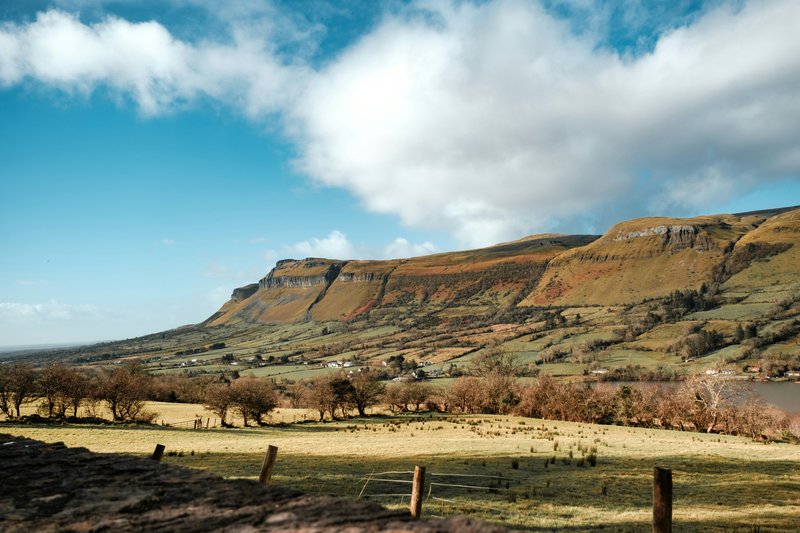

Explore Sligo
Hotels (3)
Restaurants (1)
Where to Stay

W.B. Yeats found inspiration at Castle Dargan, and the estate's 170 acres of County Sligo parkland still carry that romantic pull. Edwardian antiques and original paintings furnish four heritage rooms in the main house, while contemporary suites occupy a newer wing. Golf courses roll across the grounds, a spa offers jacuzzi and sauna, and the restaurants focus on local seafood alongside traditional Irish fare.

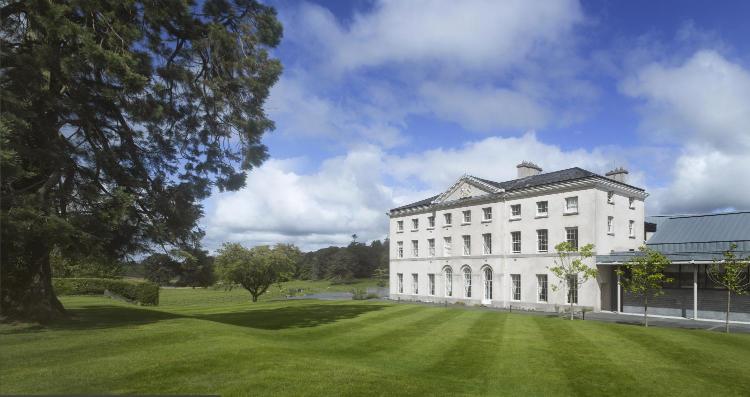
Rising from the shores of Lough Meelagh in County Roscommon, this 18th-century castle underwent meticulous restoration that honors its aristocratic origins while delivering contemporary comfort. Suites within the original structure retain atmospheric period detail, and the spa complex—complete with indoor pool, jacuzzi, sauna, and steam rooms—provides thorough relaxation. The Douglas Hyde restaurant, named for Ireland's first president, anchors the culinary offering amid parkland an hour inland from Sligo.
Where to Eat

Michelin Selected
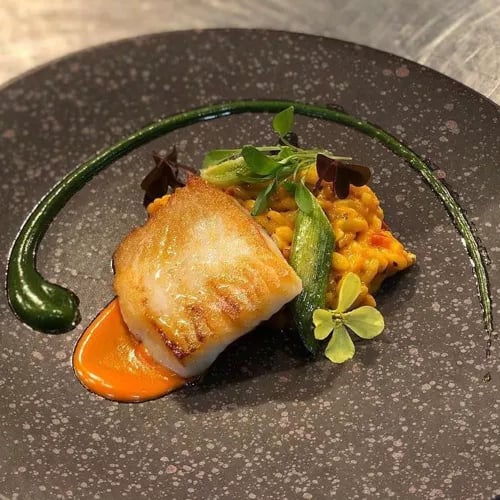
Celebrity chef Neven Maguire has built a culinary destination near the Irish border worth the journey. His generous tasting menus showcase premium Irish ingredients with meticulous technique and bold flavor. The plush dining room and attentive, formal service create an atmosphere suited to milestone celebrations. A cookery school and overnight accommodations extend the experience for those seeking full immersion in Maguire's refined approach.

Michelin Selected
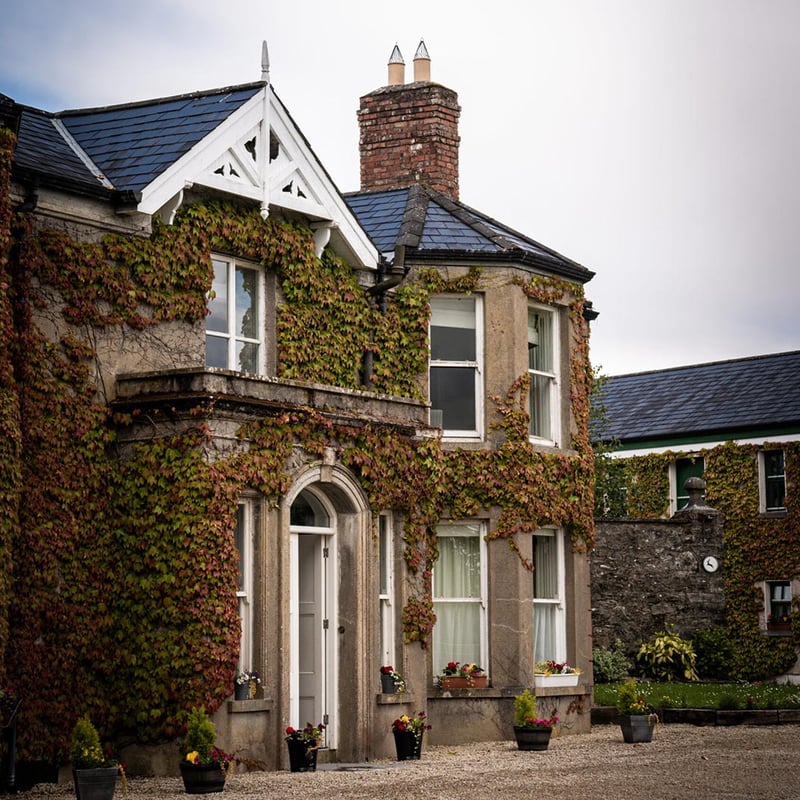
An 1800s post office converted into a destination restaurant, this Cavan address opens with aperitifs beside the fire in a flag-floored bar before guests move to either the historic dining room or a light-filled conservatory. The kitchen leans classical, showcasing game through the colder months and building dishes around sauces that demonstrate real technical skill. Stylish rooms allow the evening to linger.

Michelin Selected
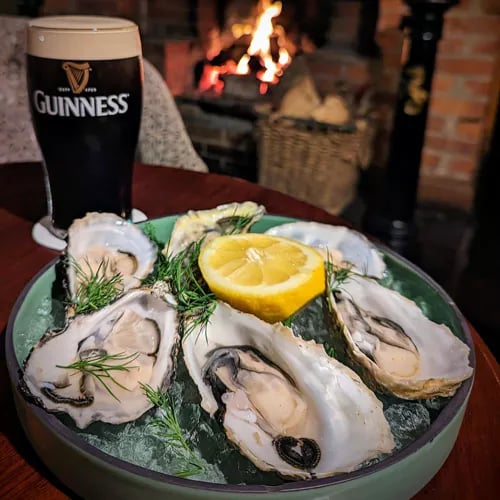
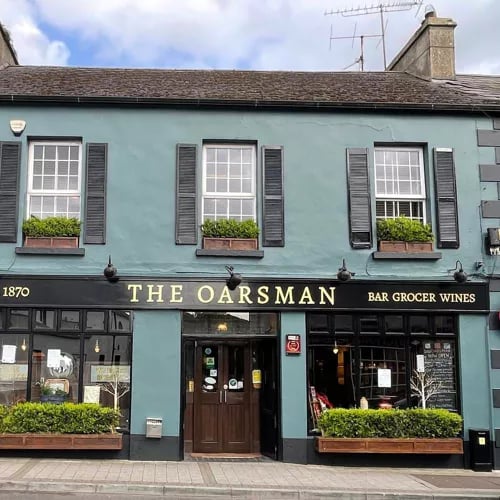
A riverside pub where fishing tackle and pottery crowd the walls, Oarsman channels the spirit of rural Ireland through flavoursome cooking rooted in local produce. Fish dishes consistently excel, arriving alongside bread baked in-house daily. The family behind the bar pours a lager brewed exclusively for the establishment, while upstairs a quieter restaurant opens toward week's end for more considered dining.
Frequently Asked Questions
What neighborhoods should visitors explore in Sligo town?
+
The Victorian commercial centre along O'Connell Street and Wine Street offers the highest concentration of independent retailers and historic architecture. Market Yard hosts weekend farmers' markets and contemporary cafés in converted warehouse spaces. For evening atmosphere, Thomas Street and its surrounding lanes contain the most authentic traditional music pubs.
How does Sligo's connection to W.B. Yeats influence the visitor experience?
+
Yeats spent formative summers in Sligo as a child, and the landscape profoundly shaped his poetry. The Yeats Building on Hyde Bridge houses an exhibition and hosts the annual Yeats International Summer School. Drumcliffe churchyard, where the poet is buried beneath Benbulben, lies ten minutes north of town and draws literary visitors year-round.
What is the best time of year to visit Sligo?
+
May through September brings the mildest weather and longest daylight hours for exploring the Atlantic coastline and mountain walks. August hosts the Yeats Summer School and various music festivals. Winter offers dramatic storm watching along Strandhill beach and quieter access to restaurants, though some coastal attractions reduce their hours.
Nearby Destinations
Explore Ireland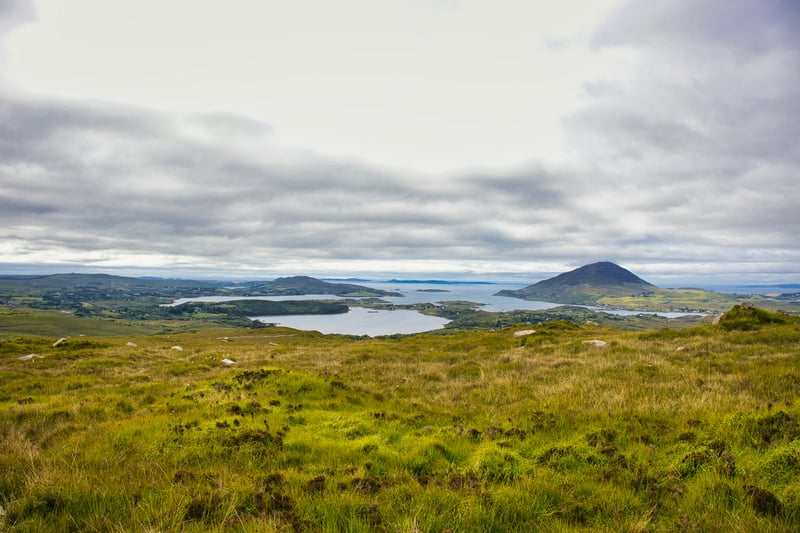




Sligo
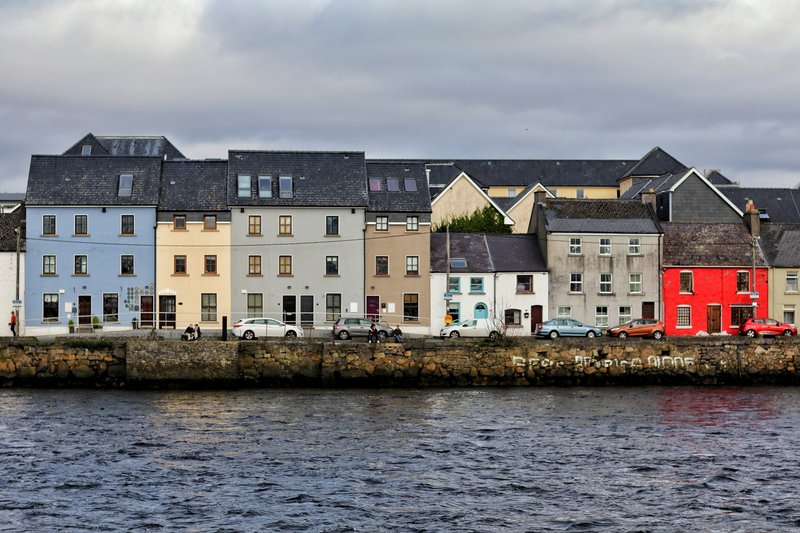
Sligo occupies a dramatic position where the Garavogue River meets the Atlantic, overlooked by the flat-topped silhouette of Benbulben. The town itself retains a pleasingly compact Victorian core along O'Connell Street and Wine Street, where independent shops occupy handsome 19th-century facades. W.B. Yeats drew lifelong inspiration from this landscape, and his presence still shapes the cultural calendar — literary walking tours trace his footsteps through the town and out to Drumcliffe churchyard beneath the mountain.
The dining scene reflects both the county's agricultural heritage and its coastal position. Restaurants work closely with Sligo's fishing fleet and the dairy farms of the Ox Mountains hinterland. The café culture clusters around Stephen Street and Market Yard, where roasters serve single-origin coffees alongside soda bread from local bakeries. After dark, traditional music sessions unfold in pubs along Thomas Street, an unbroken tradition that requires no performance — locals simply gather and play.