Behind the unassuming façade of Blackrock Market, chef Damien Grey orchestrates a two-Michelin-starred tasting menu built around the five fundamental tastes—salty, savoury, sweet, bitter, sour—each course explained personally tableside. The intimate room holds only a handful of covers, lending every service the tenor of a private dinner party. Precision-driven modern technique meets thoughtfully matched wines in dishes that achieve striking balance.
Explore Dublin
Named for its location between Blackrock and Foxrock, the 'Black Fox' delivers creative cuisine that pivots between Mediterranean and East Asian influences—ossocollo sharing menu space with shiitake dumplings. The seasonally driven cooking gains energy from the ground-floor open kitchen, while upstairs offers a more intimate setting. A thoughtfully assembled wine list supports the modern, flavor-forward plates.
Frequently Asked Questions
Which Dublin neighborhoods offer the best hotel locations?
+
The Georgian Mile around Merrion Square and St Stephen's Green concentrates the city's finest addresses, with period townhouses converted into intimate properties. Ballsbridge, a leafy embassy district south of the Grand Canal, suits those preferring residential quiet with easy city access. The Docklands appeals to travelers seeking contemporary architecture and waterfront settings.

What makes Dublin's restaurant scene distinctive?
+
Irish chefs have embraced the island's extraordinary larder — wild salmon, Carlingford oysters, Connemara lamb, artisan cheeses from small producers across the country. The focus is on provenance and restraint rather than elaboration. Many restaurants occupy Georgian rooms where the architecture provides its own drama, though warehouse conversions and contemporary spaces increasingly define the newer openings.
When is the best time to visit Dublin?
+
Late spring through early autumn offers the longest days and mildest weather, though Dublin's maritime climate means rain remains possible year-round. September brings the Dublin Fringe and Theatre Festivals, while June sees the longest evenings — crucial in a city where pub gardens and outdoor dining have become central to warm-weather socializing. Winter suits those drawn to traditional music sessions and the intimacy of candlelit Georgian rooms.
Nearby Destinations
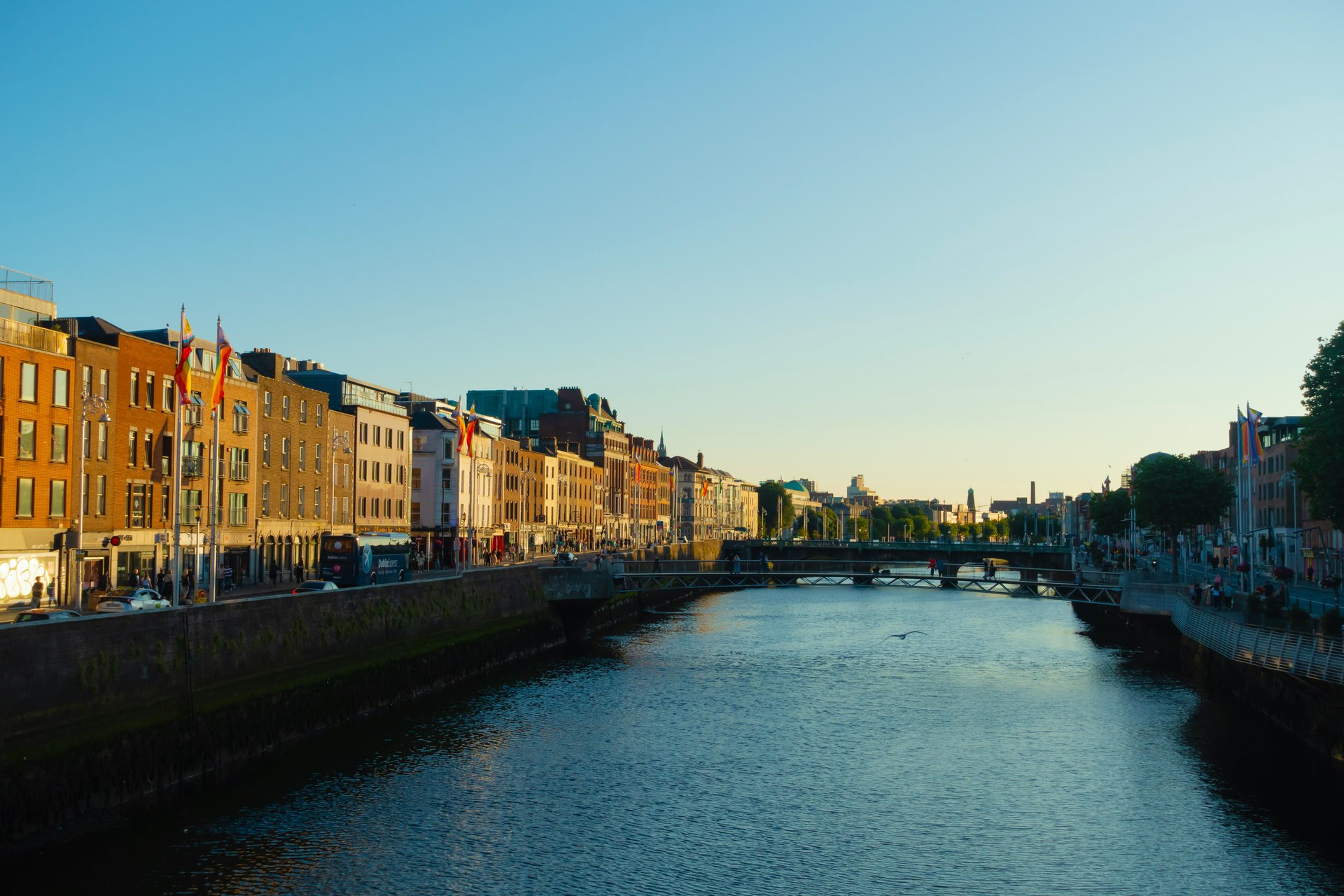
Explore IrelandDublin sprawls across both banks of the River Liffey, its Georgian squares and Victorian redbrick terraces giving way to converted warehouses and contemporary glass towers. The southside claims the cultural weight — Trinity College's cobblestones, the National Gallery, Grafton Street's retail corridor — while the northside pulses with a grittier creative energy around Smithfield and Stoneybatter. Between them, Temple Bar's narrow lanes host everything from traditional music sessions to contemporary art galleries, though locals tend to drink elsewhere.
The dining scene has transformed dramatically since the 2010s, with Irish produce now treated with the reverence it deserves. Expect wild Atlantic seafood from Galway and Donegal, grass-fed beef from the midlands, and vegetables from the market gardens of north County Dublin. Georgian townhouses have been converted into intimate restaurants, while the Docklands development brought a wave of modern Irish cooking. The pub remains central to social life here — not merely for drinking, but as the venue where traditional music, political debate, and local gossip have mingled for centuries.