Within the storied walls of an 18th-century castle, Owenmore commands views across manicured grounds to the river below. The kitchen mines Connemara's coastal bounty with precision—Killary Fjord mussels and clams arrive briny-fresh, woven into modern plates that honor their provenance. After dinner, the terrace offers a contemplative finale overlooking the Wild Atlantic Way's dramatic sweep.
Explore Connemara
Frequently Asked Questions
When is the best time to visit Connemara?
+
Late spring through early autumn offers the longest days and mildest weather, though Connemara's dramatic moods — sudden rain, breaking cloud, double rainbows over the bogs — are part of its appeal year-round. May and June bring rhododendron blooms to Kylemore Abbey, while September sees fewer visitors and golden light across the mountains.
How do I get around Connemara without a car?
+
Public transport is limited, with Bus Éireann running infrequent services between Galway and Clifden. Some hotels arrange transfers, and cycling is possible for the fit — the terrain is hilly but roads are quiet. For full flexibility across this dispersed region, hiring a car remains the practical choice.
What makes Connemara lamb distinctive?
+
The sheep graze freely on heather, wild grasses, and herbs across the open boglands, giving the meat a distinctive herbaceous, slightly gamey character. This mountain lamb has Protected Geographical Indication status from the EU, and local chefs have built menus around its seasonal availability from late summer through winter.
Nearby Destinations
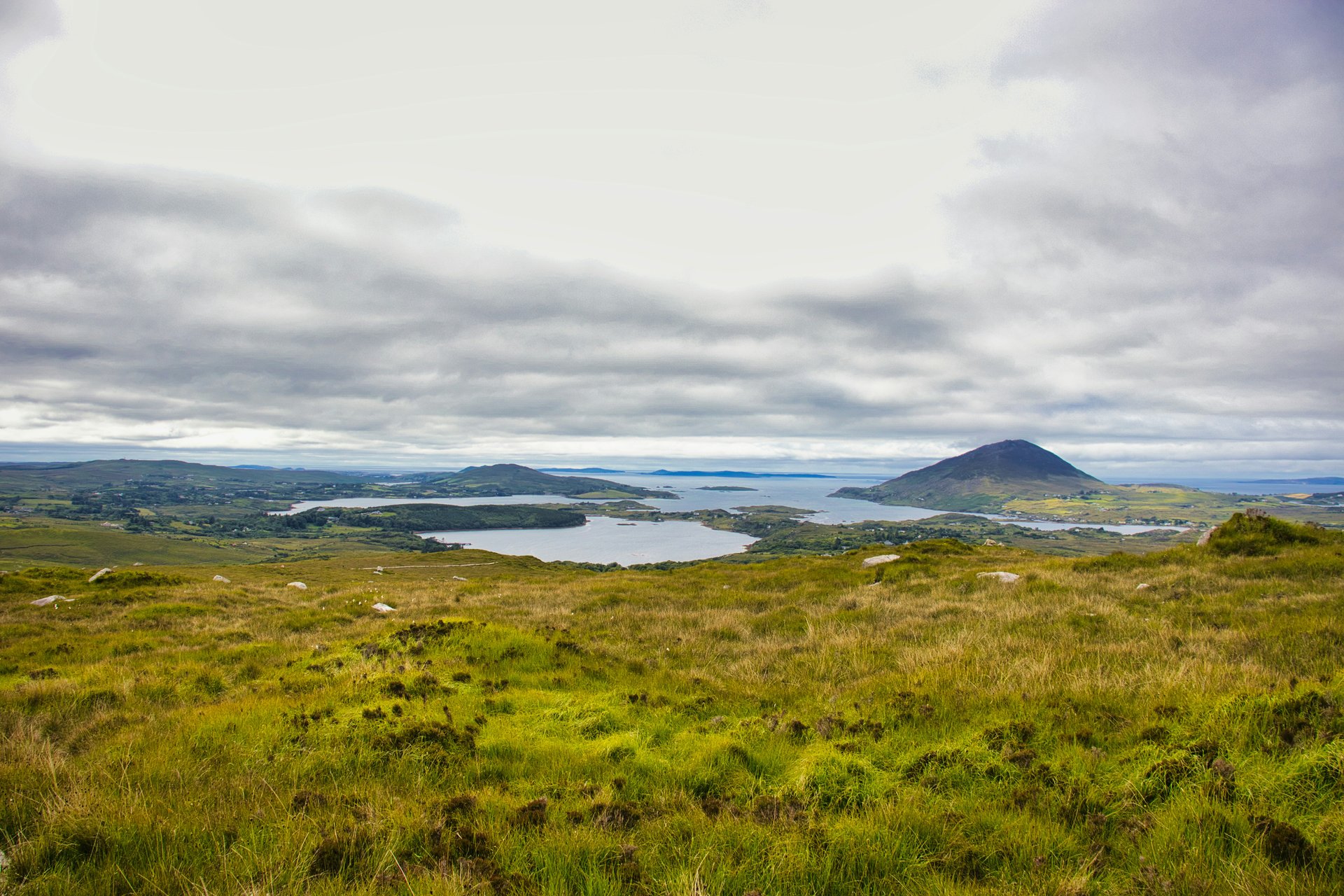
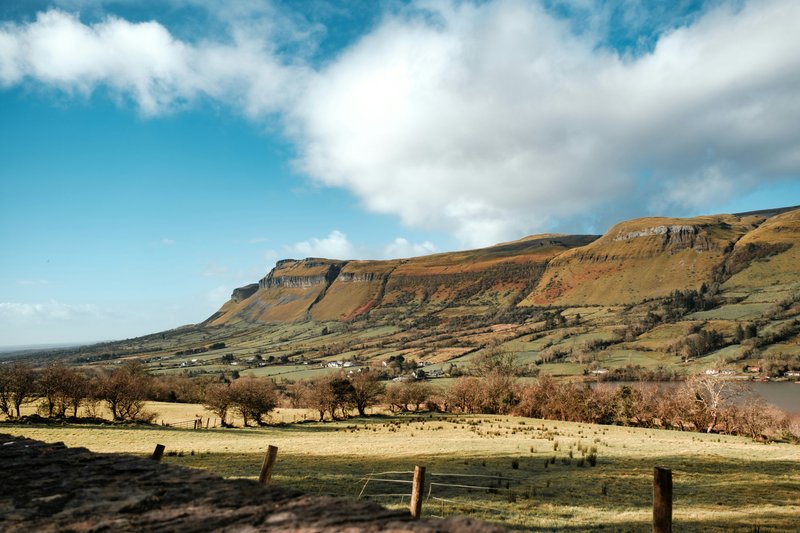
Explore IrelandThe Connemara landscape defies easy description: boglands stretch beneath quartzite peaks, stone walls trace ancient field patterns, and Atlantic light shifts constantly across Twelve Bens mountain range. This is Ireland's Gaeltacht heartland, where Irish remains the first language in villages like Spiddal, Carraroe, and Carna. The region runs roughly from Galway city westward to the fishing port of Clifden, encompassing the islands of the bay and the fjord-like inlets of the northern coast.
Accommodation here tends toward the intimate and rooted. Expect converted shooting lodges with turf fires, family-run manors where dinner is a communal affair, and contemporary retreats designed to frame those Atlantic views. The dining scene draws heavily on what arrives daily from Killary Harbour and the surrounding waters — Connemara lamb from the hillsides, hand-dived scallops, seaweed foraged from rocky shores. In Roundstone, Letterfrack, and along the Sky Road, you'll find kitchens that have spent decades perfecting this terroir-driven approach.