Skip to content

Luberon

Explore Luberon

Hotels (6)
Restaurants (1)

Where to Stay

Verified
2 Michelin Keys· Forbes Five-Star· Relais & Châteaux · Verified

An 11th-century hamlet crowns the Luberon hills, its ochre façades surveying 30 hectares of estate vineyards where the Aureto label is produced and poured. The award-winning 2,000-square-metre spa opens onto a whirlpool facing the vines, while a professional BMC cycling centre dispatches riders toward Mont Ventoux. Three restaurants span the spectrum from poolside Italian at Cipressa to garden-sourced cooking at Les Vignes and gastronomic ambition at Avelan.

Verified
2 Michelin Keys · Verified

A seventeenth-century manor house anchors this 25-room estate in the Luberon, its grounds threaded with vineyard paths and shaded by centuries-old trees. The property bottles its own wines, poured at both a gastronomic restaurant and casual bistro on site. A hammam and safely fenced pool provide respite, while duplex rooms with mezzanines accommodate families seeking refined countryside immersion.

Verified
1 Michelin Key · Verified

Alain Ducasse's former country residence, this 17th-century stone bastide rises from lavender fields beneath the limestone cliffs of Moustiers-Sainte-Marie. A master gardener delivers each morning's harvest directly to the kitchen, where heirloom tomatoes become sorbet alongside local lamb, served on a terrace fragrant with herbs. Thirteen rooms, meandering garden paths, a seasonal pool, and an on-site wine cellar reward those who linger.

Verified
1 Michelin Key· Relais & Châteaux · Verified

A stone farmhouse with roots tracing to the Knights of Malta, Le Phébus commands the hillside between Gordes and Roussillon. Chef Xavier Mathieu, a Robuchon alumnus, holds a Michelin star for his hyper-local cuisine—lamb from the Alpilles, vegetables from the on-site potager—with an intimate Table d'Hôtes seating four in the kitchen. The spa draws on surrounding lavender fields, while two private villas offer pools and butler service.

Verified
Small Luxury Hotels · Verified

Thirteenth-century stone bories—ancient shepherds' huts—anchor this 20-acre Luberon estate, their dry-stone walls restored and woven into the hotel's architecture while others dot the lavender fields, glowing softly after dusk. Rooms in the converted farmhouse open through glass doors onto private terraces surveying olive groves and cypress. A full spa with hammam and jacuzzi complements twin pools: one glass-enclosed, one outdoor amid aromatic gardens.

Verified
Relais & Châteaux · Verified

Stone façades climb a Luberon hillside where 48 rooms capture sweeping valley panoramas through floor-to-ceiling windows. The Jocadae Spa by CODAGE pairs hammam and sauna with both heated indoor and outdoor pools, while select villas offer private plunge pools—uncommon in this corner of Provence. At Le Table du Mas, terroir-driven dishes like local rack of lamb arrive on a terrace surveying lavender-scented countryside.

7. Le Couvent des Minimes

2 Michelin Keys· Relais & Châteaux

A 17th-century convent perched above Mane retains its chapel, cloister with original Compagnons du devoir timber frame, and century-old terraced gardens tumbling toward lavender fields. The world's first ECOCERT-certified spa sprawls across 2,500 square metres with salt grotto, snow fountain, and energy stone rituals. MOF chef Louis Gachet earned a Michelin star at Le Feuillée; the duplex bell tower suite crowns 49 rooms dressed in oak, linen, and terracotta.

8. Capelongue, a Beaumier Hotel

1 Michelin Key

Arranged like a Provençal hamlet across lavender-scented hills above Bonnieux, Capelongue scatters 57 rooms through restored 17th-century bastides and a converted dovecote with Mont Ventoux views. Chef Noël Bérard's starred restaurant showcases Luberon terroir—Sisteron lamb, Roussillon snails with pastis—while La Bergerie serves hearth-cooked meats against panoramic backdrops. The 300-square-metre spa features a Roman bath amid jasmine-filled gardens, ideal for families seeking refined Provençal immersion.

9. Domaine de Fontenille

Relais & Châteaux

A 17th-century bastide wrapped in cedars and ancient olive trees, Domaine de Fontenille presides over the Luberon with understated grandeur. Nineteen rooms display original contemporary artworks from the on-site gallery housed in former cellars. Chef Michel Marini's Michelin-starred Le Champ des Lunes draws from centuries-old estate vineyards, where guests can join oenology courses or wander through vine rows at dusk.

10. Auberge La Fenière

1 Michelin Key

Third-generation chef Nadia Sammut runs this six-room retreat outside Cadenet as a holistic sanctuary where gastronomy meets wellness philosophy. Her Michelin-starred restaurant Le Goût du Bonheur delivers inventive vegetal and marine cuisine entirely free of gluten and dairy, paired with natural and biodynamic wines. Minimalist-chic rooms overlook olive groves and gardens leading to the pool—ideal for food-focused travelers seeking substance over spectacle.

Where to Eat

1. La Table des Amis

★★ Michelin

Christophe Bacquié's two-Michelin-starred farmhouse table unfolds amid the vineyards, olive groves, and lavender fields of the Luberon countryside. A single set menu channels Mediterranean clarity—signature modern aïoli, iced Calisson—while Bacquié and his wife Alexandra orchestrate service with the warmth of a private dinner among friends. The cooking is transparent, flavor-driven, and resolutely Provençal.

2. La Bastide

★ Michelin

Chef Noël Bérard earns his Michelin star through rigorous local sourcing—Sorgue trout, Gordes veal, Camargue oysters—transformed into modernised Provençal cuisine across two tasting menus, one entirely plant-based. The terrace commands sweeping views over Bonnieux and the Luberon hills, ideal for sunset dinners. Signature desserts like black olive ice cream with chocolate textures reveal a kitchen unafraid of bold, inventive finishes.

3. La Bastide de Moustiers

★ Michelin· Green Star ●

Vegetables take center stage at this one-starred Provençal bastide, where the kitchen garden supplies much of what appears on the plate—whether as delicate tempura, tangy pickles, or garden-fresh accompaniments to charcoal-grilled fish. Signature preparations like marinated red mullet with smoky undertones showcase a light Mediterranean touch. The Michelin Green Star recognizes the restaurant's sustainable approach, while the olive-shaded terrace completes an authentically peaceful setting.

4. La Table de Xavier Mathieu

★ Michelin

Xavier Mathieu earned his Michelin star by channeling a lifetime in Provence—training under Roger Vergé, inheriting his great-grandmother's salt cod with saffron-laced leeks, pressing olive oil from the property's own groves. The kitchen repertoire shifts daily, featuring lamb slow-cooked in warm garrigue sand and violet artichoke barigoule. A drystone bastide with Knights of Malta foundations provides the theatrical backdrop.

5. Le Feuillée - Le Couvent des Minimes

★ Michelin

Within the honey-stone walls of a restored 17th-century convent, chef Louis Gachet—crowned MOF 2023—orchestrates a one-starred table that shuttles confidently between his Burgundian roots and the sun-drenched larder of Provence. The restaurant takes its name from Louis Feuillée, Louis XIV's botanist and a native son of Mane. Expect bold compositions, impeccably constructed sauces, and a setting steeped in contemplative beauty.

6. Le Goût du Bonheur - La Fenière

★ Michelin· Green Star ●

Nadia Sammut holds a singular distinction: the world's first Michelin-starred chef cooking exclusively gluten-free. Her vegetable-driven tasting menus draw deeply from Luberon terroir and family memory, while partner Ernest sources fish aged using the Japanese ikejime technique. Guests dine beneath traditional canisses on a terrace surrounded by seven hectares of cypress and ancient olives, with natural wines spanning Rhône to Jura.

7. Restaurant Pierre Grein

★ Michelin

Behind an unassuming business park façade, chef Pierre Grein delivers one-Michelin-star cooking rooted in Provençal tradition yet executed with modern precision. The spacious conservatory dining room frames dishes like gnocchi with girolles, local squab roasted whole alongside fluffy dauphinoise, and a playful trompe l'œil strawberry-pistachio tart. Particularly memorable are the deeply flavored sauces and jus that accompany each course.

8. JU - Maison de Cuisine

★ Michelin

Behind a wooden counter set against exposed stone walls, chef Julien Allano—veteran of La Mirande and Le Clair de la Plume—composes daily carte blanche menus rooted in Provençal terroir. Heirloom wheat, Malataverne peanuts, and pigeon from nearby Sarrians anchor dishes of delicate Southern intensity. The singular Cheese Experience unfolds in a thirteenth-century vaulted cellar, adding historical drama to an already accomplished one-star table.

9. La Petite Maison de Cucuron

★ Michelin

Behind a yellow façade on Cucuron's village square, chef Éric Sapet—trained at La Tour d'Argent and Jacques Cagna—works culinary alchemy from an impossibly compact 8 m² kitchen. His one-Michelin-starred cooking celebrates Provençal terroir through a weekly-changing set menu: marinated sea bass on garden vegetables, poultry braised with wild mushrooms in vin jaune. The terrace beneath bicentennial plane trees, overlooking the village pond, requires advance booking.

10. Le Vivier

★ Michelin

Along the verdant banks of the River Sorgue, in Provence's antiques capital, chef Romain Gandolphe holds a Michelin star for his refined Provençal cooking. Each plate balances delicacy with textural intrigue, served in a contemporary dining room or on the waterside terrace where willows trail into the current. Regional wines complement the precision, making this an essential stop for gastronomes exploring the Luberon.

What to Do

1. Jocadae Spa by Codage

Relais & Châteaux

Spanning over 5,000 square feet within Le Mas des Herbes Blanches, this CODAGE-partnered spa anchors the Luberon wellness experience with an indoor pool whose waters shimmer against mirrored ceilings above. Expert therapists deliver facial and body treatments while a full thermal circuit—sauna, hammam, hot tub, and jacuzzi—completes the offering. Yoga sessions amid panoramic valley views round out a thoroughly Provençal approach to restoration.
2. Le Spa L'Occitane en Provence

Relais & Châteaux

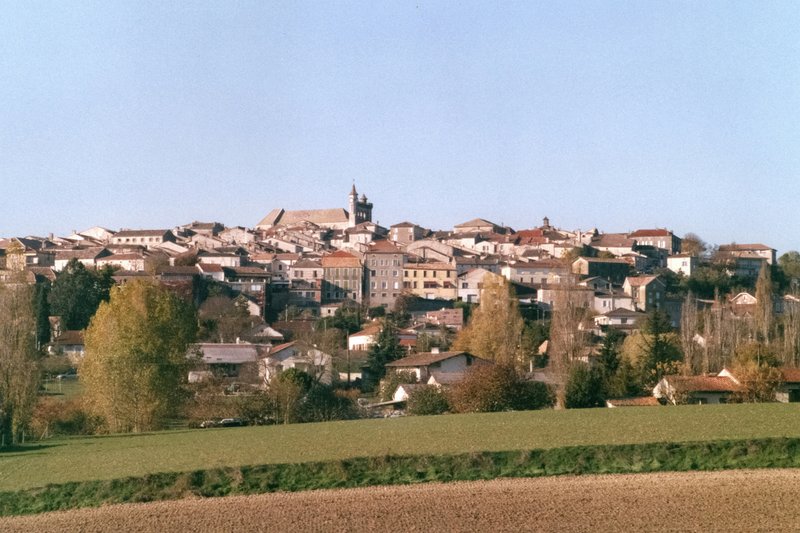
Within the restored stone walls of a 1613 convent near Mane, this 27,000-square-foot sanctuary channels L'Occitane's Provençal heritage into a thermal circuit of Nordic bath, salt grotto, and multi-sensory pool. Treatments draw from the brand's botanical formulations—each session individually calibrated around four pillars: beauty, regeneration, balance, and detox. Hammam, sauna, and hot tub complete the contemplative wellness arc.

3. Spa Ila & Végétalement Provence

Relais & Châteaux

Spread across 400 square meters within a historic Provençal farmhouse between Gordes and Roussillon, this spa draws its identity from the surrounding Luberon landscape. Treatments feature essential oils distilled from local lavender fields—signature rituals include lavender salt scrubs, shea butter wraps, and hot stone therapies. Three treatment booths, a steam bath, hot tub, and herbal tea bar complete the restorative experience.

Frequently Asked Questions

Which Luberon villages are best for a first visit?

+

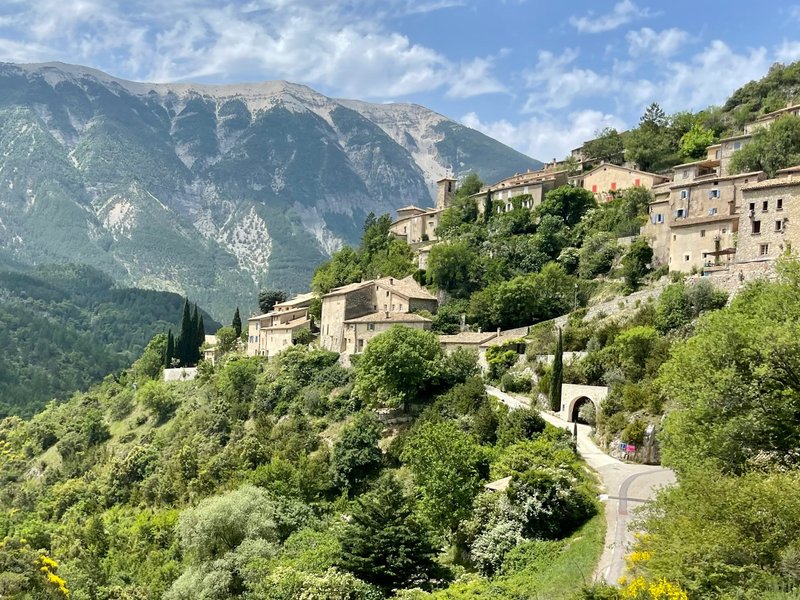
Gordes and Roussillon draw the most visitors for good reason — dramatic settings and photogenic streets — but Lourmarin offers a livelier village atmosphere with its Friday market, bookshops, and evening restaurant scene. Bonnieux strikes a balance between accessibility and authenticity, with panoramic views across the valley to Lacoste.

When is lavender season in the Luberon?

+

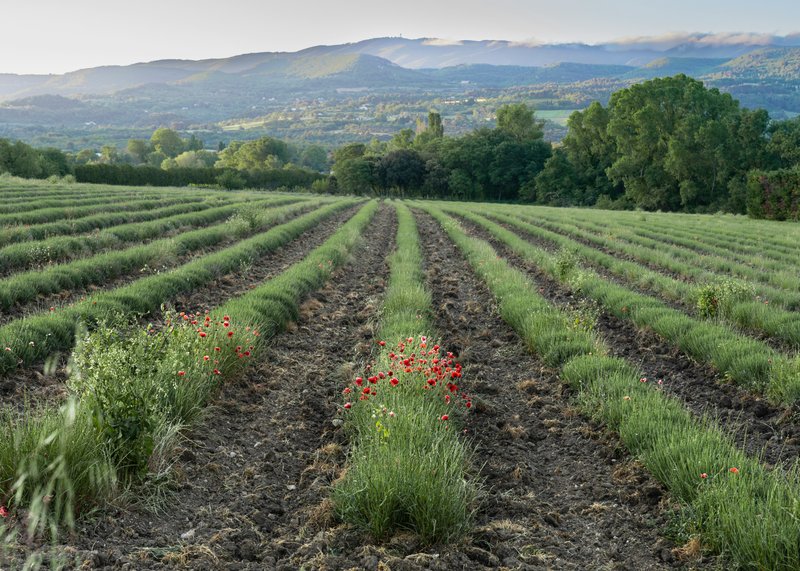
The lavender fields around Sault and the Valensole plateau reach peak bloom from mid-June through late July, depending on the year's weather. The harvest typically begins in late July, so early July offers the deepest purple color and strongest fragrance. Fields closer to the Luberon villages flower slightly earlier than those at higher elevations.

Is a car necessary to explore the Luberon?

+

Practically speaking, yes. The villages are connected by winding departmental roads with limited public transport. Distances are short — Gordes to Roussillon takes fifteen minutes — but the terrain makes cycling demanding except for experienced riders. Having a car also allows spontaneous stops at roadside producers and access to restaurants in more remote locations.