Skip to content

Clermont-Ferrand Travel Guide: Best Hotels, Restaurants & Experiences

Boutique hotels, historic inns, volcanic landscapes, Auvergne gastronomy, cathedral views, thermal heritage.

Explore Clermont-Ferrand

Restaurants (8)

1. Apicius

$$$$ · ★ Michelin

Chef Arkadiusz Zuchmanski's Polish heritage and devotion to Auvergne terroir converge in modern dishes of striking visual precision, earning this establishment its Michelin Star since 2010. Perched above Saint-Pierre Market, the contemporary dining rooms showcase noble ingredients—foie gras with wild pepper, sautéed sweetbread with truffle parsnip, wild turbot—in seasonal compositions that favor honest technique over embellishment. A spacious tree-lined terrace and grey-toned interiors echo Volvic stone's quiet elegance.

2. Jean-Claude Leclerc

$$$$ · ★ Michelin

For two decades, Jean-Claude Leclerc has maintained his Michelin star through precise seasonal cooking rooted in classical French technique. Signature preparations like pig's trotters and foie gras wrapped in bacon with truffle dressing exemplify his approach: reverence for tradition, executed with modern finesse. The chef personally sources produce from regional suppliers, crafting menus that shift with the harvest. An intimate dining room near the courthouse sets the tone for serious gastronomy.

3. L'Ostal

$$$$ · ★ Michelin· Green Star ●

Quentin Brunet's intimate twenty-seat table channels Auvergne's volcanic terroir through a Michelin-starred lens, earning both a star and Green Star for his devotion to regional producers. The 'volcanique' ethos translates to river trout with butternut squash, hutch rabbit with Brussels sprouts—Auvergnat classics recast in contemporary guise. Brunet, formerly of Polypode, builds each dish from organic market gardens, local livestock, and Auvergne legumes, delivering modern precision in a warm, natural-toned dining room.

4. Le Duguesclin

$$$$ · Michelin Selected

Chef Xavier Colombier brings techniques honed in Parisian and Provençal kitchens to this vaulted medieval dining room, once the site of the Auberge du Cerf d'Or. His seasonal land-and-sea menus spotlight Auvergne terroir—smoked duck from Domaine de Limagne, farm chicken with vin jaune sauce—alongside delicate gambas with old Cantal espuma and trout with creamy polenta. A courtyard terrace opens in warmer months.

5. Le Sonney

$$$$ · Michelin Selected

Chef couple Caroline Vallance and Benjamin Faure run this intimate spot near Place de Jaude with total commitment to their personal vision. The fourteen-course menu—structured like the sonnet that inspired the restaurant's name, borrowed from Faure's great-grandmother—draws on Auvergne terroir and family memories. Everything from bread to ice cream is made in-house, and the recycled-material decor was designed by the chefs themselves. Traditional cuisine with Michelin Plate recognition.

6. Le Bistrot d'à Côté

$$$$ · Bib Gourmand

Chef Valentin Chambonnière crafts generous contemporary plates from seasonal ingredients in this intimate bistro near Place de Jaude, earning a Michelin Bib Gourmand for inventive compositions like Jerusalem artichoke gnocchi with pan-fried guanciale and slow-cooked lamb confit with spice notes. The monthly-changing menu offers vegetarian adaptations on request, while the cocktail bar showcases around one hundred spirits through classic and original creations.

7. Le Chardonnay

$$$$ · Bib Gourmand

Chef Hugues Maisonneuve helms this bistronomic address where Italian cuisine takes on market-fresh precision. The Bib Gourmand distinction recognizes a concise seasonal menu that balances quality with value, while the trendy vintage décor—soft lighting, intimate patio—creates a polished yet relaxed setting. Expect dishes that look as refined as they taste, anchored by a particularly enticing market-driven selection.

8. Il Visconti

$$$$ · Michelin Selected

A revamped bistro dressed in midnight blue velvet, Il Visconti delivers spontaneous Italian-inspired cooking from a youthful chef who favors clean, precise flavors. Tonnato of courgettes, pork belly with orzotto and pistachio pesto, and pan di Limone with raspberry mascarpone exemplify the uncluttered approach that earned this address its Michelin Plate. Lunch runs concise and affordable; evening service turns more ambitious.

9. L'En-but

$$$$ · Michelin Selected

Inside the Marcel Michelin rugby stadium, this contemporary brasserie celebrates the Massif Central with modern menus named after rugby moves—forward pass, grand slam, backhand spin. Local ingredients anchor sharply focused plates, served in a dining room overlooking the pitch and, from the terrace, the Puys volcanic range. A Michelin Plate distinction confirms its confident regional expression, ideal for pre-match refinement or a Clermont-Ferrand discovery.

Frequently Asked Questions

Which neighborhoods in Clermont-Ferrand have the best dining options?

+

The historic center around the cathedral concentrates most notable addresses, with vaulted stone cellars converted into wine bars and bistros. The area near Place de Jaude offers more contemporary options, while the Montferrand district — the old medieval town now absorbed into the city — maintains traditional Auvergnat establishments.

What regional specialties should visitors try in Clermont-Ferrand?

+

The Auvergne's volcanic terroir produces distinctive ingredients: Saint-Nectaire and Cantal cheeses, lentilles vertes du Puy, Salers beef, and truffade — a hearty dish of potatoes and fresh tomme cheese. Local chefs also work with gentiane liqueur and wines from the nearby Côtes d'Auvergne appellations.

Is Clermont-Ferrand a good base for exploring the Auvergne volcanoes?

+

The city sits at the foot of the Chaîne des Puys, a UNESCO-listed volcanic chain. The Puy de Dôme summit is twenty minutes by car, and the regional volcanic park extends across the surrounding highlands. This proximity means restaurants source directly from farms on the volcanic plateaus.

Clermont-Ferrand

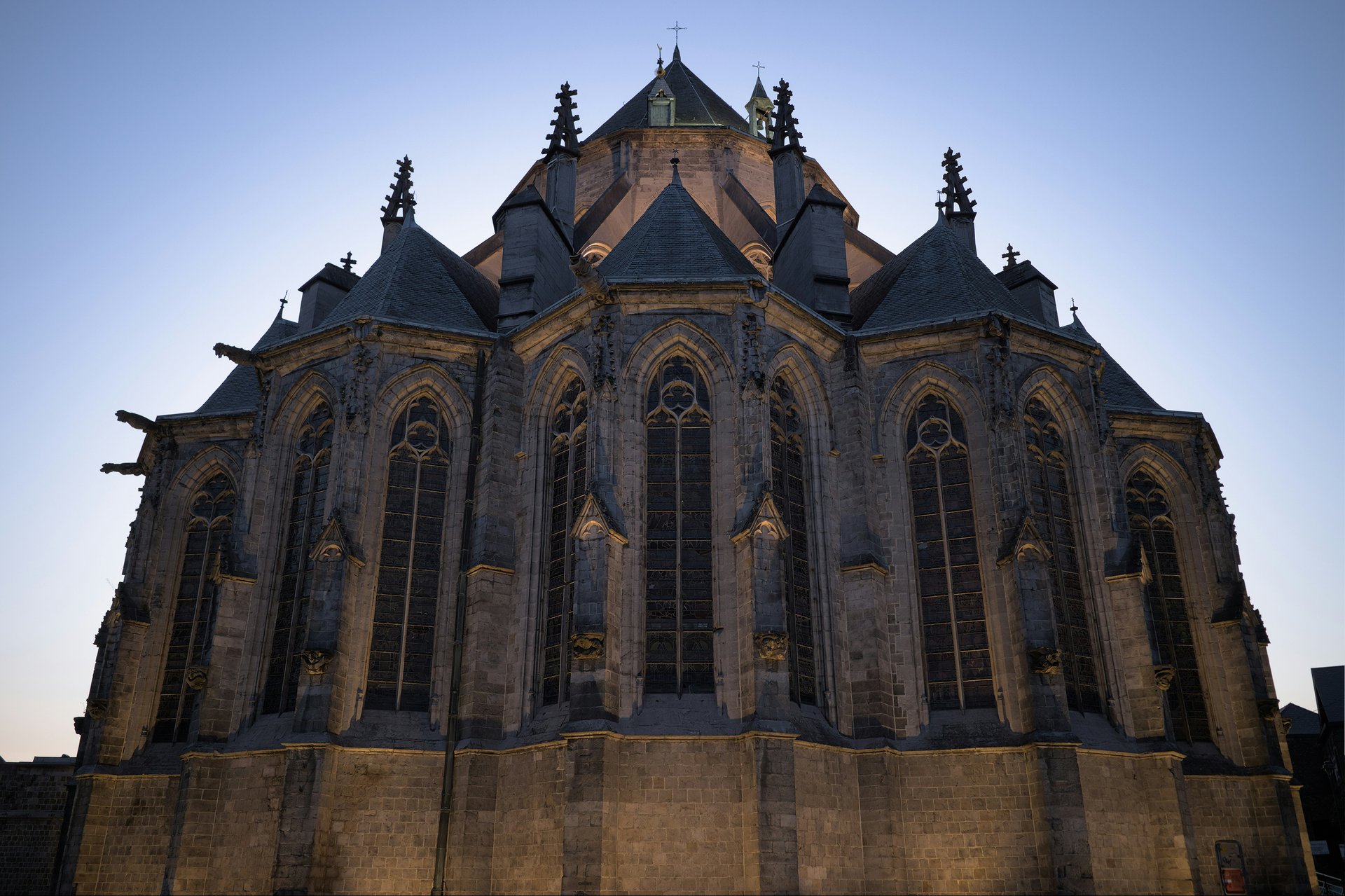
Built from the dark volcanic stone of the Chaîne des Puys, Clermont-Ferrand reveals itself in contrasts: the black spires of the Gothic cathedral rising against green hillsides, Belle Époque thermal architecture alongside contemporary design. The old town climbs steeply from Place de Jaude through narrow medieval streets where wine bars occupy vaulted cellars and chefs work with Cantal cheese, lentilles vertes du Puy, and Saint-Nectaire in kitchens that honor the Auvergne's pastoral traditions.

The dining scene splits between the historic quarter around the cathedral and the livelier streets near the university. You'll find contemporary addresses reimagining regional classics alongside traditional establishments unchanged for decades. Summer brings terrace dining with views toward the Puy de Dôme, while the city's outdoor restaurants make the most of the volcanic panorama. This is a city where the Michelin company was born — and where the culture of the table remains quietly serious.