


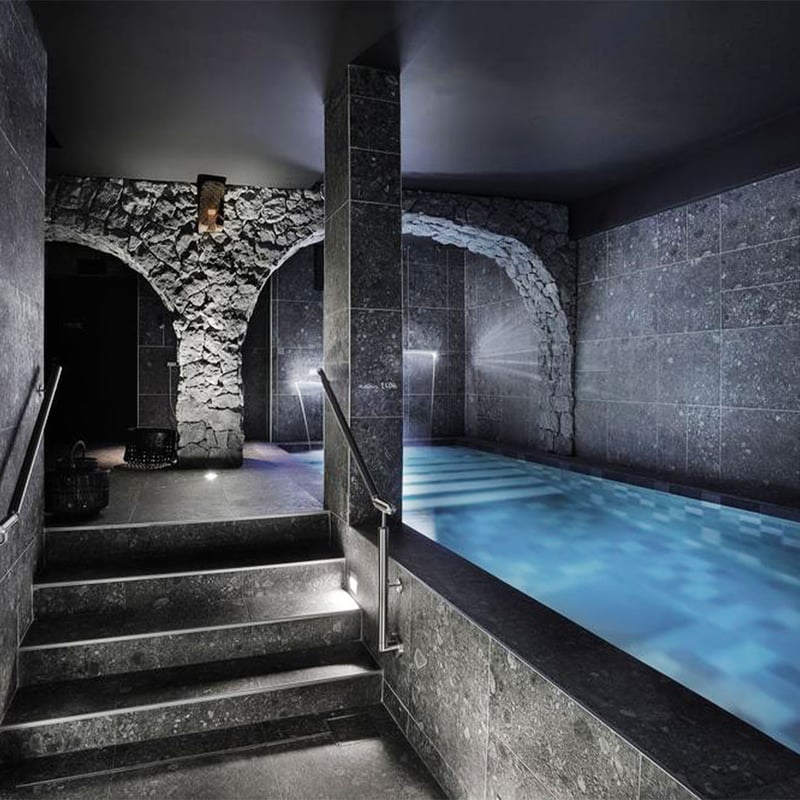
Behind an unassuming door near Chambéry's Dukes of Savoy castle, this family-run fifteen-room boutique hotel conceals fifteenth-century stone vaults housing a black granite pool, whirlpool, and hammam. Each room claims its own design vocabulary—from stark monochrome to warm Provençal tones—while a top-floor Scandinavian-inspired SpaSuite features local Alpine skincare brands. The adjacent gastronomic restaurant Folie and its cocktail sibling Mademoiselle Folie complete an intimate base for exploring the Savoie Alps.
Aix-les-Bains & Lake Bourget Travel Guide: Best Hotels, Restaurants & Experiences 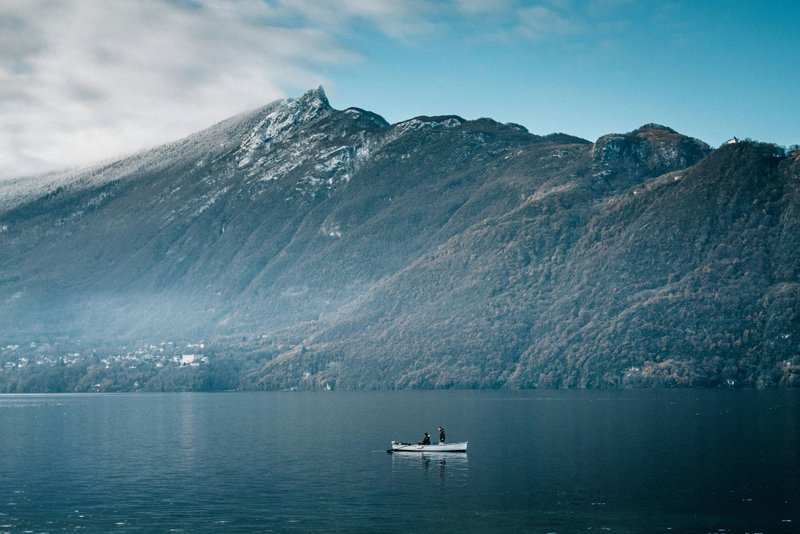
Explore Aix Les Bains
Hotels (2)
Restaurants (10)
Where to Stay

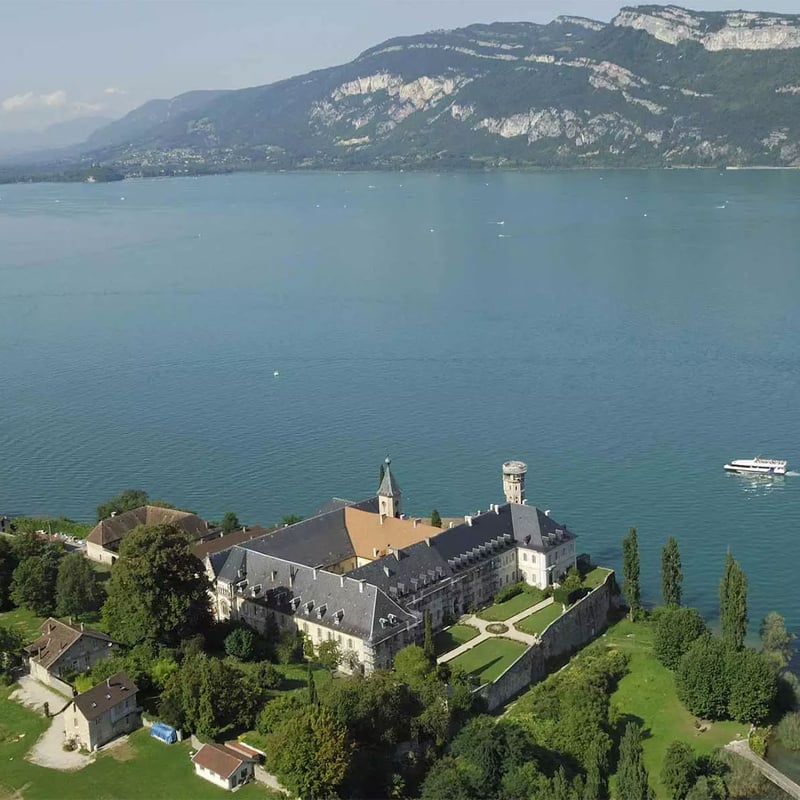
Doctor Léon Brachet, physician to European royalty, once received his distinguished patients in this late nineteenth-century château. Today, fifteen rooms each honor a Belle Époque luminary, while six hectares of parkland unfold with a swimming pool, croquet lawn, paddle court, and golf practice area. The spa features hammam and sauna; historic outbuildings have found new purpose without sacrificing the estate's aristocratic bearing.
Where to Eat

★★ Michelin
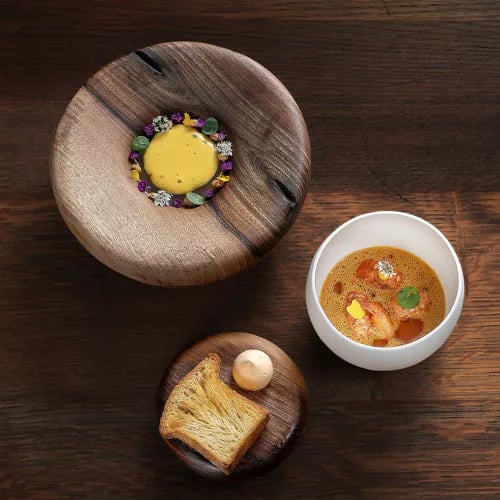
Overlooking the rolling vineyards and Rhône Valley, this two-Michelin-starred table showcases Chef Michaël Arnoult's deeply regional approach to traditional cuisine. His signature jellied crayfish tartare—finished with foamy mandarin butter and an intense shell jus—demonstrates the precision behind every plate. Local game, suckling lamb, and freshwater fish anchor a menu built on personal relationships with neighboring producers.

★ Michelin· Green Star ●
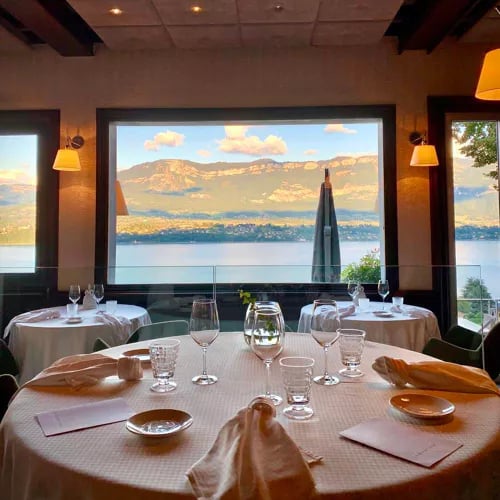
Lac du Bourget stretches beneath the dining room windows at Atmosphères, where chef Alain Perrillat-Mercerot applies classical precision to Savoie's larder—freshwater fish, mountain cheeses, wild blueberries. Two single-choice tasting menus arrive with wines showcasing regional grape varieties. A Michelin star and Green Star confirm both culinary excellence and sustainable practice, while four intimate rooms offer lakeside or mountain views for overnight stays.

★ Michelin
Panoramic views sweep across Lake Bourget and Mont du Chat through floor-to-ceiling windows at this one-Michelin-starred table. The kitchen draws from Savoie's terroir and its own cottage garden, composing menus that trace an imaginary path from lakeshore to alpine forest. Signature preparations—airy snail mousse with lovage, confit Arctic char paired with walnut bread—demonstrate precise technique applied to exceptional regional ingredients.

★ Michelin
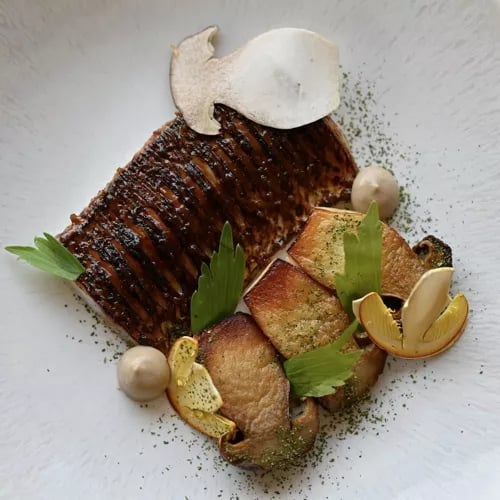
Lake Bourget stretches before the dining room where chef Valentin Marin has built a one-Michelin-star kitchen rooted in alpine and lacustrine terrain. Arctic char arrives with celery and a beurre blanc enriched with pike eggs; Savoie lamb pairs with artichoke flowers in spring. The contemporary setting maintains an intimate elegance suited to romantic dinners, continuing a regional culinary tradition established here since 1964.

Michelin Selected
High in the Bauges Mountains, this contemporary dining room showcases a young chef's deep connection to Val d'Aillon's terroir. Lamb from nearby farms, cooperative cheese, vegetables from the kitchen garden, and foraged wild herbs compose menus that shift with the seasons. The cooking demonstrates both technical precision and creative ambition, making the mountain drive from Aix-les-Bains a worthwhile detour for serious gastronomes.

Michelin Selected
Adjacent to the Château des Ducs de Savoie, this modern cuisine address occupies the courtyard of a heritage building now transformed into a luxury hotel. The chef's carte blanche approach draws on seasonal produce and global influences, while guests choose between a parasol-shaded terrace bathed in sunlight or front-row seats overlooking the kitchen's choreography. Lunch offers a more accessible score.

Michelin Selected
Bare stone walls punctuated by bold color accents set the stage at Le 59, a lively address on rue du Casino where seasonal cooking receives meticulous attention. The kitchen demonstrates classical precision—crispy asparagus draped in hollandaise, brook trout seared to delicate perfection—while a roast pineapple dessert with warm spice notes provides an unexpected finish. A confident choice for food-focused visitors exploring the lakeside town.

Michelin Selected
A romance that began in Australia gave this cosy Savoyard table its playful name and unconventional spirit. Chef Sébastien dispenses with traditional menus entirely, presenting diners instead with a simple list of ingredients currently stocking his kitchen—the rest unfolds as pure improvisation. The Michelin Plate-recognized cooking rewards those who embrace the element of surprise in an intimate, convivial setting.

Michelin Selected
A winding mountain road through the Bauges leads to chef Romain Bonnier's wood-paneled dining room, where panoramic views sweep across the Chambéry valley. The kitchen champions local vegetables alongside lake fish and meat, with the Chartreuse lamb—prepared multiple ways—earning particular acclaim. Surprise menus encourage surrender to the chef's instincts, while the refurbished interior echoes the rustic elegance of its alpine surroundings.

Michelin Selected
Behind a Belle Époque façade recalling the town's spa resort heyday, Le Sens Unique delivers creative bistronomy with genuine warmth. The hands-on chef frequently emerges to greet diners, his seasonal cooking showcasing premium ingredients—Angus beef, Corsican meagre—with inventive touches that elevate familiar bistro traditions. A charming rear terrace, enclosed and tree-lined, provides an intimate setting for unhurried meals.
Frequently Asked Questions
What fish specialties are typical around Lake Bourget?
+
Omble chevalier, a char native to Alpine lakes, appears on most restaurant menus, often prepared meunière or with beurre blanc. Lavaret, another local freshwater fish, is equally prized and typically served simply grilled or poached.
Which neighborhoods offer the best waterfront access?
+
The Grand Port area provides the main public beach and promenade, with boat rentals and lakeside dining. The Petit Port to the south offers a quieter atmosphere with sailing clubs and scenic walking paths along the shore toward the Abbaye de Hautecombe.
Are the historic thermal baths still operating?
+
Yes, the Thermes Chevalley continue the thermal tradition established in Roman times. The modern facilities offer therapeutic treatments using the naturally warm, mineral-rich waters that first drew visitors to Aix-les-Bains over two thousand years ago.
Aix Les Bains
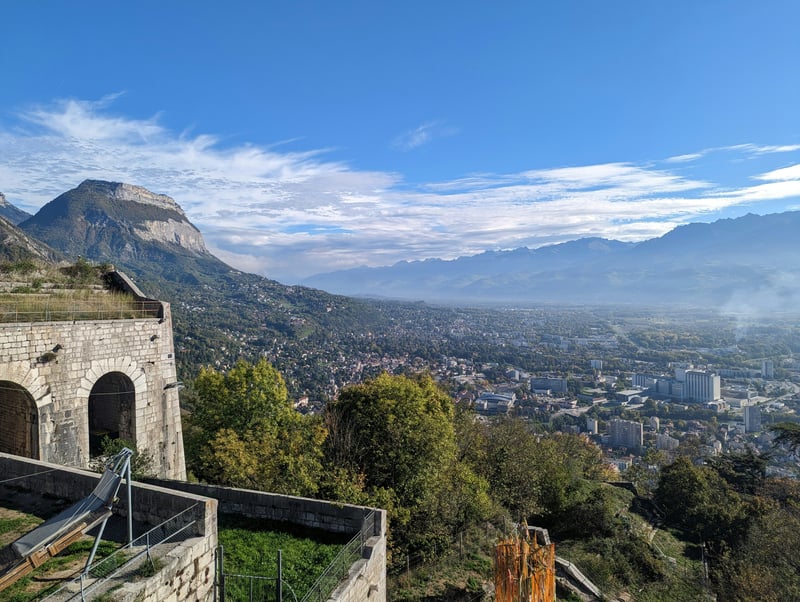
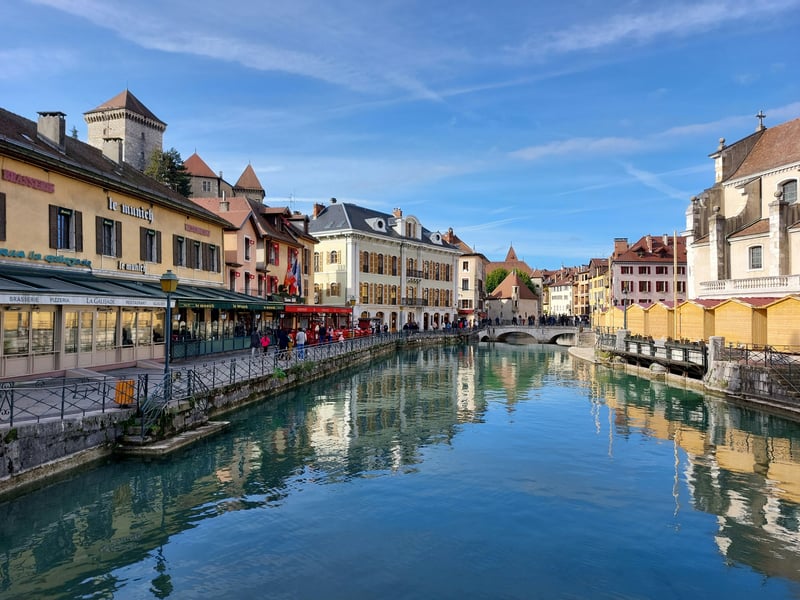
France's largest natural lake stretches beneath the Dent du Chat, its western shore lined with Belle Époque villas that recall the resort's nineteenth-century heyday as a thermal destination favored by European aristocracy. The town climbs gently from the waterfront through the old quarter around Place Carnot, where morning markets fill with Savoyard cheeses and charcuterie. Eastward, the thermal district preserves its grand casino and bathhouse architecture, while the lake's quieter eastern bank offers walking trails through reed beds frequented by herons.
Dining here draws on both Alpine and Lyonnais traditions — expect freshwater fish from the lake, particularly omble chevalier, alongside tartiflette and fondue in colder months. The café terraces along Boulevard du Lac fill on summer evenings, locals lingering over glasses of Roussette de Savoie. Accommodation ranges from converted nineteenth-century grand hotels with original thermal facilities to contemporary lakeside properties with private beach access and mountain-facing rooms.