

Explore by Region
Malé Atolls
Northern Atolls
Southern Atolls
Ari Atoll
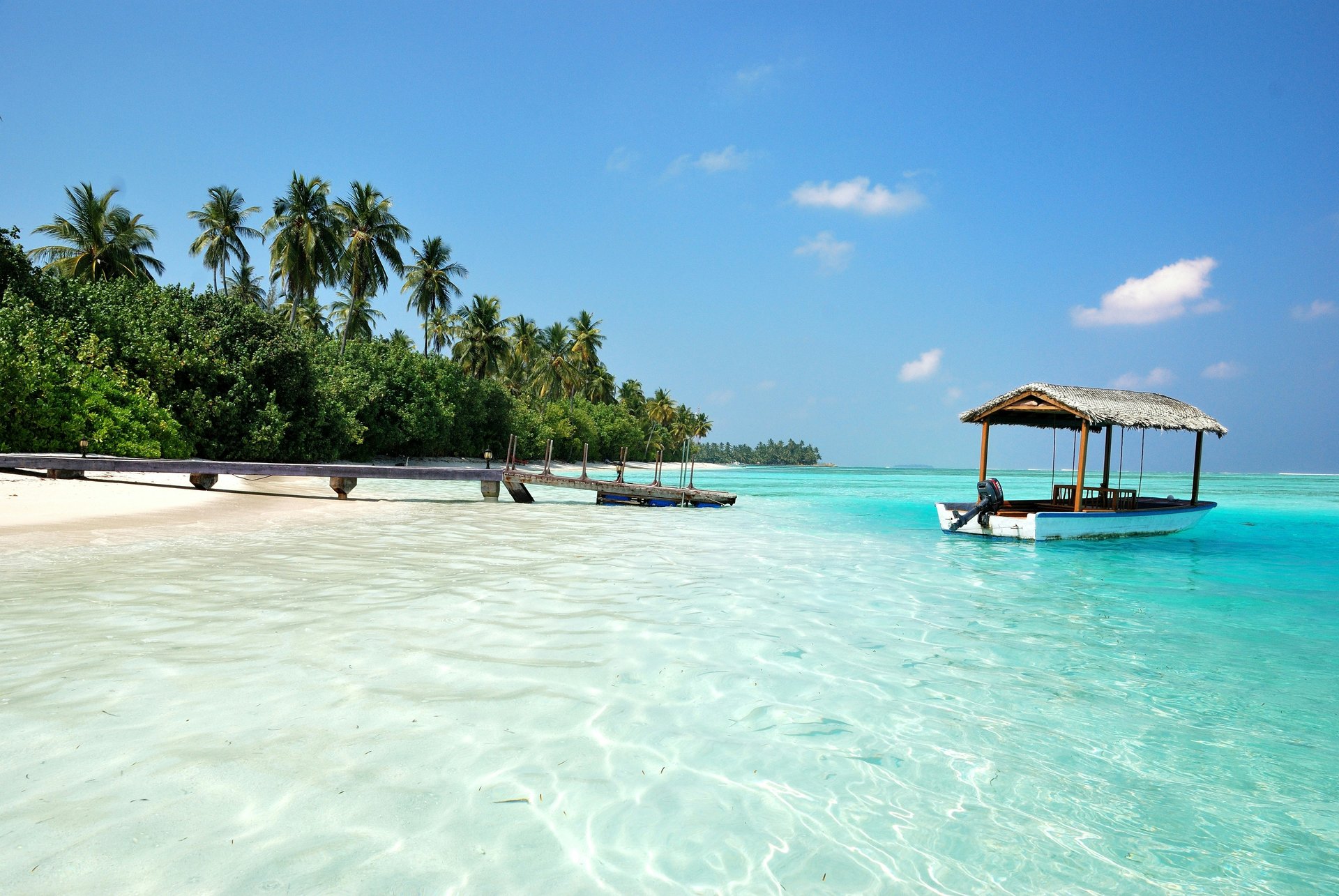
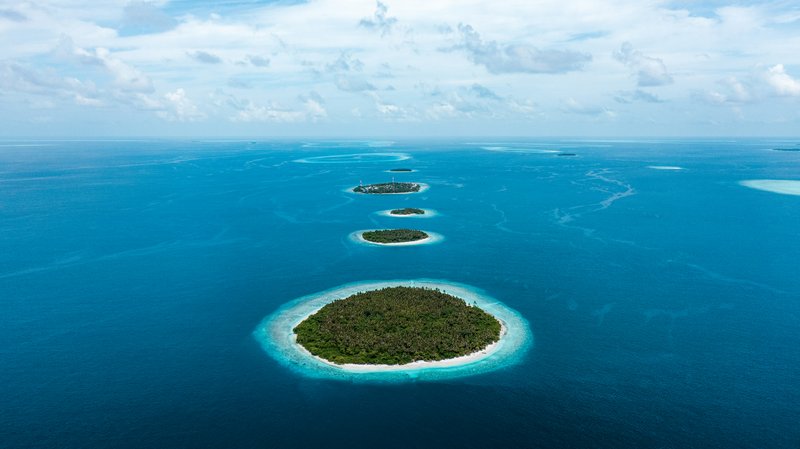
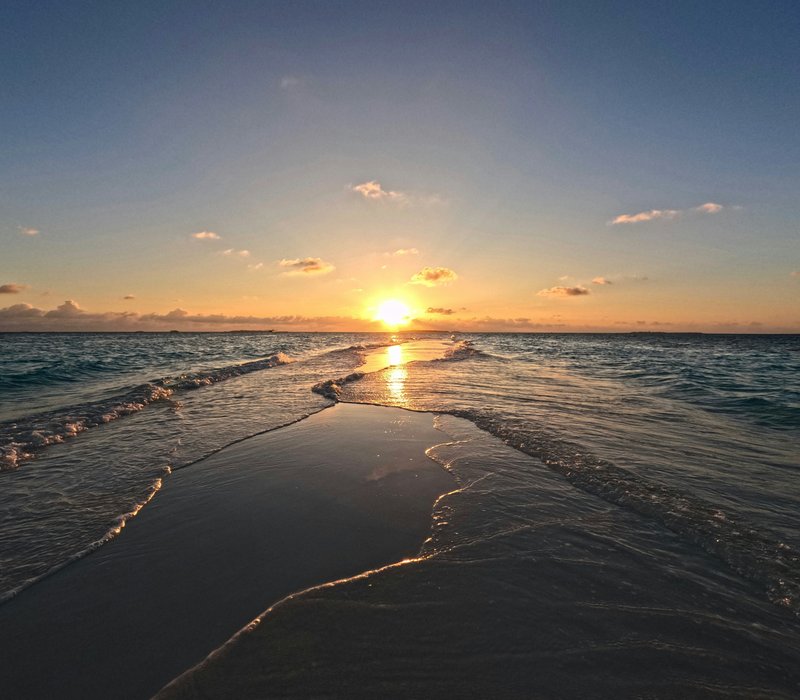
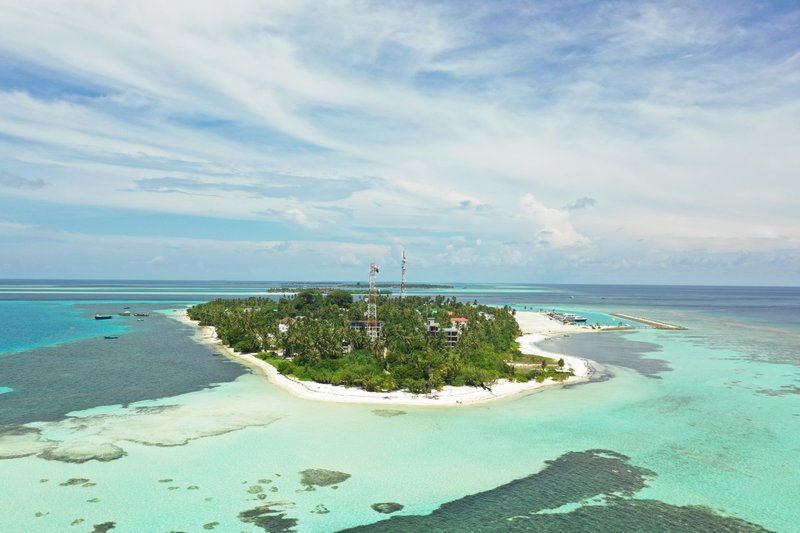
The Maldives arranges itself as a double chain of twenty-six atolls stretched across the Indian Ocean, each a ring of coral enclosing a shallow lagoon. Malé, the capital, occupies less than six square kilometres yet serves as the gateway to an archipelago of over a thousand islands, most uninhabited. The economy pivots on tourism and fishing; resorts claim entire islands, operated under long-term leases. Dhivehi remains the national language, though English is widely spoken in the hospitality sector. Islam shapes daily life—no alcohol is sold on local islands, and Friday prayers pause commerce across inhabited atolls.
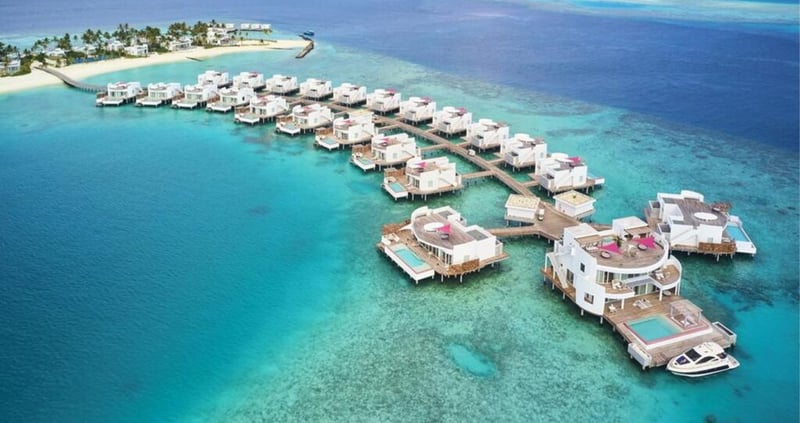
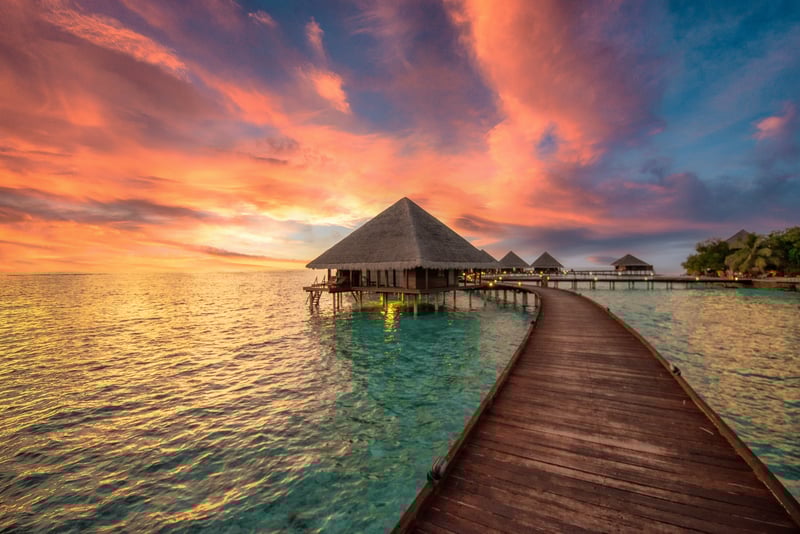
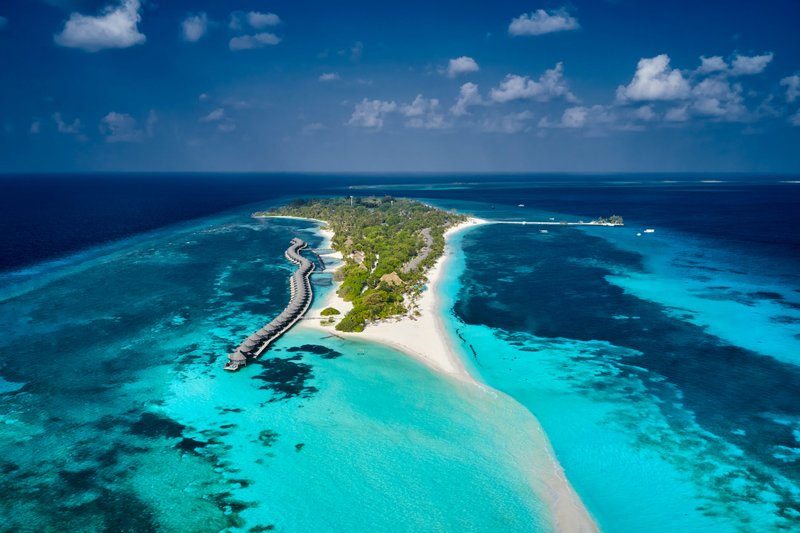
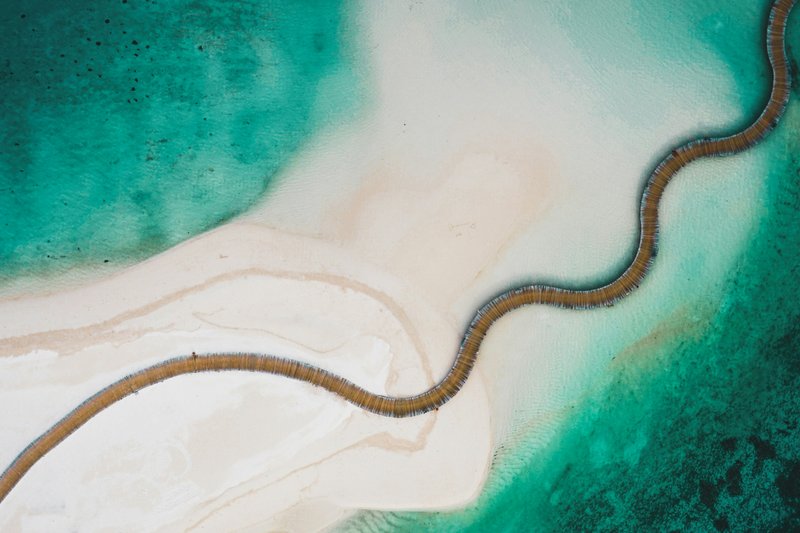
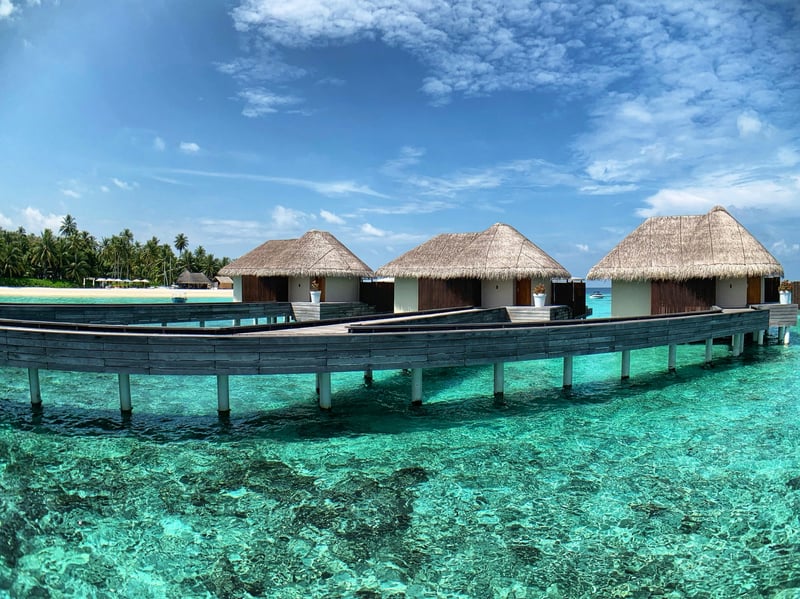
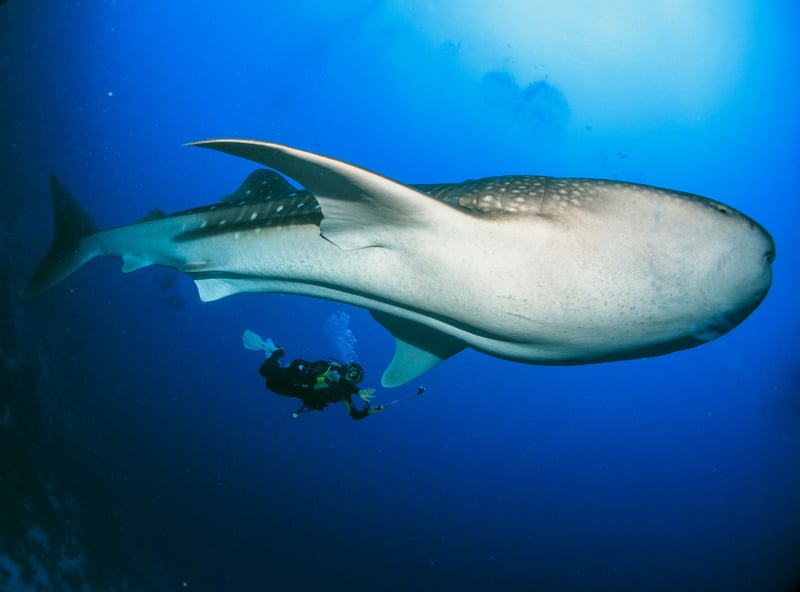
Accommodation here follows a distinct pattern: one island, one resort. Properties range from sprawling complexes with multiple restaurants and dive centres to intimate hideaways with fewer than twenty villas. Indonesia and the Maldives share the villa-on-stilts model, but Maldivian resorts push the format further—some villas extend a hundred metres into the lagoon, equipped with glass floors and direct sea access. Seaplane transfers are standard for distant atolls; speedboat routes serve resorts closer to Malé. Diving and snorkelling anchor the guest experience, with house reefs surrounding most islands. Singapore and Hong Kong generate steady visitor flows, alongside European markets during winter months. The shoulder seasons—April to May and October to November—bring occasional storms but fewer crowds and lower rates.