Kyushu's first Ritz-Carlton crowns Fukuoka's tallest tower, its floor-to-ceiling windows framing the Genkai Sea and Hakata Bay in cinematic sweeps. Guest rooms from 538 square feet showcase commissioned textiles from the city's oldest kimono-weaving atelier alongside works by local artists. Four restaurants—Genjyu for kaiseki, Viridis for European, Bay for wood-fired tapas—complement a spa drawing on regional botanicals, rice, and mugwort.
Where to Stay
Eight residences occupy this architectural experiment where vertical gardens climb through bold structural forms. Each space—Sound, Bar, Atelier, Retreat—functions as a short-term dwelling rather than conventional accommodation, with oversized windows framing Fukuoka and statement furnishings anchoring interiors designed for extended stays. The experimental lighting shifts between functional and atmospheric, serving creative professionals and design-minded travelers seeking domestic scale with hotel flexibility.
Forty-one rooms rise above Tenjin's mid-rise rooftops, their interiors threading mid-century modernism through traditional Japanese craft—clean lines softened by artisanal textures. The Kitchen commands the top floor, its panoramic windows framing the city while guests dine. Below, a constellation of restaurants and a street food hall animate the building's lower levels. Spa facilities with jacuzzi and sauna reward those seeking quiet restoration after urban exploration.
Outdoor gear maker Snow Peak brings its back-to-nature ethos to Aburayama Forest, where fourteen cottages and villas survey Fukuoka's glittering skyline from a wooded hillside laced with Shinto shrines. Private soaking pools and terraces outfit each accommodation, while a communal campfire lounge draws guests at dusk. The concept suits design-conscious travelers seeking refined camping without sacrificing creature comforts.
Furuyu hot spring's naturally tepid waters—hovering around 100°F—allow for prolonged, meditative soaks across six outdoor baths, from fragrant hinoki cypress tubs to a cascading waterfall bath. Guest rooms frame verdant mountain panoramas, while Atelier accommodations display winning pieces from the ryokan's art competition. Two locavore restaurants, one Italian and one Japanese, anchor the culinary program with seasonal regional ingredients.
Facing Hakata Bay from a seaside park twenty minutes outside Fukuoka, The Luigans offers 98 rooms split between crisp white minimalism and colonial-inflected rattan décor with ceiling fans. Tennis courts and gardens extend the resort grounds toward sandy beaches, while Italian Acca Kappa toiletries and complimentary mini-bar drinks add quiet indulgence. A rare coastal escape within easy reach of city and airport alike.
Ryu Kosaka, the designer behind the Mandarin Oriental Tokyo, shaped this sixteen-room retreat seven minutes from Hakata Station. Private balconies and deep soaking tubs define the accommodations, while a rooftop spa with outdoor jacuzzi offers urban escape. The fourth-floor Penthouse lounge, reserved for guests, pairs a library atmosphere with a lively bar scene; downstairs, Steakhouse Medium Rare showcases black wagyu beef alongside Italian fare at The Dining.
Perched directly on one of Itoshima's most coveted stretches of sand, this 47-room property pioneers a "self hospitality" philosophy—luxury facilities with deliberately understated service. Every room opens to sea views, and bathtubs positioned to catch the ocean breeze blur the line between interior and exterior. Guests drift between yoga sessions, e-bike explorations, and stand-up paddleboarding, making it ideal for active travelers seeking refined autonomy.
Reclaimed timber and brewing vessels from a former sake distillery anchor the common spaces of this 21-room boutique property in the historic castle town of Karatsu. Rooms in muted tones overlook the town's narrow traditional lanes, while Karae Table serves breakfast built on a strict fresh-local-organic-seasonal-sustainable ethos. An in-house cinema provides evening diversion for travelers seeking understated coastal retreats.
What to Do
Perched on the 24th floor above Fukuoka's harbor, this sanctuary features a 25-meter heated pool where floor-to-ceiling windows frame the cityscape—on misty mornings, swimmers float through clouds. Treatment rooms offer the same panoramic theater or, with blackout curtains drawn, complete cocoon stillness. Therapists work with ESPA products and local Japanese ingredients, while steam rooms, dry saunas, and a lounge with draped chaises extend the restorative hours.
Frequently Asked Questions
Which neighborhoods in Fukuoka have the best dining options?
+
Hakata and Nakasu concentrate the highest density of restaurants, from yatai street stalls to formal kaiseki establishments. Tenjin offers department store dining floors and the backstreet izakayas of Daimyo. For quieter, residential dining, Yakuin and Hirao attract neighborhood restaurants focused on seasonal ingredients.
What is the yatai food stall culture in Fukuoka?
+
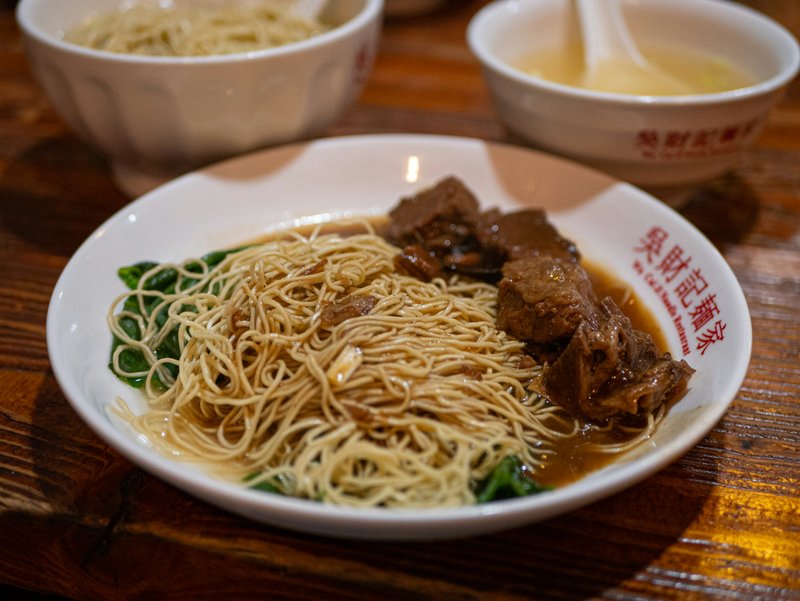
Yatai are mobile food stalls that set up nightly along the Naka River and around Tenjin. Each seats roughly eight guests at a counter, serving tonkotsu ramen, yakitori, gyoza, and oden. The tradition dates to post-war reconstruction, and roughly 100 licensed yatai still operate, creating an open-air dining experience unique to this city.
How does Fukuoka's coffee and café scene compare to Tokyo or Osaka?
+
The specialty coffee movement arrived later but has developed its own character, with roasters emphasizing direct trade relationships with Southeast Asian farms. Cafés tend toward minimalist design and quieter atmospheres than their metropolitan counterparts, often occupying converted residential spaces in Daimyo and Imaizumi.
Nearby Destinations
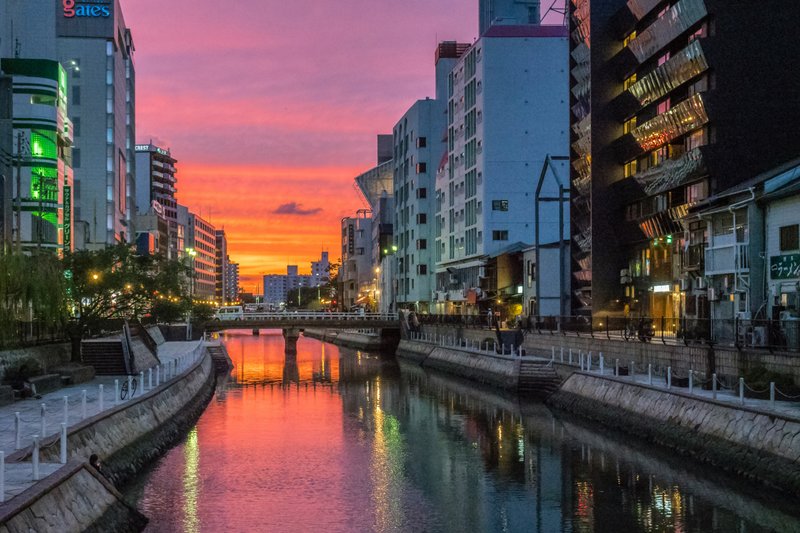
Explore JapanKyushu's largest city spreads across Hakata Bay, its dual identity reflected in its geography: Hakata, the historic merchant district east of the Naka River, and Tenjin, the modern commercial center to the west. Yatai food stalls line the riverbanks at dusk, their canvas flaps revealing counter seats where businessmen and tourists share bowls of tonkotsu ramen. The Nakasu entertainment district glows between the two rivers, while quieter Daimyo hides independent boutiques and third-wave coffee shops in narrow lanes.
The hotel landscape ranges from international towers clustered around Hakata Station to converted machiya townhouses in residential Yakuin. The dining scene draws from Kyushu's agricultural wealth — Saga beef, Ariake Sea nori, Itoshima vegetables — while the izakaya culture runs deep, with multi-floor drinking buildings stacked along covered shopping arcades. Morning markets at Yanagibashi Rengo bring the freshest catches from Genkai Sea, setting the day's menu across the city's kitchens.