Skip to content

Amakusa

1. TAYUTA

1 Michelin Key

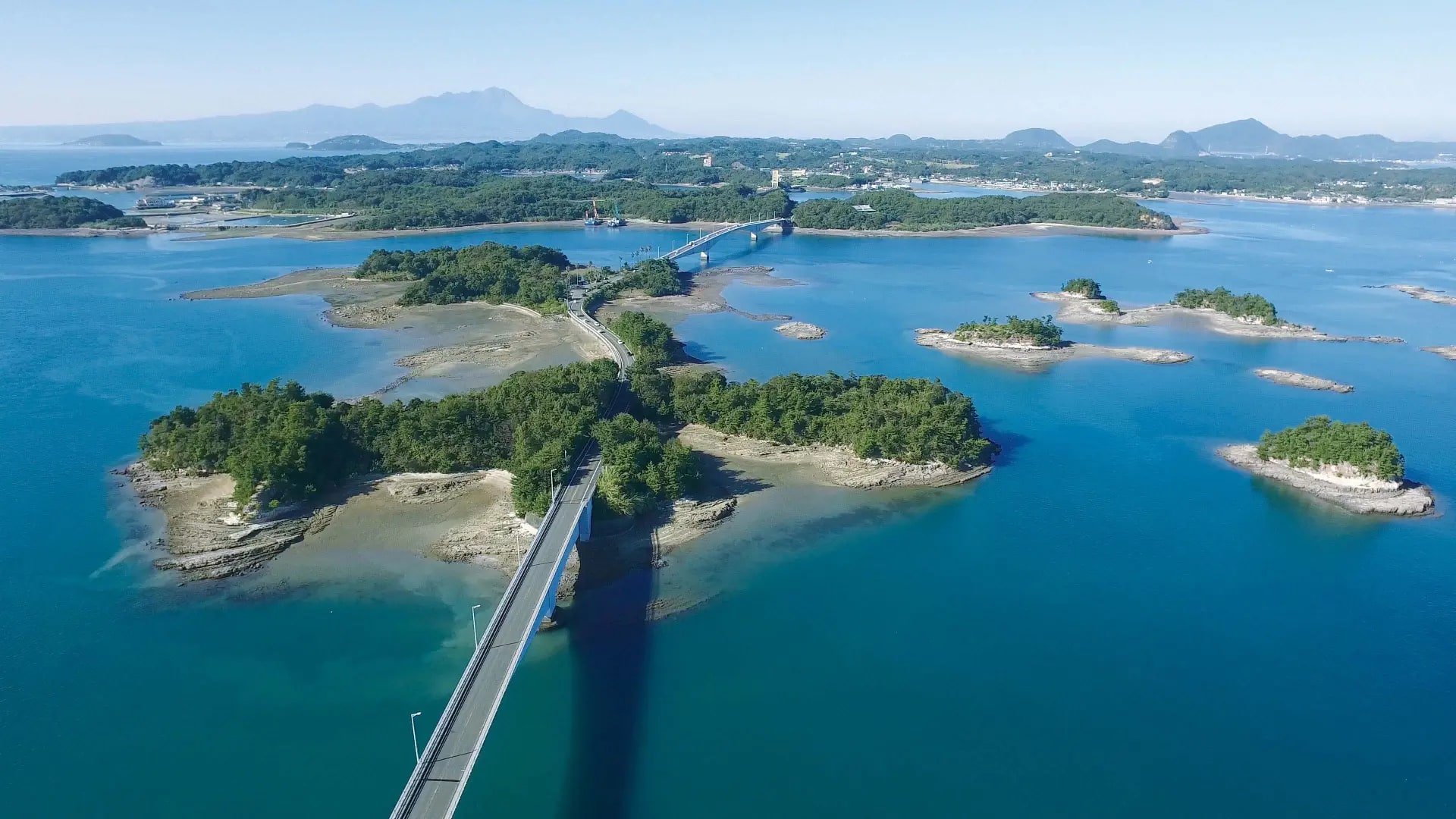
On Hiai Island, within Unzen Amakusa National Park, this adults-only retreat distills luxury to its essence: just twelve suites, each with private open-air onsen and sweeping views of the archipelago's distinctive seascape. The minimalist-luxe interiors balance modern lines with classic warmth, while the restaurant draws exclusively on local catches and island produce, served against panoramic coastal vistas. Absolute tranquility for couples seeking refined seclusion.

2. Amano Sabi

Amano Sabi occupies a quiet corner of Kamiamakusa's Matsushima coast, its adults-only policy ensuring undisturbed calm throughout. Traditional onsen baths draw from local hot springs, their mineral waters a prelude to the property's spa and sauna facilities. The atmosphere suits couples and solo travelers seeking contemplative stillness rather than resort bustle—a place where the rhythm of the Amakusa Islands dictates the pace.

3. L'isola THE BIRD

Sharp sawtooth rooflines and recessed balconies announce this 18-room retreat's modernist ambitions within Unzen-Amakusa National Park. Every room frames volcanic Mount Unzen and the Ariake Sea, where seabirds trace arcs across the horizon—the namesake inspiration. Wellness runs deep: a sauna complex, outdoor Jacuzzi, and infinity pool lead to a restaurant sourcing ingredients from Amakusa and Kumamoto. Architecture enthusiasts seeking coastal serenity will find a kindred spirit here.

4. Amakusa Tenku no Fune

Perched above the Amakusa archipelago, this ryokan-style retreat draws its identity from therapeutic onsen baths fed by natural hot springs. Families find ample space here, with a swimming pool complementing the traditional bathing rituals. Spa treatments extend the restorative theme, while the remote island setting ensures an unhurried pace suited to multi-generational groups seeking both relaxation and gentle adventure.

5. Gosoku no Kutsu

Three European-style villas echo Amakusa's history as sixteenth-century Japan's gateway to the West, their fifteen rooms opening onto forested hillsides and fed by natural hot springs. The hybrid ryokan format—traditional kaiseki dinner and breakfast included, yet with Western-influenced architecture—offers an accessible entry point for travelers curious about Japanese hospitality without full tatami immersion. A complimentary shuttle connects this secluded west-coast retreat to Hondo port and Amakusa airport.

Frequently Asked Questions

How do you reach the Amakusa Islands from Kumamoto?

+

The most common route is by car across the Five Bridges of Amakusa, a series of spans connecting the archipelago to the Kyushu mainland via the Uto Peninsula. The drive from Kumamoto city takes approximately ninety minutes to reach Hondo, the main town on Shimoshima. Buses also run from Kumamoto Station, though service is infrequent. From Nagasaki, a high-speed ferry crosses to Tomioka Port in about forty-five minutes.

What is the Christian history of Amakusa?

+

Portuguese Jesuit missionaries arrived in the 1560s and converted much of the local population. After Christianity was banned in 1614, believers practiced in secret for over two centuries as Kakure Kirishitan, hidden Christians. The Amakusa-Shimabara Rebellion of 1637-38, led by the teenage Amakusa Shirō, was brutally suppressed by Tokugawa forces. Today, historic churches like Sakitsu Church in its fishing village setting, and the Amakusa Christian Museum, document this complex heritage.

When is the best season to visit Amakusa?

+

Spring and autumn offer mild temperatures and calmer seas ideal for dolphin watching and coastal exploration. Summer brings swimming season to beaches like Shirahama and Wakamiya, though humidity is high. Winter remains mild compared to much of Japan, and the off-season quiet can appeal to those seeking solitude. The wild Indo-Pacific bottlenose dolphins are present year-round, with sighting rates reportedly above ninety percent.