The Maybourne group's California debut channels the elegance of Claridge's through warm Art Deco interiors that honor Hollywood's golden era. Its ninth-floor rooftop delivers sweeping views to the Hollywood sign, while the blue-mosaic pool plays music underwater. The intimate Whisky Bar pours rare Macallan scotch alongside refined spa treatments and Uma Ayurveda rituals—classically indulgent, quintessentially Beverly Hills.
Explore Los Angeles
Where to Stay
The Peninsula Beverly Hills deploys a fleet of Rolls Royces and BMWs to ferry industry executives between power lunches at The Belvedere and afternoon tea in The Living Room, where Hollywood's elite commandeer overstuffed couches. Eighteen garden villas, secluded behind lush landscaping with private entrances, offer residential seclusion. The rooftop complex delivers a 60-foot heated pool with downtown, Century City and Hollywood Hills vistas, plus cabanas equipped with Apple TVs that convert into massage treatment spaces.
Built as an eighteenth-century replica of Château d'Amboise, this gothic-vaulted landmark on Sunset Strip has sheltered legends from Gable to Morrison since 1929. Each of its 63 rooms differs—poolside cabanas, Art Deco suites, Latin bungalows with Frette linens—while a strict no-photos policy and personalized service preserve the privacy that made Greta Garbo choose its lobby sofa over rowdy parties upstairs.
Santa Monica's 1920s Italianate landmark remains one of just two Los Angeles hotels with direct beach access. The interiors, refreshed by Michael S. Smith—designer of the Obama White House—balance period grandeur with contemporary comfort across 129 rooms. Terrazza's floor-to-ceiling windows frame Pacific views over coastal Mediterranean plates, while two-story penthouse suites evoke Italian seaside villas complete with fireplaces and formal dining rooms.
The century-old Fairmont Miramar occupies five Pacific-facing acres in Santa Monica, anchored by a towering fig tree and 31 freestanding bungalows scattered through lush gardens—the city's most sought-after accommodations. A shuttle ferries guests to the private beach club, while on-site diversions include the eight-seat Soko sushi counter in the lobby, where chef Masa Shimakawa plates omakase with sake pairings, FIG's legendary happy hour, and Exhale Spa's Turkish bath and signature facial massages.
The Regent Santa Monica Beach emerged from a $150 million transformation to deliver contemporary Mediterranean luxury across 167 spacious rooms with Pacific-facing floor-to-ceiling windows. Egyptian chef Michael Mina's Orla serves Levantine-inflected dishes—Dover sole in phyllo, lamb shank koshary—on an oceanfront terrace, while the 10,000-square-foot Guerlain spa, the French house's first West Coast outpost, offers exclusive crystal sound baths and honey rituals. Complimentary beach butler service and the city's largest hotel pool deck complete the resort experience.
Kelly Wearstler's sculptural renovation wraps a 1920s Spanish Colonial building in contemporary luxury, complete with vintage furniture she collected over two decades and curated works by Los Angeles artists. Surya Spa—the first Ayurvedic sanctuary in an American hotel—offers treatments ranging from hour-long massages to 21-day Panchakarma retreats, while Calabra occupies Santa Monica's only rooftop pool deck. Chefs Jessica Koslow and Gabriela Camara helm Ondo, blending Mexican and Californian flavours across 267 rooms.
Michael S. Smith's Cape Cod-inspired design brings East Coast elegance to Santa Monica's shoreline, with original artworks by Hockney and Lichtenstein anchoring interiors rich in marine heritage. Ocean-view suites—some with working fireplaces—open directly onto the sand, while 1 Pico serves seasonal California cuisine beneath antique boat hulls and art nouveau lanterns. The lobby lounge draws celebrity patrons and industry insiders for live music and cocktails, cementing its status as a local institution beyond the typical resort.
The Georgian's turquoise-and-gold Art Deco tower has anchored Ocean Avenue since 1933, when it rose as Santa Monica's first seaside skyscraper at the terminus of Route 66. A 2023 renovation by Fettle preserved original peepholes and robin's-egg exteriors while layering Wes Anderson-esque whimsy throughout 84 rooms—28 Pacific-view suites deliver Victrola turntables, Polaroid cameras, and call buttons summoning champagne or vintage book carts. Below street level, The Georgian Room speakeasy hides behind a voice-monitored entrance, pouring stiff cocktails under crimson walls where Dick Van Dyke once performed in vaudeville.
Beverly Hills' only independent luxury hotel, L'Ermitage shelters just over 100 suites beneath a discreet exterior, cultivating the intimacy of a private residence where staff memorize guest preferences. Glamorous mid-century interiors blend Venetian cut-glass mirrors with champagne and metallic tones, while the rooftop pool—exclusively for residents—surveys the Hollywood Hills. L'Restaurant channels 1920s supper-club elegance through Californian-Israeli-French fusion, and the spa offers treatments in poolside cabanas.
Where to Eat
Michael Cimarusti's Hollywood flagship serves a rotating eight-course tasting menu built on wild-caught American seafood—California spiny lobster, Alaskan king salmon, salt-roasted Santa Barbara spot prawns—matched with a rooftop garden that supplies herbs, edible flowers, and honey from Italian hives. Classic technique meets coastal restraint: soft-poached egg with uni, monkfish with shaved black truffle. Three Michelin stars, a Green Star for sustainability, and a roving bar cart that mixes cocktails tableside.
Chef Brandon Hayato Go conducts a single nightly seating for kaiseki diners, finishing many courses tableside with detailed explanation. The 2-Michelin-starred experience showcases seasonal ingredients—chilled charred eggplant with ginger and dashi, local corn and scallop kakiage, bonito smoked over rice bran straw—plated on vintage Japanese pottery and porcelain the chef has personally collected. Miso-glazed black cod folded into rice pot concludes the meal.
Chef Seigo Tamura's eight-seat counter delivers one-Michelin-starred omakase rooted in Osaka traditions, sourcing all seafood directly from Japan and aging prized tuna in-house. The progression balances sashimi with an unexpectedly high proportion of cooked preparations, while nigiri showcases firmer-textured rice sweetened subtly in regional style. Gracious Japanese hospitality frames the meal, from curbside greeting to the chef's personal farewell, creating an intimate yet polished experience for serious edomae enthusiasts.
Chef Max Boonthanakit's Michelin-starred kitchen delivers French technique sharpened by Southeast Asian spice, served in a high-energy dining room anchored by an open kitchen. The steak au poivre—caramelized to near-black, sliced thick, pooled in Cognac-peppercorn cream—is the signature move, while rigatoni stuffed with artichoke and Comté offers a quieter, equally confident counterpoint. Creative cocktails like the Saint-Germain round out a polished, unfussy experience.
Chef Curtis Stone and his brother Luke honour their grandmother's legacy with this dual-concept venue that operates as a butcher shop by day, then transforms into a Michelin-starred dining room at night. The Art Deco space, anchored by crystal chandeliers and a roaring fireplace, showcases humanely raised meats from local farms—most notably Blackmore Wagyu New York strip grilled over wood fire. House-made charcuterie and a multicourse tasting menu complete the carnivore-focused programme.
Chef Jonathan Yao's one-Michelin-starred table in the Row DTLA channels his Taiwanese heritage through bold Japanese technique: Dungeness crab with fish maw and crab-shell vinegar, spice-crusted duck in fluffy bao, pig ears ablaze with chili oil. The polished concrete and steel dining room frames an open kitchen where confident seasoning and maximum-impact flavors take center stage, matched by a meticulously crafted cocktail program that includes spirit-free options.
Jordan Kahn's Michelin-starred dining room channels a dreamlike forest with wild greenery and flickering shadows, setting the stage for dishes forged over open flame using zero-waste, sustainably sourced ingredients. Charred yam arrives cloaked in buttery sauce, smoked trout roe, and grilled hazelnuts; honey-grilled scallops share the plate with mustard greens and plantain dumplings in burnt onion jus. Even the drinks—cocktails free of refined sugar, wild-harvested teas—follow the same elemental philosophy.

Chef Nozomi Mori presides over an eight-seat counter where minimalist restraint frames exceptional omakase. Seafood flown in from Japan several times weekly becomes the canvas for exquisitely intricate knifework—squid nigiri demonstrating finely tuned shari and precision cuts. Seasonal produce from Santa Monica's farmers market punctuates the procession, while the chef herself prepares matcha tableside as a graceful finale. Purity and refinement define every course, earning the kitchen one Michelin star.

Chef Morihiro Onodera helped shape Los Angeles's sushi identity, and his omakase reflects decades of refined craft. Seafood arrives from Tokyo's Toyosu market, prepared alongside Akitakomachi rice from his native Iwate Prefecture. The format merges cha-kaiseki traditions with classic omakase progression, building toward tuna as the evening's climax. Every dish arrives on pottery the chef shapes himself—an intimate, unhurried counter experience carrying one Michelin star.
Chef Josef Centeno's Michelin-starred kitchen presents a pescatarian prix-fixe rooted in Japanese and Italian traditions, served at an intimate counter overlooking the open flames. The satsuki porridge—a silky moat of parmesan cream crowned with Santa Barbara uni—anchors a menu built on peak-season ingredients: flash-seared tuna with pluots and dill aioli, squid ink spaghetti threaded with Maine lobster and fava greens, snapper over sweet corn polenta.
Frequently Asked Questions
Which neighborhoods should I stay in for different experiences in Los Angeles?
+
Beverly Hills and West Hollywood suit those seeking proximity to shopping and nightlife. Santa Monica and Venice appeal to visitors prioritizing beach access and outdoor lifestyle. Downtown LA works well for architecture enthusiasts and those interested in the contemporary dining scene, while Hollywood remains the choice for first-time visitors wanting proximity to entertainment landmarks.
What is the best time of year to visit Los Angeles?
+
September through November offers warm days, fewer crowds, and clearer skies after the marine layer of early summer burns off. Spring brings wildflower blooms in surrounding canyons. Summer means beach season but also tourist peaks, while winter remains mild by most standards, with temperatures rarely dropping below 10°C even in January.
How does the food scene vary across different LA neighborhoods?
+
Koreatown concentrates Korean barbecue and late-night dining. The San Gabriel Valley — particularly Monterey Park and Alhambra — offers some of the most authentic Chinese regional cuisines outside Asia. Little Tokyo maintains traditional Japanese establishments, while the Westside neighborhoods of Santa Monica and Venice lean toward farm-to-table California cuisine. Downtown's Arts District has emerged as a hub for innovative chef-driven concepts.
Nearby Destinations
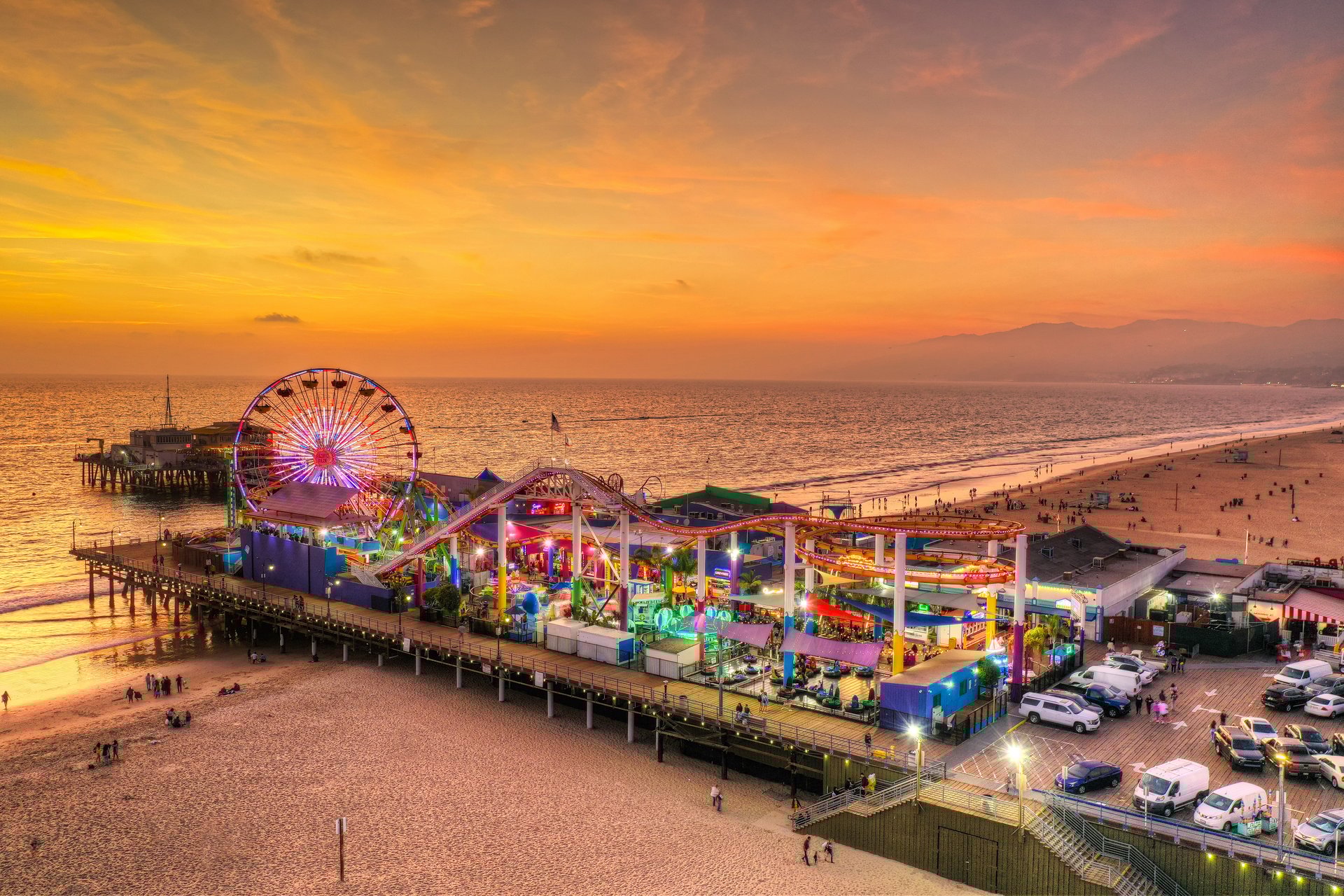
Explore USAThe sprawl of this Pacific coast metropolis rewards those who understand its geography. Beverly Hills delivers manicured elegance along Rodeo Drive, while West Hollywood's Sunset Strip pulses with creative energy after dark. Santa Monica offers salt air and pier-side strolls; Downtown's Arts District has transformed former warehouses into chef-driven dining rooms and gallery spaces. Each neighborhood operates on its own rhythm, connected by palm-lined boulevards that frame the San Gabriel Mountains to the east.
The dining scene reflects decades of immigration and innovation. Koreatown serves banchan until 2 a.m., Little Tokyo maintains decades-old sushi counters, and the Eastside neighborhoods of Silver Lake and Echo Park have become proving grounds for young chefs. Our selection of best restaurants spans Michelin-starred tasting menus to essential taco stands. For accommodation, the best hotels range from storied Hollywood landmarks to minimalist beach retreats, many featuring the rooftop and poolside settings that define California hospitality.