


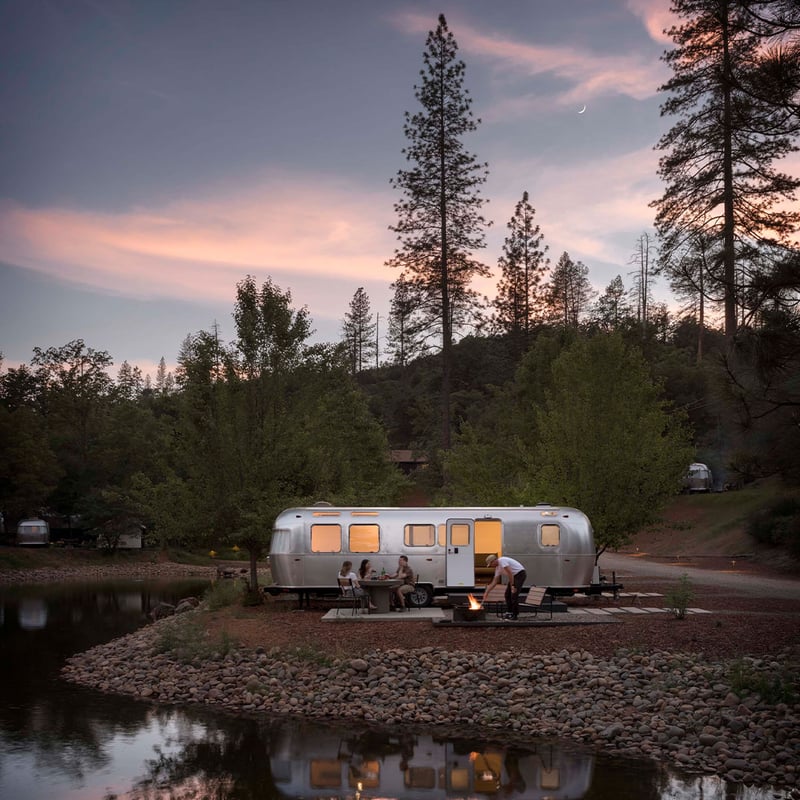
Custom Airstream trailers and luxury tents cluster around a mid-century modernist Clubhouse complete with pool, firepits, and indoor-outdoor lounge—a striking departure from Yosemite's traditional lodging aesthetic. Families gravitate toward the BaseCamp Suites, which pair an Airstream with a teepee-style tent for extra space. The property welcomes pets, offers EV charging and bikes, and sits on a public shuttle route to the park's Arch Rock entrance.
Yosemite National Park Travel Guide: Best Hotels, Restaurants & Experiences 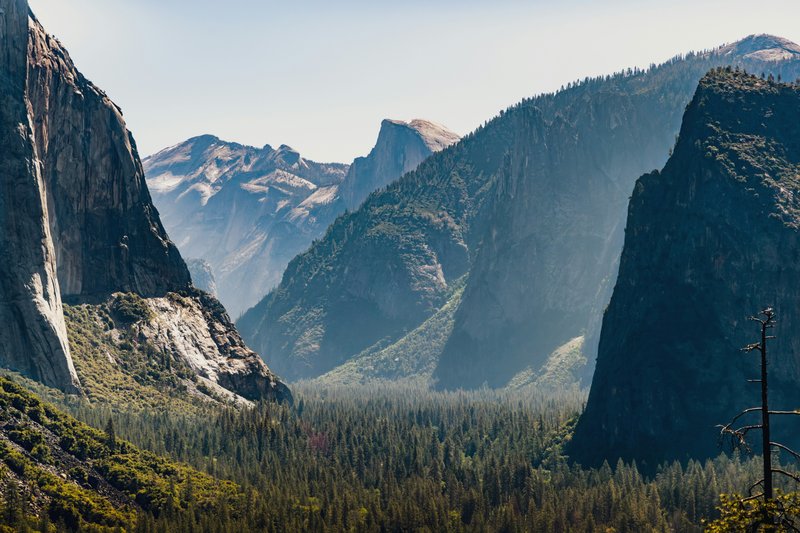
Explore Yosemite
Hotels (3)
Where to Stay

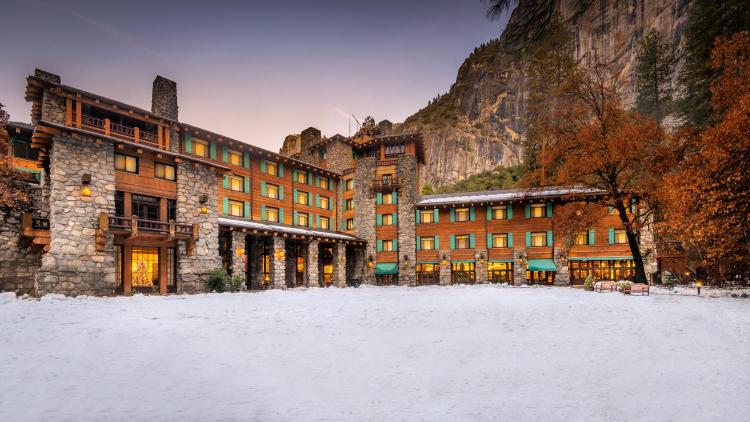
A 1920s National Historic Landmark, The Majestic Yosemite Hotel remains the definitive address within the park—no other lodging here comes close. The granite-and-timber architecture channels rustic grandeur, while the location earns a perfect score for proximity to Half Dome and Yosemite Falls. Families benefit from connecting rooms and complimentary rollaway beds, though the real draw is waking up inside this protected wilderness cathedral.

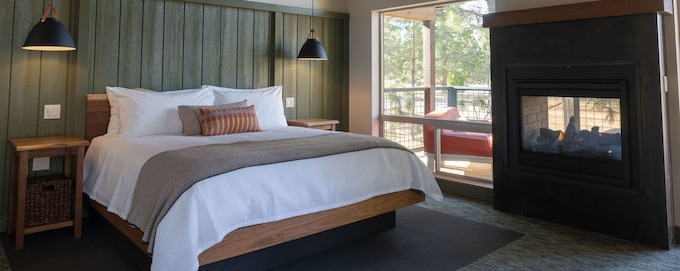
The first significant lodging development near Yosemite in decades, Rush Creek spreads across 20 wooded acres with clean-lined contemporary rooms and two-bedroom villas. A saltwater pool and twin hot tubs anchor the grounds, while an inventive spa surprises with its sophistication. Families gravitate toward the playground's mini zipline, bocce courts, and game room—a rare combination of polish and mountain-lodge warmth.

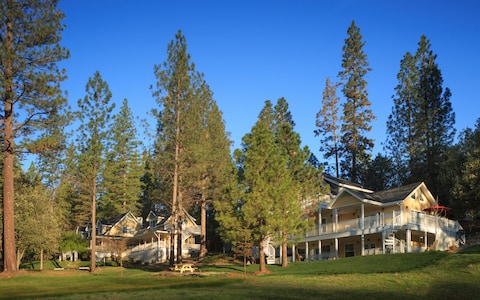
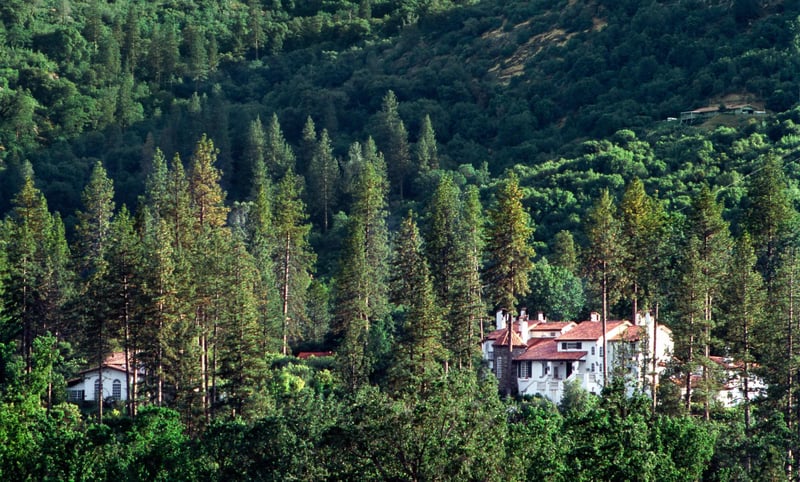
Spread across 36 acres near Yosemite's western entrance, this adults-only bed-and-breakfast keeps things intimate with just ten rooms. The owner-operators take a hands-on approach, personally guiding guests through park itineraries and local discoveries. Arabian horses graze the pastoral grounds, lending a genteel country atmosphere that suits couples seeking quiet romance before or after days spent exploring the valley.

Sprawling across 300 secluded acres roughly thirty minutes from Yosemite's gates, Firefall Ranch delivers a family-friendly mountain escape with genuine breathing room. Multi-bedroom villas accommodate groups comfortably, while the property's lakeside hammocks and poolside diversions—ping pong, shuffleboard, foosball—keep all ages occupied. Evenings center on s'mores beneath the Sierra stars, a ritual that captures the ranch's relaxed, communal spirit.

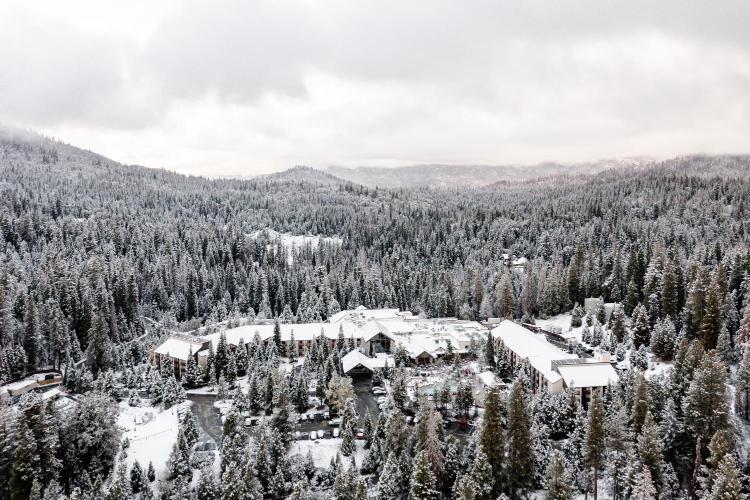
Tenaya Lodge operates as a full-service basecamp for active families exploring Yosemite's wilderness. Multiple pools—both indoor and outdoor—anchor the resort's recreation program, while seasonal offerings shift from guided hikes and e-biking to snow tubing and ice skating. Children gravitate toward nightly dive-in movies at the indoor pool and a game room stocked with skee-ball and Foosball tables. Jackalope's Bar & Grill provides casual family dining.

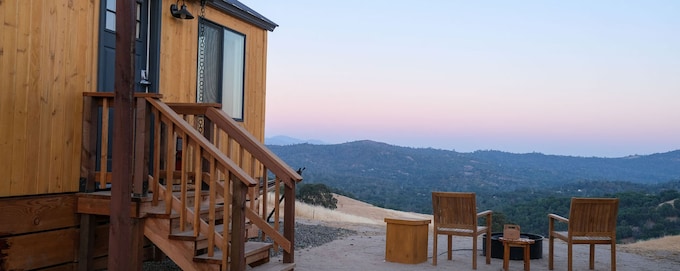
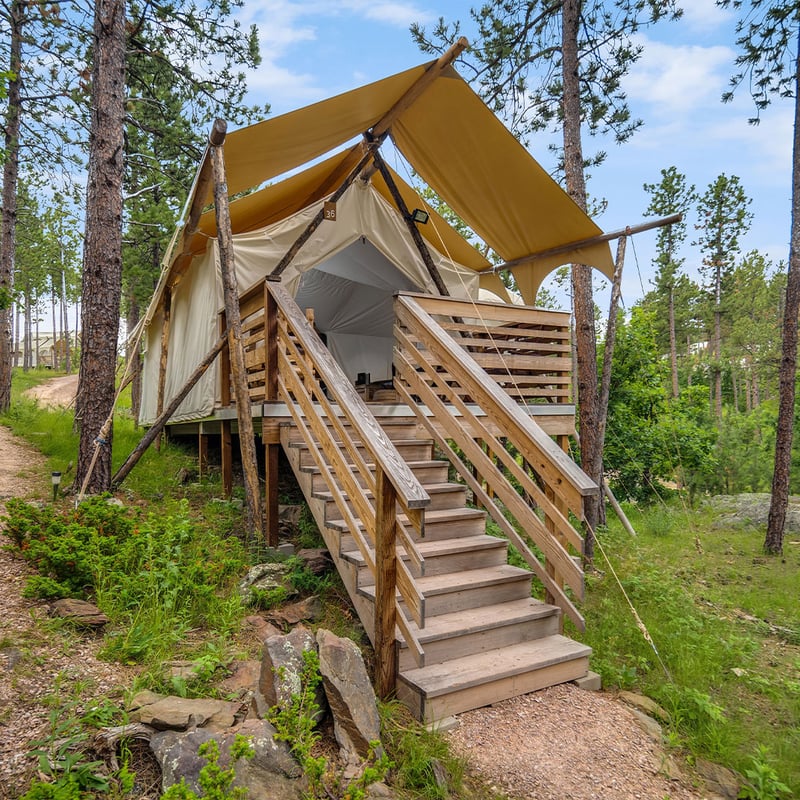
Platform tents with private fire pits and generous decks offer a refined take on camping at this glamping retreat less than an hour from Yosemite. Cabins come equipped with picture windows and stocked kitchenettes, while flexible sleeping arrangements—lofts with up to three twin beds, tents with bunk configurations—suit families of varying sizes. A historic former mining town lies just minutes away for off-site exploration.

Elegant white safari tents dot 85 forested acres near Yosemite's west entrance, each fitted with king beds, private decks, and en-suite bathrooms stocked with organic products. The Stargazer tent features a ceiling window for nighttime sky viewing from bed. Evenings center on a communal campfire with complimentary s'mores, while pet-friendly policies and family-sized suites accommodate varied travel parties.
What to Do

Relais & Châteaux
At the gateway to Yosemite, Spa Sureau channels the surrounding wilderness into its treatment philosophy. Lavender, elderberries, chamomile, and champagne extracts form the basis of exfoliations, wraps, and massages, while hydrotherapy, dry sauna, aromatherapy, and chromotherapy deepen the restorative effect. The intimate Salon du Sureau offers couples a private retreat within this nature-inspired sanctuary.
Frequently Asked Questions
When should I book accommodation inside Yosemite National Park?
+
Reservations for peak season (May through September) typically open in batches starting in February and sell out within minutes for popular properties like the Ahwahnee and Yosemite Valley Lodge. Winter bookings are considerably easier to secure on shorter notice, often just weeks ahead.
What is the difference between staying in Yosemite Valley versus Wawona?
+
Yosemite Valley places you within walking distance of the park's iconic granite formations, waterfalls, and main visitor services, but comes with higher crowds and noise. Wawona sits 45 minutes south near the Mariposa Grove of giant sequoias, offering a more relaxed, historic atmosphere suited to guests prioritizing tranquility over proximity to valley landmarks.
Are there fine dining options inside Yosemite National Park?
+
The Ahwahnee Dining Room represents the sole formal dining experience within park boundaries, serving California cuisine in a grand 1927 hall. Reservations are essential for dinner. Other options remain casual — cafeterias, pizza decks, and grab-and-go counters. For broader culinary variety, Mariposa town offers farm-to-table restaurants a 45-minute drive from the valley.
Nearby Destinations
Explore USA




Yosemite
Yosemite Valley concentrates most accommodation options within view of Half Dome and El Capitan, from the 1927 Ahwahnee with its Native American-inspired architecture to canvas tent cabins at Curry Village. Wawona, near the park's south entrance, offers a quieter Victorian-era atmosphere around the historic Wawona Hotel, built in 1879. For those seeking seclusion, properties along Tioga Road provide high-country access during summer months, while Mariposa and El Portal — gateway towns just outside park boundaries — fill the gap with boutique inns and full-service resorts.
The park operates on a seasonal rhythm that shapes every stay. Winter transforms the valley into a snow-draped sanctuary with significantly reduced crowds, while summer demands reservations made months in advance. Spring brings waterfalls at peak flow; autumn offers golden oak meadows and crisp Sierra air. Dining within park limits remains limited to concessioner-operated restaurants, though the Ahwahnee Dining Room maintains formal service beneath 34-foot ceilings and sugar pine trestles — jackets encouraged at dinner.