Silver-boom grandeur meets mountain-modern polish at this 1889 landmark, where Jerome Wheeler once installed Aspen's first elevator and pioneering electric lights. Todd-Avery Lenahan's 2012 redesign gave the interiors a sleek alpine sensibility, while rooms averaging 525 square feet rank among the town's most spacious. Post-ski rituals unfold at outdoor Jacuzzis and a basement spa specializing in botanical treatments—a retreat suited to travelers seeking historic character with contemporary comfort.
Where to Stay
Built on the site of Aspen's legendary Limelite nightclub, this downtown property channels relaxed mountain hospitality rather than the polish typical of Colorado's priciest resort town. Families settle easily here—a games-stocked lobby bookcase, heated pool, and crowd-pleasing pizza keep younger guests occupied while parents unwind. Dogs are welcome, and the location earns top marks for ski-town convenience.
Ski-in/ski-out access to the largest of Aspen's four mountains anchors this 173-suite property, where Kelly Wearstler's modern-Zen interiors—bare wood refined rather than rustic, antlers deployed sparingly—replace the expected Alpine lodge formula. Jean-Michel Gathy's guest quarters range from studios to four-bedroom residences. A curious touch: poolside cabanas, a warm-climate concept that proves unexpectedly apt against Colorado snowfields.
Where to Eat
Chef Barclay Dodge's one-starred Bosq operates in a dimly lit, atmospheric space where foraging and fermentation drive a customizable tasting format of four or more courses. Hand-picked spruce tips and butter from local cooperative dairy cows anchor the menu, while New England lobster takes on mountain character grilled over juniper wood. The loquacious staff and serious wine list complete an intimate evening.
Inside the iconic Hotel Jerome, Prospect delivers a colorful, eclectic setting for three daily meals rooted in Colorado's seasonal bounty. Mornings bring American comfort—house-smoked salmon bagels, chicken-fried steak—while evenings shift toward Mediterranean inflections: lumache pasta with pesto and stracciatella, Colorado lamb loin paired with caponata and babaganoush. A well-stocked bar anchors the convivial atmosphere throughout.
Silver-hued and slope-adjacent inside The Little Nell, Element 47 honors Aspen's mining heritage with a 20,000-bottle wine collection and executive chef Matt Zubrod's market-driven cuisine. Ingredients shift daily—sometimes hourly—based on what arrives freshest, shaping dishes of roast duck, lobster, and Wellington built on locally sourced game and sustainable seafood. The sleek, contemporary dining room suits evening occasions that warrant deliberation over both plate and pour.
Mawa McQueen's Côte d'Ivoire heritage infuses this contemporary Aspen table with bold West African accents—her chicken and seafood gumbo arrives richly spiced, while black-eyed pea hummus comes layered with pickled, charred, and smoked vegetables. The cuisine moves fluidly between old-world traditions and new-world invention. A breezy outdoor terrace and mood-lifting interior make lingering through dessert, particularly the acclaimed cheesecake, essential.
What to Do
Thailand's celebrated RAKxa retreat chose Aspen for its first international location, occupying 14,000 square feet within The St. Regis with 17 treatment rooms and dual wet lounges. The altitude-conscious menu features oxygen-infused facials and trigger point massages, while hot and cold plunge pools accelerate post-ski recovery. Oxygen stations throughout the relaxation lounge address mountain acclimation, and Rowland+Broughton's rugged-chic interiors layer natural stone and wood with plush modern furnishings.
Frequently Asked Questions
Which Aspen neighborhoods offer the best accommodation options?
+
The downtown core around East Cooper Avenue provides walkable access to restaurants and nightlife. Red Mountain delivers seclusion with valley views. The West End appeals to those seeking residential quiet minutes from the gondola, while Snowmass Village suits families prioritizing ski-in convenience.
When is the ideal time to visit Aspen?
+
Peak ski season runs December through March, with February offering the most reliable snowpack. Summer visitors arrive June through September for hiking, cultural festivals, and cooler mountain temperatures. Shoulder seasons — late April and November — bring lower rates and thinner crowds, though some establishments close briefly.
How does Aspen's dining scene compare to other mountain destinations?
+
The concentration of accomplished restaurants surprises first-time visitors. Decades of affluent seasonal residents attracted culinary talent that stayed year-round. The result: Japanese, Italian, and contemporary American kitchens operating at metropolitan standards, supported by sommeliers and service teams drawn from major cities.
Nearby Destinations
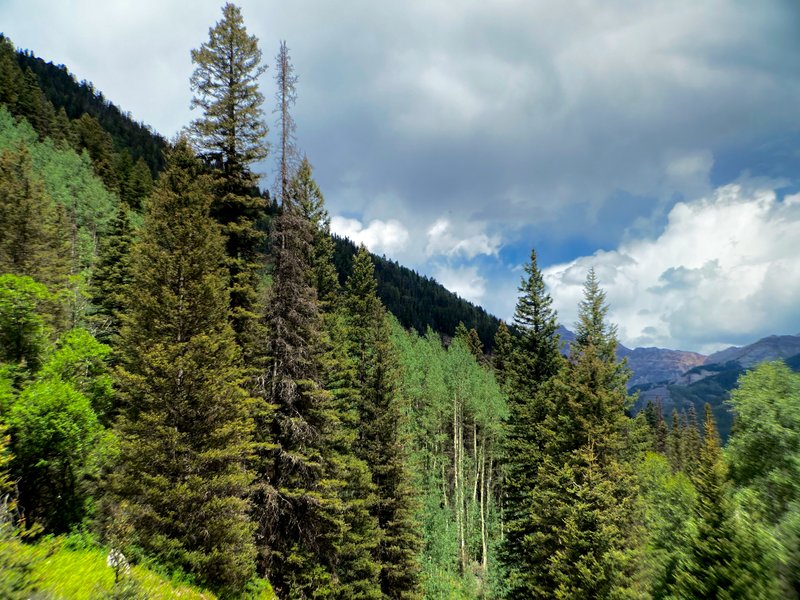
Explore USAAt 7,908 feet in the Elk Mountains, this former silver mining camp reinvented itself as a winter playground for industrialists in the 1940s. The historic core along East Hopkins Avenue and South Galena Street retains Victorian brick facades now housing galleries and après-ski institutions. Beyond the downtown grid, properties spread across Red Mountain, the West End's quiet residential streets, and along the Maroon Creek corridor toward the Highlands base area.
The dining scene reflects decades of hosting discerning palates. Expect French-trained chefs working with Colorado lamb and elk, omakase counters tucked behind unmarked doors, and wine programs rivaling coastal capitals. Summer transforms the valley — mountain biking, fly fishing on the Roaring Fork River, and the Aspen Music Festival fill the calendar from June through August, when wildflowers blanket the high meadows above Ashcroft ghost town.