Essaouira's sole Relais & Châteaux address occupies a 19th-century riad where African, Moorish, Portuguese, English and Oriental influences converge across four distinctive suite styles, each appointed with king-sized beds and oversized bathtubs. A traditional hammam and rooftop pool commanding views of the medina and Atlantic complete the picture, while cooking classes and wine tastings reward travelers seeking immersion beyond the beach.
Where to Stay
A traditional ksar perched above the Ksob river, Le Jardin des Douars wraps 24 rooms in rammed-earth walls and tadelakt surfaces. Garden paths wind through palm and bougainvillea to two heated pools—one reserved for adults seeking the infinity-edge quiet, the other welcoming families. The hammam offers argan-oil treatments, while La Table des Douars serves inventive French-Moroccan cuisine by candlelight.
Once a Jewish merchant's warehouse for almonds and carobs, this seven-room boutique hotel retains its vaulted stone chambers—now home to the After Five bistro, where cooking workshops complement Atlantic-facing evenings. Traditional tadelakt walls meet clean contemporary lines throughout, while the expansive roof terrace captures sweeping views of Essaouira's coastline. A wine cellar, wood-burning fireplace, and pet-friendly policy suit travelers seeking intimacy over grandeur.
Spread across the laid-back surf village of Sidi Kaouki, Rebali Riads operates as a collection of one- to five-bedroom villas with full hotel services. Larger properties come with private walled gardens and pools; smaller units share a communal pool from shaded terraces. The self-catering format suits families drawn to windswept beaches and an unhurried Atlantic coast rhythm, adventure included.
An 18th-century merchant's house turned flamboyant retreat, Salut Maroc celebrates traditional Moroccan zellije with hand-cut tiles covering floors and walls in vivid geometric patterns. Ocean views sweep across the Atlantic from this colourful perch in Essaouira's medina. The intimate scale and attentive staff make it particularly appealing for families, with children welcomed and thoroughly indulged throughout their stay.
The original riad hotel of Essaouira occupies an 18th-century building within the UNESCO-protected medina, its front-row position delivering unobstructed Atlantic views. Twenty-one rooms embrace a deliberately worn aesthetic, while a Carita-endorsed spa provides respite from the souks. Families find purpose-built apartments here, and a countryside annexe twelve kilometers out offers poolside seclusion for those seeking both coastal energy and rural calm.
What to Do
Black tadelakt walls absorb the light within this intimate spa, where subdued illumination and delicate fragrances establish an immediate sense of calm. The traditional hammam anchors a menu of personalized treatments that draw on ancestral Moroccan techniques alongside Eastern wellness traditions. Dedicated treatment rooms allow for unhurried rituals, each session tailored to individual needs rather than fixed protocols.
Frequently Asked Questions
What are the main areas to stay in Essaouira?
+
The medina offers traditional riads within the ramparts, particularly around Place Moulay Hassan and the Mellah. Outside the walls, beachfront properties along the corniche and toward Diabat provide a more contemporary coastal experience with direct ocean access.
When is the best time to visit Essaouira?
+
Spring (April-May) and autumn (September-October) offer mild temperatures and calmer winds. Summer brings the famous alizé trade winds that attract kitesurfers but can make beach lounging challenging. The Gnaoua World Music Festival in June transforms the town into a four-day celebration.
How does Essaouira differ from Marrakech?
+
Essaouira moves at a slower pace, shaped by its Atlantic setting and fishing port heritage. The medina is smaller and easier to navigate, the climate cooler year-round, and the atmosphere more bohemian — a legacy of its 1960s counterculture era. It functions well as a three-day escape from Marrakech, reached in under three hours by road.
Nearby Destinations
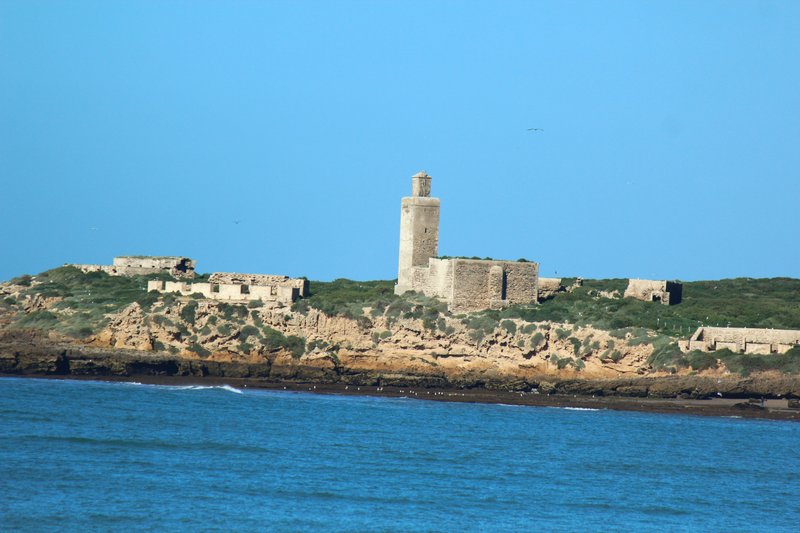
Explore MoroccoThe Atlantic wind that shapes Essaouira's character also defines its hospitality. Within the medina's eighteenth-century ramparts, Portuguese-built fortifications give way to narrow streets where riads have been converted into intimate guesthouses. The Mellah quarter and streets near Place Moulay Hassan offer properties with rooftop terraces overlooking fishing boats and the Îles Purpuraires.
Beyond the walls, the beach stretching toward Diabat and the dunes of Cap Sim has attracted a different style of accommodation — contemporary retreats where the sound of waves replaces the call to prayer. The town's reputation among windsurfers and kitesurfers since the 1980s means many properties cater to extended stays, while the creative community drawn here by musicians like Jimi Hendrix and the Gnaoua Festival has fostered guesthouses with genuine artistic sensibility rather than manufactured atmosphere.