Skip to content

Bel Ombre

1. Heritage Le Telfair Golf & Wellness Resort

Small Luxury Hotels

Colonial plantation elegance pervades this Bel Ombre estate, where villas with four-poster beds and parquet floors scatter through tropical gardens toward white sand. The Seven Colours Spa draws on chakra-based rituals across 2,500 square metres, while golfers command the Indian Ocean's only 45-hole complex, including the Oosthuizen-designed La Réserve Links. Twelve restaurants span historic mansion dining to barefoot Mediterranean fare—ideal for families with its dedicated baby, kids, and teens clubs.

2. Bubble Lodge (Mauritius)

Semi-transparent eco-domes rise from a working tea plantation in Mauritius's southern highlands, their curved walls framing uninterrupted views of surrounding greenery. The gourmet restaurant sources ingredients from the estate, while an extensive activities programme spans lake excursions under staff supervision, wildlife observation, and a sprawling natural playground. Lakeside bubbles accommodate families; hilltop and beachfront chalets remain reserved for couples seeking seclusion.

3. Lakaz-Chamarel hotel (Mauritius)

Former five-star hotel GM Jean-Marc Lagesse and his artist wife Virginie have fashioned an intimate inland retreat in the Mauritian highlands, where tropical gardens burst with flowers and the beach crowds feel distant. Garden suites come with outdoor bathtubs and shared pool access, while the kitchen earns particular praise. A personal, design-forward alternative for travelers seeking substance over scene.

4. SO Sofitel Mauritius

Thai architect Lek Bunnag and Kenzo Takada collaborated on this southern Mauritius retreat, where 84 suites feature private gardens with outdoor showers and Beach Villas add plunge pools overlooking the lagoon. Dining splits between La Plage's beachside tapas and Flamboyant's poolside haute French cuisine. The spa complex includes hammam, sauna, and hot spring facilities—a cosmopolitan sanctuary suited to design-conscious travelers and families alike.

Frequently Asked Questions

What makes the South of Mauritius different from other regions?

+

The south lacks the protective coral reef found elsewhere on the island, resulting in wilder coastlines with dramatic wave action at places like Gris Gris and Souillac. The interior rises into the Black River Gorges highlands, home to the island's last remaining native forests and endemic wildlife. Development is less intensive here, with former sugar estates converted into boutique properties rather than large resort complexes.

How do I visit the Black River Gorges National Park?

+

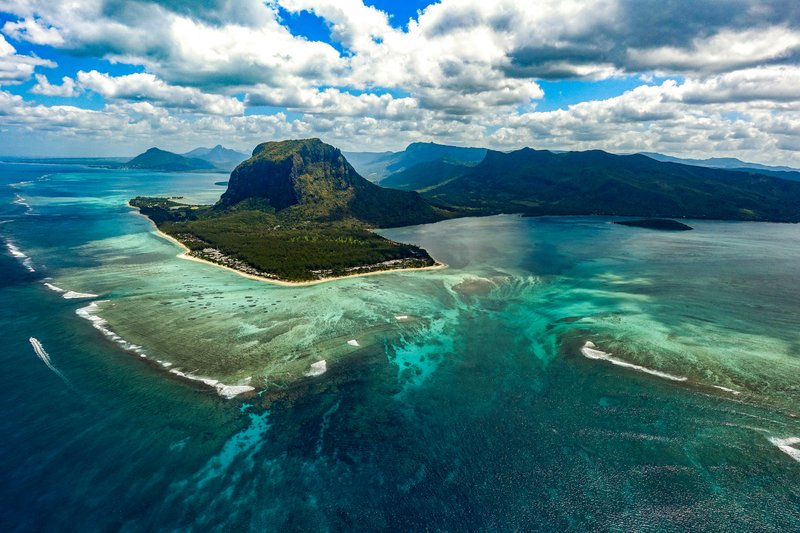
The park is accessible via several entrance points, with the main visitor center located near the village of Le Pétrin. Most hotels in the region arrange guided hikes ranging from easy nature walks to the challenging climb up Le Morne Brabant, a UNESCO World Heritage site. Early morning visits offer the best chance of spotting endemic birds including the echo parakeet and Mauritius fody.

What is the significance of Grand Bassin for visitors?

+

Grand Bassin, also called Ganga Talao, is a volcanic crater lake considered sacred by Mauritian Hindus, who believe its waters connect to the Ganges. A 33-meter statue of Shiva marks the entrance, and during the Maha Shivaratri festival each February, over 400,000 pilgrims make the journey on foot. Visitors outside festival time can explore the lakeside temples in relative quiet, though modest dress is expected.