Three Michelin stars crown this Park Lane dining room where technical precision meets Ducasse's philosophy of naturalité. The kitchen navigates between seasonal British ingredients and the chef's celebrated signatures with remarkable equilibrium—dishes arrive both intensely flavored and delicately balanced. Service unfolds with genuine warmth, while the legendary rum baba delivers a finale of pure, theatrical indulgence.
Explore London Restaurant
Clare Smyth's three-Michelin-starred Notting Hill restaurant delivers refined vegan-focused cuisine through two seven-course tasting menus—one showcasing signature dishes like the iconic 'Potato and roe' and Smoked Fowey mussels, the other driven by seasonal ingredients. The recently refreshed dining room exudes warmth, while the dedicated bar offers an intimate prelude. Each plate demonstrates meticulous construction and layered textures, culminating in the playful 'Core-teser' dessert.
Three Michelin stars crown this elegant Mayfair dining room, where wood panelling and soft pastels create unexpected intimacy within The Connaught's grand setting. The kitchen demonstrates remarkable technical precision with premium seasonal ingredients, drawing on global influences—Isle of Mull lobster arrives fragrant with tandoori spices. Conclude with the signature Baba, paired with Armagnacs sourced from Hélène Darroze's brother Marc.
Gordon Ramsay's Chelsea flagship holds three Michelin stars—one of only two London restaurants at this level. The kitchen delivers modern British cuisine with precise contrasts of flavor and texture, evident in signatures like lobster ravioli and roast veal sweetbread. The Menu Prestige unfolds as a sensory progression of extreme sophistication, while a three-course lunch offers an accessible entry point to this rarefied standard.
Inside an exuberantly decorated 18th-century Mayfair townhouse, Pierre Gagnaire orchestrates his signature multi-dish philosophy—a single langoustine course arriving with an intricate constellation of accompanying preparations, each element executed with obsessive precision. This three-Michelin-starred collaboration with restaurateur Mourad Mazouz functions equally as gallery and concert venue, bringing theatrical flair to sophisticated French gastronomy steps from Regent Street.
Brett Graham's three-Michelin-starred Notting Hill dining room ranks among the world's finest tables, built on an obsessive relationship with sourcing—pigs raised on his own farm, mushrooms cultivated in-house. The Modern British menu draws from French foundations with Japanese and Peruvian inflections, yielding dishes like hay-aged pigeon with girolles, vadouvan, cherry and sauerkraut. Service strikes that rare balance: polished yet genuinely warm.
Andrew Wong's two-Michelin-starred Victoria restaurant orchestrates a three-hour 'Collections of China' tasting menu that traverses the country's diverse provinces through dishes of remarkable sophistication and layered flavour. Lunch brings exceptional dim sum, available as a dedicated tasting sequence. Downstairs, the Forbidden City bar sets the tone before dinner, while knowledgeable service ensures each course receives its proper introduction.
Behind the grand façade of Hotel Café Royal lies an intimate dining room where chef Alex Dilling orchestrates two-Michelin-starred French cuisine with precision and flair. Each plate arrives as a study in harmony—Kaluga caviar, Scottish lobster, Peruvian chocolate—every element contributing its distinct note to compositions that thrill as much as they satisfy. A destination for those who seek refinement without pretense.
Perched atop The Peninsula in Belgravia, Claude Bosi's two-Michelin-starred dining room pays homage to British motorsport heritage—a scale Concorde suspended overhead, the space named for Surrey's legendary racetrack. Through floor-to-ceiling windows and an expansive terrace, London unfolds below while the kitchen delivers meticulously crafted dishes spotlighting Lake District lamb and Cornish squid with precision and restraint.
Rafael Cagali's two-Michelin-starred kitchen occupies the historic Town Hall Hotel in Bethnal Green, where pared-back contemporary design offsets Victorian grandeur. His surprise tasting menu traces a personal geography—Brazilian foundations, Italian ancestry, Spanish training—through courses that arrive vivid with colour and precise in technique. Thoughtfully original wine pairings underscore each progression, building toward a finale that rewards adventurous palates seeking boundary-crossing modern cuisine.
Frequently Asked Questions
Which London neighbourhoods offer the best concentration of high-end hotels?
+
Mayfair remains the traditional epicentre, with grand properties around Grosvenor Square and Park Lane. Knightsbridge offers proximity to Harrods and Hyde Park, while South Kensington appeals to those seeking museum access and embassy-lined garden squares. For a more contemporary scene, the City and Bankside have attracted sleek modern properties near St Paul's and the Tate Modern.
What distinguishes London's dining scene from other European capitals?
+
The sheer diversity sets it apart. Within a single square mile, you might find a Punjabi grill room, a Peruvian ceviche bar, and a proper English chophouse serving aged beef from the trolley. The city's colonial history and status as a global financial hub have drawn talent and traditions from every continent, creating a culinary landscape where no single cuisine dominates.
When is the ideal time to visit London for pleasant weather and cultural events?
+
Late spring—May through early June—brings mild temperatures, blooming parks, and the Chelsea Flower Show. September and October offer warm days, smaller crowds, and the autumn exhibition season at major galleries. Summer means longer evenings and outdoor concerts, though hotel rates peak during July and August school holidays.
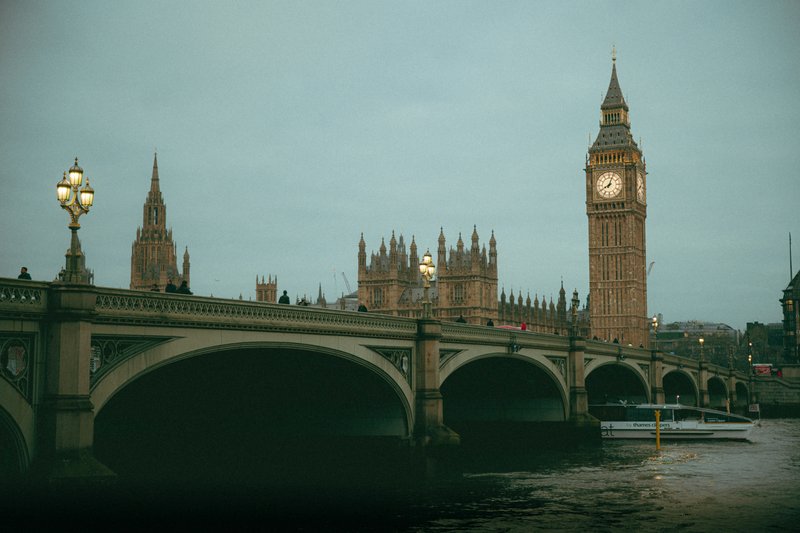
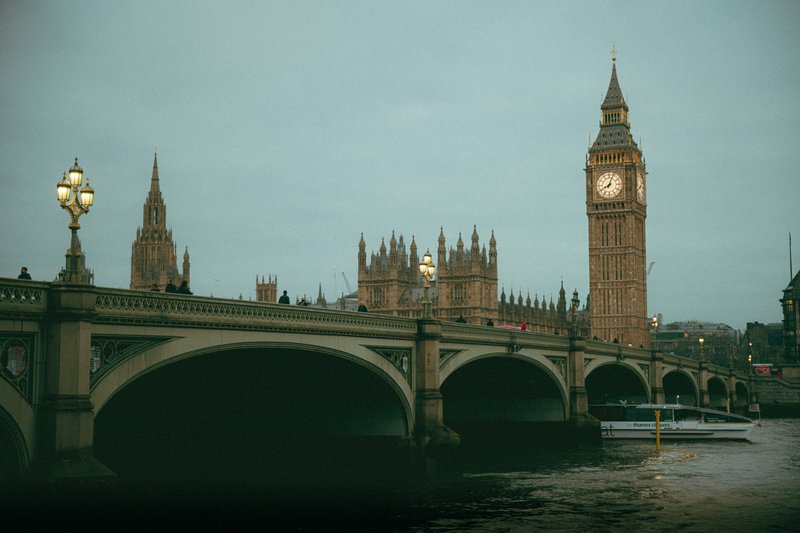
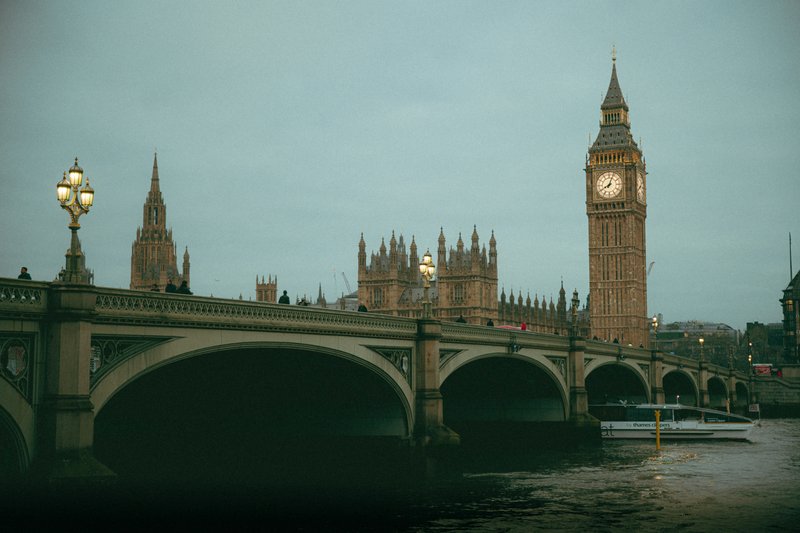
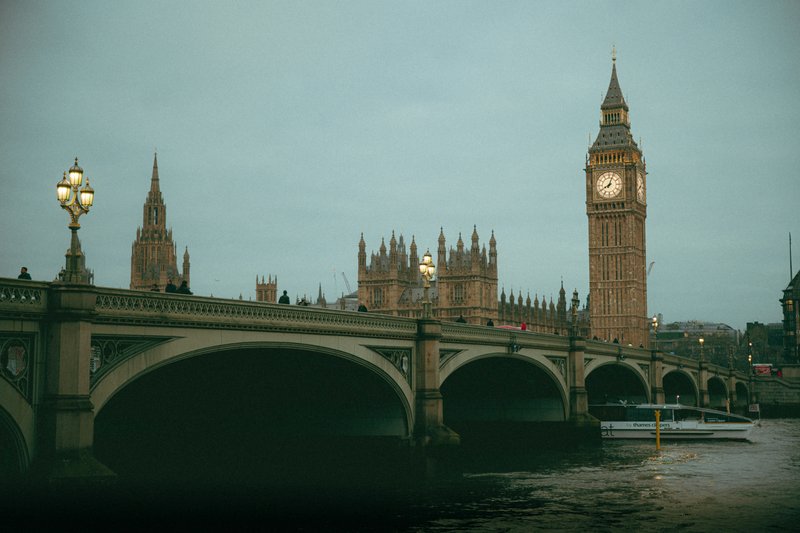
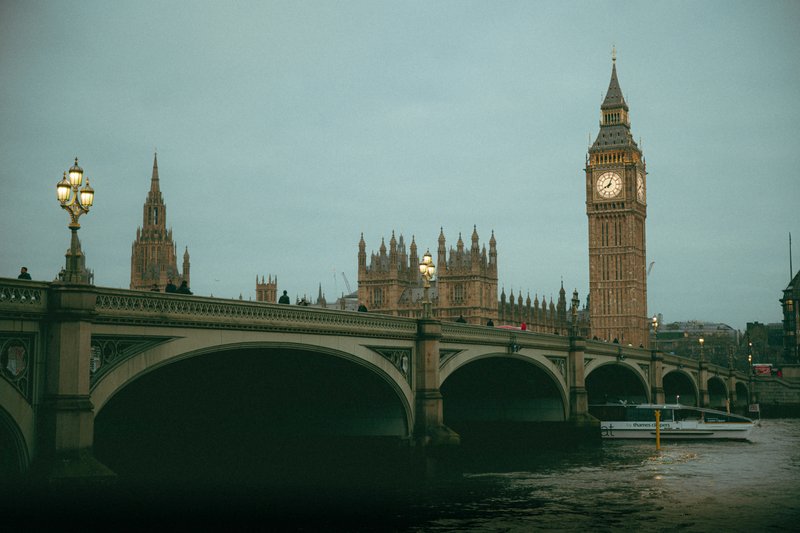
The Thames divides this sprawling capital into distinct territories, each with its own gravitational pull. Mayfair and St James's anchor the traditional centre of wealth, where Georgian townhouses line quiet squares and doormen in top hats still greet arrivals. Cross into Marylebone for a village atmosphere with independent shops along the High Street, or head east to Shoreditch and Clerkenwell, where converted warehouses now house some of the city's most inventive kitchens. Southbank has transformed from industrial neglect into a cultural corridor stretching from the Tate Modern to Borough Market.
The dining landscape reflects centuries of immigration and reinvention. Brick Lane's curry houses sit alongside Cantonese dim sum parlours in Chinatown, while Brixton Market pulses with Caribbean flavours. For refined cooking, Michelin stars cluster around Chelsea and Knightsbridge, though the best gastronomic restaurants now scatter across postcodes from Notting Hill to Hackney. The pub remains sacred—seek out proper Victorian gin palaces with etched glass and mahogany bars. Whether you're drawn to the best hotels flanking Hyde Park or prefer a discreet address in Fitzrovia, this is a city that rewards those who wander beyond the obvious landmarks.