Still owned by its founding family after nearly two centuries, this lakeside palace hotel occupies private parkland just off Bahnhofstrasse. Interiors drift between Art Deco, Louis XVI, and English Regency, while the Marguita Terrace delivers Alpine panoramas with drinks in hand. Two Michelin-starred dining anchors the culinary program, and breakfast features honey from the property's own beehives—a sweet detail befitting a hotel that once hosted emperors and artists alike.
Where to Stay
Norman Foster's sweeping contemporary wing embraces the original 1899 turreted château at a junction the hotel calls 'The Kiss,' while sculptures by Barry Flanagan and Carrier-Belleuse turn corridors into gallery spaces. Chef Heiko Nieder's two-Michelin-starred restaurant anchors the culinary program; the spa complex features indoor and outdoor pools, an infinity steam pool, and kotatsu foot baths. Signature suites by different designers include whirlpool baths and, in one, a grand piano.
Nine medieval townhouses fused through modern passageways create Zurich's most architecturally daring address. Swiss designer Tilla Theus filled the 49 individually conceived rooms with museum-caliber art and furniture—some feature exposed beams and baroque carved woodwork, others suspended metal catwalks. The two-Michelin-starred restaurant dispatches a Maserati to collect local diners, while the jazz-themed bar draws a sophisticated after-hours crowd.
Philippe Starck reimagined this century-old lakefront palace as an imaginary yacht club, lining interiors with red wood evoking boat hulls, bronze Venetian gondola heads, and light timber floors recalling a Riva deck. The rooftop La Muña delivers Peruvian-Japanese fusion beneath monumental rafters with 360° terraces, while starred chef Marco Ortolani's Eden Kitchen draws locals for Mediterranean fare. Sunset cruises and the adjacent historic Seebad Utoquai complete the nautical immersion.
A Sol LeWitt mural commands the double-height lobby of this contemporary landmark steps from Bahnhofstrasse and Lake Zurich. The aesthetic runs toward warm minimalism—clean lines, glass facades, rooms dressed in Carrara marble with deep soaking tubs. Dining centers on parkhuus, where a wood-burning oven anchors an open kitchen turning out refined Swiss cuisine, while the onyx-paneled bar glows with award-winning cocktails.
Eight centuries of hospitality survive within this timbered medieval inn, though a family architect transformed the interiors after a fire into spaces of thoughtful modernism. Nine bedrooms range from richly figured wood to minimalist white, the latter designed to frame views of the hilltop village below. The restaurant draws visitors from across the region, making this a worthy detour just twenty-two minutes from Zürich Airport.
Six centuries of hospitality inform every detail at this Limmat riverfront address, where a private jetty and jazz-drifting waterside bar set an intimate tone. Rooms dressed in warm hues and classic furnishings frame views of the Old Town and twin spires of Grossmünster. The Michelin-starred Rôtisserie anchors the dining program, its summer terrace suspended above the water—a setting that suits couples and culture-seekers equally.
Zurich's oldest grand hotel, dating to 1838, received a complete transformation by Parisian designer Tristan Auer that balances classical opulence with contemporary refinement. The 80-room property includes 36 of the city's largest suites, many with picture windows framing Alpine panoramas. A parasol-shaded rooftop bar overlooks Paradeplatz, while curated excursions—watchmaking workshops, chocolate tastings, Alpine fondue hikes—extend the Swiss immersion beyond the lobby.
The 150-year-old Hürlimann brewery lives on as an industrial-chic retreat minutes from Hauptbahnhof, its high arched windows and weathered brick now framing 60 contemporary rooms. A rooftop thermal pool with jets surveys the city, while the spa occupies vaulted former barrel cellars with monastic calm. The Library Lounge stacks 33,000 antiquarian books alongside Swiss tapas and house-brewed beer—guests may borrow volumes at breakfast.
A striking architectural pairing of traditional Swiss lakeside hotel and minimalist modern wing defines Seerose Resort & Spa on Lake Hallwil. Former boathouses now shelter the Cocon rooms—warm wood, textured concrete, water at arm's reach. The Cocon Thai Spa delivers an immersive wellness experience with genuine authenticity, while Restaurant Cocon pairs Swiss precision with Thai flavors in refined fusion. Ideal for design-minded travelers seeking lakeside calm.
Where to Eat
Patricia Urquiola's refined interiors set the stage for Andreas Caminada's sharing-focused concept on Zurich's historic right bank. Head chef Daniel Zeindlhofer delivers technically assured plates—a remarkably intense fish soup, duck and venison terrine laced with black truffle—that balance complexity with approachability. The exceptional champagne selection and regional wine pairings deserve attention, while the signature "candy store" finale sends guests home with a playful sweet memento.
A lift ascends to a minimalist dining room where dark tones frame a fully visible kitchen—the stage for Kevin Romes and Pascal Hobler's two-Michelin-star cuisine. Their six-course menu trades complexity for precision: Appenzeller duck meets persimmon and aubergine in striking contrast, while borscht paired with smoked eel delivers textural intrigue. Chefs present each course tableside; the non-alcoholic pairings rival the wine list.
Chef Mitja Birlo holds two Michelin stars at this sleek counter-dining concept steps from Zurich's main station. Guests settle onto bar chairs facing the open kitchen, watching a surprise tasting menu unfold—signature celeriac arrives three ways, layered with beetroot-black pepper sauce. Smaller parties can reserve the Chef's Table, while thoughtful alcohol-free pairings rival the wine programme in sophistication.
High above Zurich in the historic Dolder Grand, chef Heiko Nieder crafts two-Michelin-starred cuisine that anchors classical technique with bold Asian inflections—Breton lobster arrives with green curry vinaigrette, langoustine comes hot and sour. A towering glass wine cabinet dominates the elegant dining room, while sommelier Katharina Sarrot navigates the cellar with precision. The five-course lunchtime tasting offers an accessible entry point; a dedicated vegetarian menu reflects the kitchen's seasonal conviction.
Stefan Heilemann's two-Michelin-starred kitchen bridges classical technique with international verve—langoustine arrives translucent alongside tom yam and kaffir lime, while Balfegó tuna tartare demonstrates razor-sharp precision. The procession begins with playful amuse-bouches: pulled-goulash bao, Algarve prawns under cauliflower foam. Four- to six-course menus showcase house-grown produce; the Chef's Table offers front-row immersion. Relaxed yet polished service completes the experience.
A Michelin-starred corner address where sustainability drives every decision, EquiTable earns its Green Star through fairtrade, organic, and hyper-local sourcing. Chef Julian Marti's four- to seven-course menus reveal bold combinations—his signature risotto-style spelt with smoked eel, Swiss chard, and dill exemplifies the approach. Sommelier Sandra Brack guides diners through Swiss, German, and French bottles with warmth, while a vegan tasting menu awaits those who request it ahead.
A short drive from Zurich into the countryside near the Reuss River, this one-Michelin-starred restaurant occupies a striking Swiss hardwood building with a glorious terrace. Chef Manuel Steigmeier champions sustainability through bold, stripped-back modern cuisine using exclusively Swiss ingredients—his char with beurre blanc, Frutigen caviar, and pickled celery exemplifies this precision. Some 700 wine labels complement the experience.
Housed within the storied Hotel Storchen—a landmark since the fourteenth century—this one-Michelin-starred table presents Asian contemporary cuisine through precise, confident cooking. The dining room's vaulted windows and soaring ceilings frame views across the Limmat to Zurich's medieval quarter, while the terrace delivers those same panoramas alfresco. For immersion in the kitchen's rhythm, the Chef's Table offers a privileged ringside seat.
Inside a historic inn near Zurich, chef-patron Domenico Miggiano has held a Michelin star since 2018 for his modern classical cooking threaded with Mediterranean accents. The Apriori dining room—warm dark tones, designer lighting, immaculate table settings—hosts four- or five-course signature menus that change with the seasons. A sommelier-trained maître d' navigates a cellar of some 350 labels with assured precision.
Within the historic Mandarin Oriental Savoy, Chef Dario Moresco delivers one-Michelin-starred Italian cuisine marked by striking contrasts and deliberate lightness. His signature spaghetti tower—twirled above mussel coulis, tender crab, and finger lime pearls—exemplifies the kitchen's modern finesse. With Antonio Guida of Milan's two-starred Seta consulting, Orsini offers refined Italian dining through both tasting menus and à la carte selections.
What to Do
Lake Zürich's crystalline waters lap just steps from Alex Spa's vitality pool, hammam, and sauna—a proximity that shapes the entire wellness experience. Loungers face the alpine-framed shoreline through floor-to-ceiling glass, while direct lake access enables floating yoga sessions on calm mornings. The Swiss setting permeates every detail, from the meditative sight lines to the easy transition between indoor warmth and open water.
Frequently Asked Questions
Which neighborhoods in Zurich offer the best hotel locations?
+
The area around Paradeplatz and Bahnhofstrasse places you within walking distance of both the lake and the old town. Seefeld offers a quieter residential atmosphere with direct lake access, while properties near Zürich Enge station combine transport links with proximity to waterfront dining. For contemporary design hotels, the former industrial districts of Kreis 4 and 5 deliver a grittier urban character.
What is the restaurant culture like in Zurich?
+
Zurich operates on reservations — walk-ins are possible but less common than in southern European cities. Lunch service tends toward efficiency, while dinner becomes more leisurely. The city's historic guild houses offer formal Swiss cuisine, but the real energy lies in smaller neighborhood spots: Italian trattorias in Niederdorf, Asian kitchens along Langstrasse, and farm-to-table ventures in converted industrial spaces. Sunday remains quiet; many independents close entirely.
When is the best time to visit Zurich for outdoor dining?
+
The lake terraces come alive from May through September, when daylight stretches past nine in the evening and the Badi (public bathing areas) fill with locals swimming before dinner. June and July offer the longest days and warmest evenings, though the city remains animated through early autumn. Winter brings Christmas markets along the Limmat, but outdoor dining largely retreats indoors until spring.
Nearby Destinations
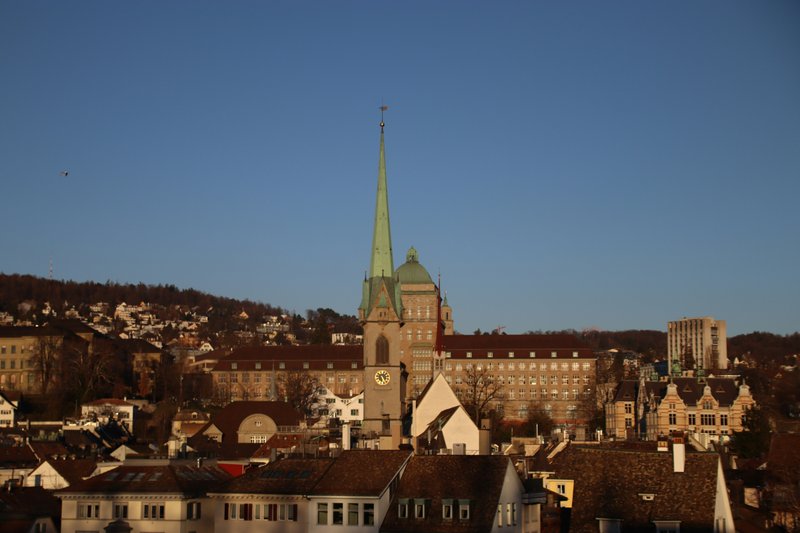
Explore SwitzerlandSwitzerland's financial capital stretches along the northern tip of its namesake lake, where the Limmat River bisects an old town of guild houses and baroque church spires. The Bahnhofstrasse cuts through the city's commercial spine, while Niederdorf's cobbled lanes retain a medieval street plan despite centuries of prosperity. Beyond the banking district, hillside neighborhoods like Zürichberg offer residential calm with panoramic views toward the snow-capped Glarus Alps. This is a city where punctuality extends to pleasure — trains depart on the minute, and reservations are honored to the second.
The dining scene reflects both Germanic precision and Mediterranean influence, shaped by generations of Italian immigration. Traditional guildhalls serve Zürcher Geschnetzeltes alongside contemporary kitchens pushing Nordic-inspired tasting menus. Summer transforms the lake promenades into open-air salons, with Seefeld and Enge becoming extensions of living rooms. The Kreis 4 and 5 districts, once industrial, now anchor the city's creative energy — converted factories housing galleries, third-wave coffee roasters, and natural wine bars that stay open well past the canton's famously early closing times.