Three generations of the Kalberer family have shaped this one-Michelin-starred table since 1974, with son Roger now commanding the kitchen. The intimate Nidbergstube dining room occupies an 1811 patrician house, its refined country cooking drawing on robust Alpine traditions. A wine list strong in Swiss and French bottles pays tribute to the Nidberg hill nearby, where viticulture dates to the fifteenth century.
A South Tyrolean chef brings Alpine sensibility to this wood-panelled inn tucked away in the Graubünden wine village of Fläsch. The kitchen favors regional ingredients, reworking classic preparations with contemporary precision. His partner, a trained sommelier, oversees a cellar of more than 800 labels—reason enough to linger. A handful of guestrooms allow the evening to extend into morning.
Beneath vaulted stone ceilings in Walenstadt, Löwen delivers an intimate gourmet experience recognized with a Michelin Plate. The seven-course menu unfolds at both lunch and dinner, while midday guests can opt for the set offering at Beiz or choose freely from à la carte selections. A well-chosen wine list and attentive service complete the refined yet unpretentious atmosphere.
Chef Alain Koenig's lakeside address earns its Bib Gourmand through honest, organic cooking where fish dominates the daily catch. The menu offers two tasting formats—a four-course Complet or the more expansive Degustation—served in classically elegant surroundings with attentive care. For private celebrations, a historic vaulted cellar awaits below, adding atmospheric depth to an already characterful dining room.
Chef Sebastian Titz, formerly of Verve by Sven in Bad Ragaz, brings a no-nonsense approach to regional cooking at this Bib Gourmand address in Fläsch. The lunch-focused menu rotates through seasonal set options and weekly specials, while Thursday evenings offer a tasting format. A minimalist dining room with open kitchen frames sweeping mountain views—terrace seats remain the most requested.
The Kalberer family's bistro holds a Bib Gourmand for its refined yet accessible approach to Swiss classics. Within an elegant historical interior, servers in traditional dirndl present braised veal cheeks and Hacktätschli alongside an impressive wine selection. The seasonal three-to-four-course menu offers exceptional value, while summer brings a charming garden terrace for al fresco dining.
A solitary stone house rising from the Graubünden vineyards, Alter Torkel operates under a "Fine Wineing" philosophy, with an ever-rotating selection of regional wines by the glass guiding the experience. The kitchen delivers seasonal, contemporary cooking rooted in local produce, served in rustically elegant rooms where wine culture permeates every detail. Summer draws guests to the terrace overlooking the valley below.
Reaching Betlis requires patience—the narrow road from Weesen opens only briefly on the hour—but the reward is a terrace suspended above Lake Walen with alpine peaks as backdrop. This Michelin Green Star holder champions sustainable gastronomy through dishes like organic pork cheeks from Uelihof paired with Serviettenknödel, while three set menus accommodate carnivores and vegans alike in an atmosphere of rustic wooden warmth.
Frequently Asked Questions
What is the connection between Heidiland and the Heidi story?
+
Johanna Spyri set her 1881 novel in and around Maienfeld, where the landscape of Alpine pastures, mountain peaks, and traditional village life matched her fictional creation. The Heidi Alp above town, accessible by foot, maintains a historic farmhouse interpreting the story's setting.
When is the best season to visit the Heidiland region?
+
Summer brings hiking through flowering meadows and access to high Alpine trails, while winter offers skiing at Pizol and Flumserberg. The thermal baths at Bad Ragaz operate year-round, making spring and autumn appealing for quieter spa-focused visits when crowds thin.
What are the signature local dishes in Heidiland restaurants?
+
Expect Capuns — herb-seasoned spätzle wrapped in chard leaves — alongside Pizzoccheri from neighboring Graubünden, air-dried Bündnerfleisch, and cheese dishes featuring local Alpkäse. The region's Pinot Noir vineyards around Maienfeld produce notable reds that pair with these mountain specialties.
Nearby Destinations
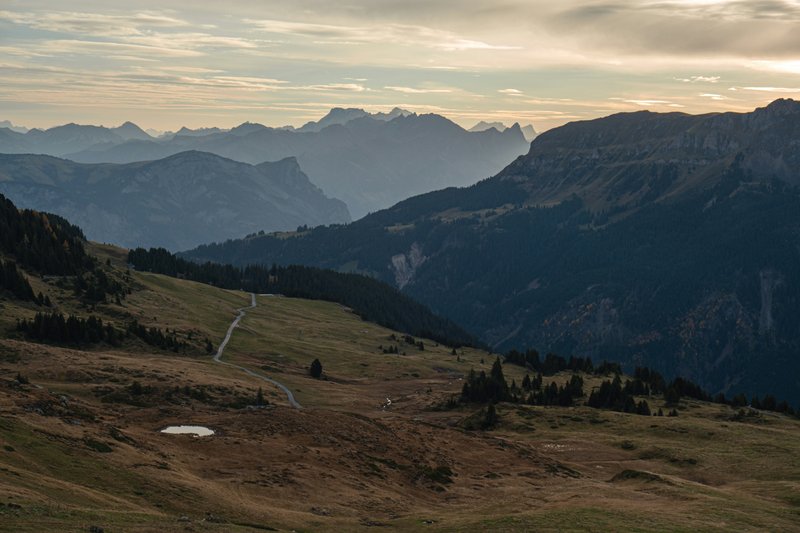
Explore SwitzerlandThe region that inspired Johanna Spyri's beloved novel stretches across the cantons of St. Gallen and Graubünden, where the Pizol massif rises above the Rhine Valley and Lake Walen reflects forested slopes. Bad Ragaz anchors the area with its thermal springs, drawing visitors since the 13th century when monks first channeled water from the Tamina Gorge. The village of Maienfeld, with its half-timbered houses and surrounding vineyards, claims the literary connection most directly.
Dining here follows seasonal Alpine rhythms. Restaurants in Bad Ragaz range from hotel dining rooms serving refined interpretations of Swiss cuisine to village establishments where Capuns — chard-wrapped dumplings — and Bündnerfleisch appear alongside local Graubünden wines. The Tamina Therme provides a modern counterpoint to traditional spa culture, while hiking trails to the Heidi Alp above Maienfeld draw summer visitors seeking that particular conjunction of meadow, mountain, and memory.