A 16th-century manor house turned sixteen-room adults-only retreat, Hotel Santa María Briones anchors itself in Rioja's wine-soaked landscape. Stone walls and heavy timbers frame rooms with vineyard and river views, while chef Juan Cuesta's Allegar restaurant applies contemporary technique to regional tradition. The cellar favors local producers, and the Vivanco Wine Museum lies within walking distance—a natural extension of the immersion.
Where to Stay
A 16th-century palace in Briñas wears its centuries openly—weathered stone walls now punctuated by contemporary metal and glass interventions. Inside, 33 minimalist rooms feature original masonry or knotty pine paneling, the finest overlooking the Ebro. The real draw: a fine-dining restaurant with river views and a wine cellar stocked with an encyclopedic selection from Rioja's legendary producers.
Where to Eat
Five generations of the Paniego family have shaped this two-Michelin-starred table in Ezcaray, where chef Francis Paniego applies rigorous technique to La Rioja's terroir—offal elevated with precision, local ingredients grouped into evocative sequences called Territorio, Animal, and Memoria. His brother José Félix orchestrates a wine list that mirrors the region's depth, while each course carries quiet tributes to their late mother Marisa.
A former blacksmith turned chef, Ignacio Echapresto runs this two-Michelin-star table with his brother Carlos in a tiny Riojan village. The ritual begins in their vegetable garden before guests proceed to dining rooms overlooking green hillsides. Three seasonal tasting menus—Mirada Raíz, Mirada al Horizonte, Mirada Vegetal—celebrate daily harvests through dishes of deliberate simplicity, each combining just two or three elements. The cellar adds house-made meads and kombuchas.
Behind a 300-year-old door in Logroño, chef Félix Jiménez conducts an intimate omakase ritual for just six guests. His training under Tokyo master Yoshikawa Takamasa instilled the Edomae technique and Shokunin philosophy that now shape each nigiri, crafted with prized Koshihikari rice. The one-starred menu extends beyond sushi to include delicate grilled and smoked preparations—a pilgrimage-worthy counter experience.
Inside a sixteenth-century aristocratic mansion in Haro—Spain's capital of centenary wine cellars—chef Miguel Caño, a Mugaritz alumnus, channels La Rioja's terroir through wood-fired cooking and regional ingredients. The tasting menu unfolds in atmospheric dining rooms where, come nightfall, a luminous image of the goddess Nublo materializes on a translucent veil above the internal patio. One Michelin star.
Five generations of the Paniego family have shaped this temple of Riojan cooking in the village of Ezcaray. Chef Francis Paniego and his mother anchor the menu with signature dishes—impossibly creamy croquettes, hake confit at precise low temperatures, Cameros cheese on toast with apple. Master sommelier José Félix Paniego's cellar tours and individual cooking classes deepen the immersion into regional gastronomy.
A romance forged in the kitchens of three-starred ABaC under Jordi Cruz brought together Mexican-born Mariana Sánchez and Logroño native Gonzalo Baquedano, whose one-starred table now channels both heritages into dishes like crispy pork cheek tacos and venison draped in pink mole. Spice levels calibrated for European palates, seasonal tasting menus, and the signature pastel de Elote reveal a kitchen fluent in two culinary languages.
Carolina Sánchez and Iñaki Murua, partners in life and the kitchen since their days at the Basque Culinary Center, have built a one-star table that bridges continents. Sánchez—the only female Ecuadorian chef to hold a Michelin star—brings tropical fruits and condiments to meet La Rioja's exceptional produce, while Murua anchors the menu in regional tradition. The result: technically exacting contemporary plates with genuine surprise.
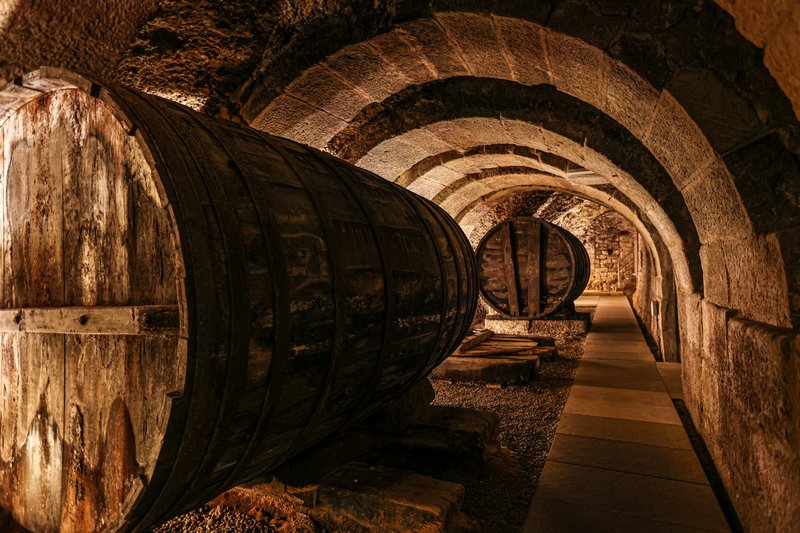
Inside a 17th-century bodega in Casalarreina, Lumbre channels Rioja's winemaking heritage into a theatrical dining sequence. Guests descend into ancient calados—the tunnels once used to age wine—for La Huerta appetizers before ascending through vaulted dining rooms. Three tasting menus (Origen, Fuego, Lumbre) showcase traditional cuisine, while an attic lounge extends the evening with digestifs beneath exposed beams.
Owner-chef Ramón Piñeiro earned a Bib Gourmand for his contemporary take on Riojan home cooking, served within exposed brick walls steps from Logroño's cathedral. The daily-changing stew—pochas, caparrones, or patatas a la riojana—anchors a market-driven menu that celebrates the region's exceptional vegetables. A bistronomic address where tradition meets restless culinary curiosity.
The name itself—local slang for those who refuse to settle for ordinary food—signals the ambition at this Alfaro address. The chef, shaped by years alongside Francis Paniego, now channels that training into a contemporary reading of Rioja's larder, with market-fresh produce driving both the daily Todos los Morros menu and the more elaborate Morro Tango tasting. Bib Gourmand-recognized and bracingly affordable.
Frequently Asked Questions
What is the best base for exploring La Rioja's wine towns?
+
Haro offers the densest concentration of historic bodegas within walking distance, while Logroño provides better restaurant variety and transport connections. Laguardia suits those preferring a quieter medieval village setting with easy access to Rioja Alavesa producers.
When is harvest season in La Rioja?
+
The vendimia typically runs from mid-September through October, depending on the vintage. Many bodegas host harvest festivals and special tastings during this period, though booking accommodation well ahead is essential as the region fills with wine professionals and visitors.
What are the signature local dishes to try in La Rioja?
+
Chuletillas al sarmiento — lamb chops grilled over vine cuttings — define the region. Pochas con codornices (white beans with quail), patatas a la riojana (potatoes in chorizo-paprika sauce), and caparrones from Anguiano are essential. Most restaurants pair everything with young Crianza or aged Reserva from local producers.
Nearby Destinations
Explore SpainSpain's most celebrated wine region unfolds across the Ebro Valley, where medieval villages cling to hillsides terraced with Tempranillo vines. The town of Haro serves as the traditional epicenter, its Barrio de la Estación housing legendary bodegas whose cellars date to the 1870s railway era. Logroño, the regional capital, anchors the eastern end with its atmospheric Calle Laurel — a pedestrian street where evening crowds move between bars serving champiñones al ajillo and chuletillas al sarmiento.
Beyond the main towns, the landscape rewards exploration: Laguardia sits fortified atop a ridge in Rioja Alavesa, its underground wine caves tunneling beneath every building. The Sierra de Cantabria mountains form a dramatic northern backdrop, their peaks snow-dusted into spring. Accommodation ranges from converted monasteries to architect-designed vineyard properties, while dining tilts toward honest regional cooking — roast lamb, pochas beans, and vegetables from the Najerilla Valley market gardens.