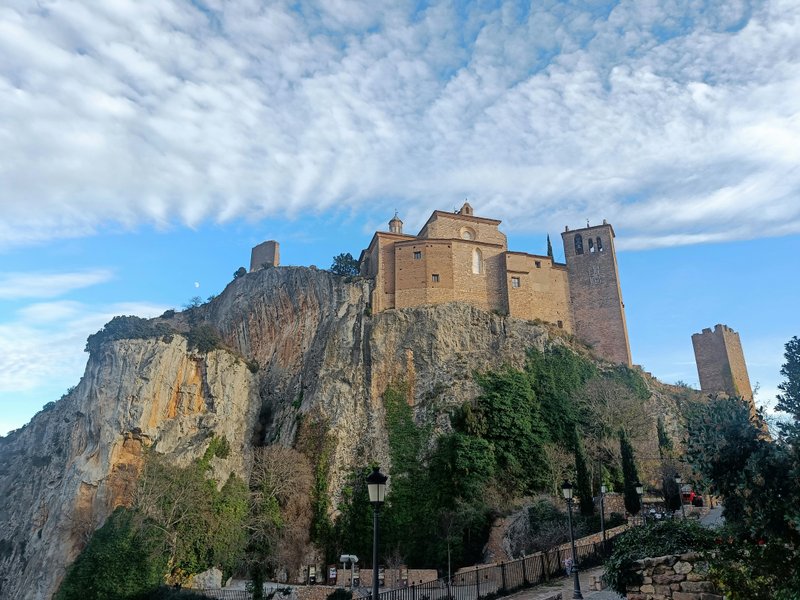
The magnificently restored 1928 Canfranc International Station now houses 104 rooms decorated in period elegance with contemporary comforts, its ornate Belle Époque façade framed by the dramatic peaks of the Aragonese Pyrenees. A substantial spa features a lap pool suited to the building's impressive length, while the Michelin-starred Canfranc Express restaurant, led by chef Eduardo Salanova, rewards travelers seeking both railway heritage and refined gastronomy.
Where to Stay
Where to Eat
Behind Huesca's historic Casino, Lillas Pastia has earned its Michelin star as the region's definitive truffle destination. Chef Carmelo Bosque's tasting menus—Carmen and the eponymous Lillas Pastia—showcase updated Aragonese traditions, with signature truffle rice featuring Tuber Melanosporum served year-round. An intimate ten-seat private dining room dedicated entirely to truffles rewards serious gastronomes, while an AI-generated opera mural nods to the restaurant's theatrical namesake.
Chef Tonino's tattoos tell his culinary story, and each dish at this Michelin-starred gastro-bar continues the narrative. The single Du Jour tasting menu showcases intensely local Aragonese ingredients—Verdeña olive oil from Loscertales, trout from El Grado, Latón de La Fueva pork—prepared at the open kitchen while guests observe from high tables. A Saison menu appears during hunting season, bringing game to the fore.
Chef Iván Vilanova operates his Bib Gourmand kitchen inside Spain's largest farming auction house, the Lonja Agropecuaria—where national beef prices are determined daily. This proximity guarantees exceptional local meats, which Vilanova treats with unpretentious precision alongside seasonal produce. The tasting menu rewards curiosity, though off-menu specials like squid paired with butifarra sausage reveal his inventive streak. A destination for serious carnivores.
Rafa Bautista and María Vegue run this Bib Gourmand address with infectious dedication, crafting modern plates rooted in Somontano de Barbastro's larder yet inflected with Andalusian warmth from the chef's southern heritage. The ever-shifting carte offers media ración portions for grazing, while the signature leche texturizada—made with milk from nearby Villa Villera farm—delivers a quietly memorable finish.
On the historic Plaza Justicia—once home to the town's pig fair and still nicknamed 'Los Tocinos'—chef Beatriz Allué runs this Bib Gourmand address with produce supplied directly by her farmer father. Her contemporary Aragonese cooking centers on dishes like La Hoya chickpea stew with lamb chiretas sausage and free-range chicken chilindrón brightened with Rancio wine. Earthy, rooted, confidently local.
Three decades of culinary tradition anchor this Huesca dining room, named for the trio of towers that define its neighborhood. Wood-clad interiors create an intimate warmth where creative cuisine finds its expression through rigorously sourced ingredients. The kitchen balances regional foundations with contemporary technique, offering both à la carte selections and a structured tasting menu for those seeking a more guided exploration.
Frequently Asked Questions
What traditional dishes should I try in Huesca?
+
Ternasco de Aragón—milk-fed lamb roasted simply with garlic and herbs—remains the defining dish. Look also for chireta, an Aragonese sausage of rice and offal encased in lamb intestine, and migas, crispy fried breadcrumbs served with grapes or chorizo. Restaurants frequently feature wild boar stew and setas (wild mushrooms) during autumn months.
How does Huesca connect to the Pyrenees and Sierra de Guara?
+
The city serves as the gateway to both mountain ranges. Sierra de Guara's canyons lie forty minutes north, popular for canyoning in the Río Vero gorges. The high Pyrenees and ski stations around Formigal sit roughly ninety minutes away, making Huesca a practical base for combining urban culture with mountain excursions.
What is the best area to stay in Huesca's old town?
+
The streets surrounding the Gothic cathedral and Plaza de la Catedral place you within walking distance of the city's historic monuments, restaurants, and evening atmosphere. This compact zone includes San Pedro el Viejo and connects easily to the Coso commercial district for shopping and daily provisions.
Nearby Destinations
Explore SpainThe capital of Alto Aragón sits where the Pyrenean foothills flatten into the Hoya de Huesca basin, a compact provincial city where Romanesque churches share narrow streets with modernist façades. The Coso Alto promenade anchors daily life, lined with traditional cafés where locals gather for morning almorzar—the Aragonese second breakfast of cured ham and fried eggs. Below the ruined hilltop castle, the old town's stone alleyways lead past San Pedro el Viejo, a twelfth-century monastery housing the tomb of King Alfonso I.
Dining here draws heavily on the surrounding terrain: lamb from the Sierra de Guara, wild mushrooms foraged in autumn, and chireta—a local offal sausage rarely found beyond the province. The wine scene favors bottles from Somontano, the nearby denomination whose crisp whites and structured reds appear on most restaurant lists. Evening drinks gravitate toward the Plaza de Navarra and the streets radiating from the cathedral, where vermut bars serve house-made vermouth alongside plates of boquerones and olives.