Skip to content

Castellon

1. Raúl Resino

★ Michelin

Chef Raúl Resino heads out on fishing boats at dawn, returning with wrasse, scald fish, and other humble catches that rarely reach auction halls. His single tasting menu—titled "Maritime menu from our coast Km 0"—channels this hands-on sourcing into dishes inspired by what fishermen cook aboard their vessels, including a signature rice made with canana, a local squid-like mollusc native to Castellón's waters.

2. Atalaya

★ Michelin

Alejandra and Emanuel, both alumni of Martín Berasategui's legendary three-star kitchen in Lasarte-Oria, bring haute-cuisine discipline to this coastal address near Alcossebre's marina. Their creative approach prizes texture and visual precision, best sampled through tasting menus named Llaüt, Bergantín, or Goleta. The open kitchen invites quiet theatre, while Vinaroz king prawns al ajillo deliver the region's finest produce with technical finesse.

3. Cal Paradís

★ Michelin· Green Star ●

Chef Miguel Barrera traded a teaching career for the kitchen, returning to his family's roots in Vall d'Alba to craft contemporary Castellón cuisine with zero-mile ingredients harvested from his own garden. The Michelin-starred table earns a Green Star for sustainability, offering four tasting menus—including a vegetarian option—alongside signature tomatoes de penjar with sardines and exemplary regional rice dishes.

4. Llavor

★ Michelin

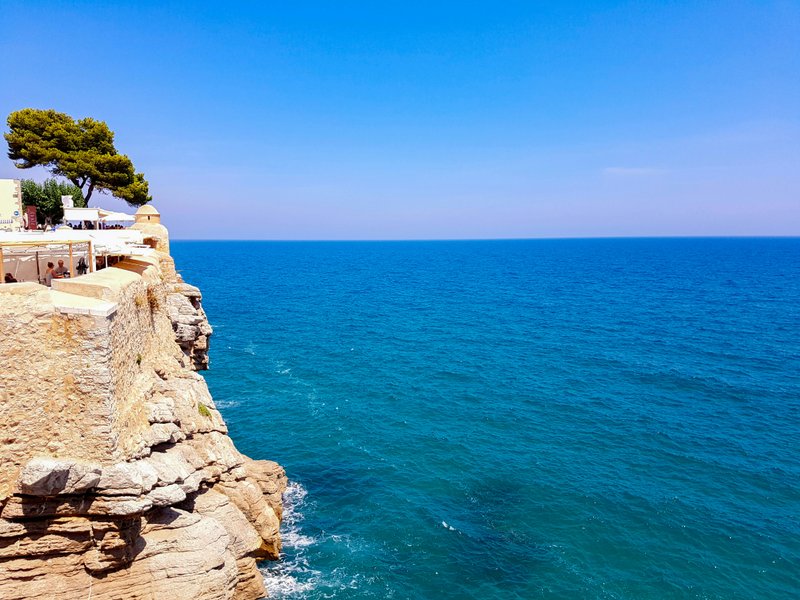
From a sun-drenched terrace overlooking the Mediterranean, young chefs Jorge Lengua and Adrián Peralta channel Castellón's dual geography—sea and sierra—into two poetic tasting menus. Their signature grilled squid paired with pork jowl and local Caseta d'Espadà cheese captures this land-meets-water philosophy. The Michelin-starred kitchen rewards travelers seeking creative regional cuisine with a view.

5. Rubén Miralles

★ Michelin

Castellón-born chef Rubén Miralles earns his Michelin star in this intimate Vinaròs address through cooking that roams confidently from reinvented local traditions to Arabian, Peruvian, and Asian accents. The flagship tasting menu might present espardeña with boletus foam and egg yolk, while the vegan Amarant option demonstrates equal technical ambition. Seasonal Producte menus draw directly from nearby market gardens and Mediterranean waters.

6. Le Vin Rouge Maître-Cavista

Michelin Selected

French and Central European traditions find fresh expression at this Michelin Plate restaurant on Oropesa del Mar's central plaza. The kitchen delivers a focused à la carte of reinterpreted classics, each dish paired with carefully selected wines that amplify the continental influences. A signature Apfelstrudel provides the ideal finale—a nod to the menu's Mitteleuropean roots executed with contemporary finesse.

7. Arre

Bib Gourmand

Occupying what locals claim is Castellón's oldest civic building—its medieval arches and fourteenth-century oven still intact—Arre channels regional tradition through owner-chef Pedro Salas's Bib Gourmand cooking. The Senda menu features arroz al horno or Torrà meats finished tableside on a grill, while Vía Augusta traces a broader path from coast to mountain. Diners leave with a book of local legends, a fitting memento.

8. Daluan

Bib Gourmand

Daluan occupies a quiet alley in medieval Morella, its terrace stretching nearly the full length of the narrow street. The kitchen holds a Bib Gourmand for its refined approach to regional cooking—croquettes in the local style, slow-roasted lamb shoulder—built around seasonal produce from the surrounding highlands. Autumn brings dedicated truffle and wild mushroom menus that draw visitors back year after year.

9. Le Bistrot Gastronómico

Bib Gourmand

Owner-chefs rotate between stove and dining room at this Bib Gourmand address, pausing tableside to narrate each course themselves. The kitchen channels Japanese technique through a global lens—dishes arrive with delicate textures and exacting presentation, designed for communal sharing across multiple tasting formats. An unpretentious setting belies serious craft, making it Castellón's most compelling choice for curious palates seeking substance over ceremony.

10. IZAKAYA Tasca Japonesa

Bib Gourmand

Sixteen seats, one chef, and a ritual that treats diners as divine beings: at this Bib Gourmand address, Sergio Ortega claps twice before each course in the traditional ofrenda ceremony, offering his surprise tasting menu to guests as kami. The focus falls on hot preparations—ramen, gyoza, slow-cooked stews—rather than raw fish, delivering pure Japanese flavours shaped by the chef's Tokyo expeditions.

Frequently Asked Questions

What neighborhoods should visitors explore in Castellón?

+

The centro histórico around Plaza Mayor offers the densest concentration of architectural interest, from the Gothic co-cathedral to the Modernista Correos building. El Grao provides a working-port atmosphere with seafood restaurants along the harbor, while the Parque Ribalta — a 19th-century botanical garden — creates a green buffer between the old town and the newer commercial districts to the south.

When is the best time to visit Castellón?

+

Late spring through early autumn brings warm Mediterranean weather ideal for coastal exploration. The Festes de la Magdalena in March transforms the city with nine days of processions, fireworks, and the dramatic Romería de les Canyes pilgrimage to the Magdalena hermitage. Summer months see locals migrating to El Grao beaches, while autumn offers mild temperatures and the olive and orange harvests in surrounding villages.

How does Castellón connect to nearby destinations?

+

Valencia lies 70 kilometers south via the AP-7 motorway or frequent Cercanías trains. The medieval hilltop town of Morella in the Maestrazgo region makes for a compelling day excursion, as does Peñíscola with its papal fortress jutting into the sea. The Columbretes Islands nature reserve requires a boat trip from El Grao, typically arranged through authorized tour operators during permitted visiting months.