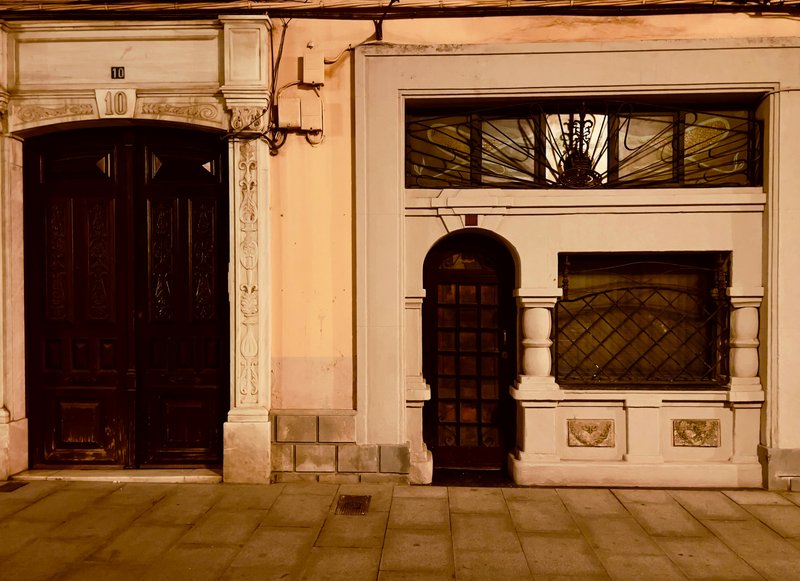
Chef-owner Juan Manuel Salgado practices what he calls 'informal haute cuisine' at this first-floor dining room in Valdepasillas, drawing deeply on Extremaduran traditions—pringá, puchero, cachuela, Iberian pork—while applying contemporary technique. Two tasting menus, Drómo and Gran Viaje, structure the experience. Counter seating rewards the curious with an unobstructed view of Salgado's precise work, his pork shoulder tartare with pistachio and caviar a particular revelation.
Carmen and Javo, both alumni of Madrid's one-star El Invernadero, have breathed new life into this cornerstone of Zafra's dining scene. Their kitchen speaks two languages: the robust traditions of Extremadura and the fire-kissed influences of Argentina, united through a concise menu that favors depth over breadth. The Bib Gourmand distinction confirms what locals already knew. Medias raciones encourage exploration.
Josemi Martínez and Mercedes Rincón helm this Bib Gourmand address with a mission: resurrecting nearly vanished Extremaduran recipes through contemporary technique. Their tasting menus—Corto and Festival—showcase fierce regional loyalty, from boneless Verato-Retinto kid to a grilled ensaimada reimagined with local flair. The multi-award-winning smoked cheese tart alone justifies the detour to Villanueva de la Serena.
Galaxia Cocina Pepehillo occupies a distinctive renovated space where Extremaduran tradition meets modern culinary sensibility. The kitchen excels with fish and seafood—the Sevillian hake draws particular praise—while regional charcuterie and slow-braised oxtail anchor the meat offerings. Signature Revuelto Pepehillo showcases the chef's command of local ingredients, earning Michelin recognition for this Badajoz institution.
Within a restored historic house in Zafra's old quarter, La Rebotica delivers updated Extremaduran cuisine with rustic warmth intact. The kitchen excels with Retinto beef and cod preparations, though the signature trilogy of Iberian pork—presa, sirloin, and secreto—commands attention. A focused selection of Ribera del Guadiana wines accompanies each dish, earning the restaurant its Michelin Plate recognition.
Roman ruins visible through a glass floor set the stage at this Mérida address, steps from the ancient Alcazaba. The kitchen balances Joselito ham starters with select grilled meats, while two tasting menus—four or eight courses, the latter with wine pairing—allow deeper exploration. Upstairs, a rooftop bar offers drinks with views over the historic quarter.
Frequently Asked Questions
What are the best neighborhoods to stay in Badajoz?
+
The historic center near Plaza Alta offers proximity to the Alcazaba and traditional restaurants, while the area around Plaza de España provides easier access to shops and contemporary dining. Properties along the Guadiana riverfront suit travelers seeking quieter surroundings with walking paths.
What local dishes should visitors try in Badajoz?
+
Ibérico pork products dominate — particularly jamón and presa cuts from acorn-fed pigs. Migas extremeñas (fried breadcrumbs with chorizo and peppers), caldereta de cordero (lamb stew), and torta del Casar cheese represent essential regional tastes. Many restaurants serve zorongollo, a roasted pepper and tomato salad served at room temperature.
Is Badajoz a good base for exploring the Portuguese border region?
+
The city sits just six kilometers from Portugal, making Elvas — a UNESCO-listed garrison town — an easy half-day excursion. The fortified villages of Marvão and Monsaraz lie within ninety minutes, as does the Roman temple at Évora. Regular buses connect to Lisbon in under three hours.
Nearby Destinations
Explore SpainBadajoz commands the Guadiana River at Spain's western frontier, a fortified city whose Alcazaba ranks among the largest Moorish citadels on the Iberian Peninsula. The old town unfolds beneath its walls in a tangle of whitewashed streets, while the Plaza Alta — recently restored to its baroque grandeur — anchors daily life with morning markets and evening paseos. Across the Puente de Palmas, the city extends into newer quarters where most visitors base themselves.
The dining scene draws heavily on Extremadura's dehesa tradition: acorn-fed Ibérico from nearby Jerez de los Caballeros, torta del Casar cheese, and migas extremeñas prepared with yesterday's bread. Restaurants cluster around the Plaza de España and along Calle Menacho, ranging from traditional mesones to contemporary kitchens reworking regional recipes. The Portuguese border lies twenty minutes west, and that proximity surfaces in everything from the local accent to bacalhau appearing on Spanish menus.