Perched on a mountain slope facing pine forests and snowcapped peaks, this 1894 landmark retains its original coffered ceilings, Viennese chandelier, and decorative stained glass panels. The eight adults-only rooms feature hand-carved wainscoting and stone bathrooms with freestanding soaking tubs; suites are dressed in midnight blue and charcoal. A spa with sauna and outdoor fire pit rewards skiers and hikers returning from nearby trails.
Where to Stay
Where to Eat
Argentinian beef takes center stage at this polished Wrocław brasserie, where prime cuts meet the intense heat of a Josper charcoal oven. The kitchen encourages a leisurely pace—shared small plates give way to generous steaks paired with crisp chips and silky béarnaise. Comforting and confident, the menu closes with nostalgic desserts like caramelized tarte Tatin, served warm.
Wrocław's definitive Korean BBQ destination occupies an industrial-chic space where gas grills crown every table, inviting diners to sear premium cuts and seafood to personal preference. Beyond the interactive theatre of tableside cooking, the kitchen delivers faithful renditions of bibimbap and bulgogi, while Japanese-inflected starters—crisp tempura, plump gyozas—broaden the East Asian repertoire. Best enjoyed with a lively group.
The intimate sister venue to Między Mostami occupies a riverside setting where formality meets culinary ambition. Multi-course tasting menus showcase luxury ingredients—turbot, truffle, premium mushrooms—through preparations that prize clarity over complexity. A velvety porcini cream, deeply umami and generously truffled, exemplifies the kitchen's philosophy: let exceptional produce speak, enhanced by thoughtful technique rather than overshadowed by it.
Overlooking a small marina on the River Oder, OKRestauracja brings Mediterranean sensibility to Wrocław's dining scene through its seafood-forward menu—salt-crusted sea bream with citrus sauce among the highlights. The nautical-inflected interior complements the waterfront setting, while one of the city's most impressive wine lists spans global regions. An in-house shop lets guests take bottles home.
Beneath the restored 19th-century Altus Palace Hotel, red-brick vaulted ceilings set an atmospheric stage for cooking shaped by a well-travelled chef's global influences. The kitchen takes a subtly creative approach to modern cuisine—marinated mackerel arrives with Nordic-accented dill granita, cucumber, and apple. Service strikes the right balance: knowledgeable and attentive without formality, matching the refined yet approachable spirit of the food.
Chef Beata Śniechowska's Bib Gourmand-awarded bistro delivers generous, flavor-forward cooking at remarkable value. The signature 'Tribute to Polish Homes' reimagines classic meatloaf with a subtle spiced edge, exemplifying her refined approach to comfort cuisine. Closely arranged tables foster a convivial buzz, while a thoughtful Polish wine selection rounds out the experience—ideal for travelers seeking authentic local gastronomy without pretense.
Beneath the landmark dome of Centennial Hall, this Bib Gourmand restaurant pairs Korean-inflected cooking with views of the Multimedia Fountain's summer light shows. The kitchen demonstrates serious technical command—an intense mushroom soup layered with rabbit sausage and smoked sour cream exemplifies the precise flavour balancing throughout. The adjacent Japanese gardens and parkland make a fitting prelude to dinner.
Exposed brickwork and concrete floors set a pared-back industrial tone inside Hotel Jazz, where the kitchen matches this unfussy aesthetic with precise, ingredient-driven cooking. The Bib Gourmand-recognized menu delivers textbook dumplings and scorched herring alongside baked potato—honest dishes executed with quiet skill. Local Polish riesling appears among the wine list's discoveries, rewarding those who look beyond the obvious.
Perched on the sixth floor of the historic Monopol Hotel, Acquario commands sweeping views across Wrocław's skyline—best appreciated from the terrace over an aperitif. The kitchen celebrates seasonality with conviction, plating girolles and heritage tomatoes when conditions allow. Floor-to-ceiling wine fridges signal serious intent, the list leaning heavily toward distinguished Italian estates.
Built within the atmospheric remnants of the Bastion Sakwowy fortification, Gustaw pairs historic architecture with striking contemporary design—marble-topped tables, bright interiors, and a dramatic sunken dining area that draws the eye downward. The kitchen delivers modern cuisine rooted in classical technique, each plate composed with vibrant color and refined precision. The atmosphere runs elegant and slightly formal, suited to unhurried dinners.
Frequently Asked Questions
Which neighborhoods in Wrocław are best for walking and exploring?
+
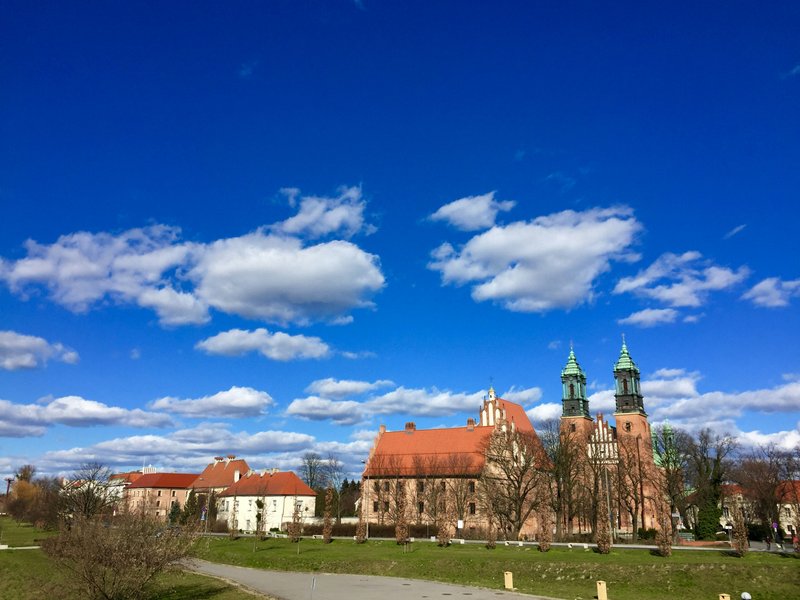
The Rynek and its surrounding lanes offer the densest concentration of architecture and café terraces, while Ostrów Tumski — the cathedral island — provides quieter cobblestone paths and Gothic churches. For a grittier, more contemporary atmosphere, Nadodrze north of the river has street art, independent boutiques, and converted industrial spaces.
What is the local food culture like in Wrocław?
+
Silesian cuisine anchors the scene: expect żurek (fermented rye soup), smoked kielbasa, and game dishes from the nearby forests. Younger chefs have built on these foundations with farm-to-table menus and natural wines, creating a dining landscape that balances regional identity with European ambition.
When is the best time to visit Wrocław?
+
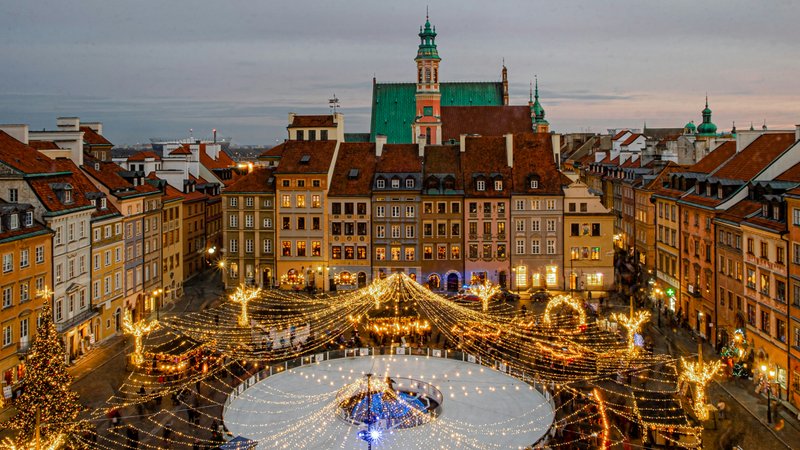
Late spring and early autumn bring mild temperatures and manageable crowds, ideal for walking the bridges and lingering on café terraces. December transforms the Rynek into one of Central Europe's most atmospheric Christmas markets, though hotel rates rise accordingly.
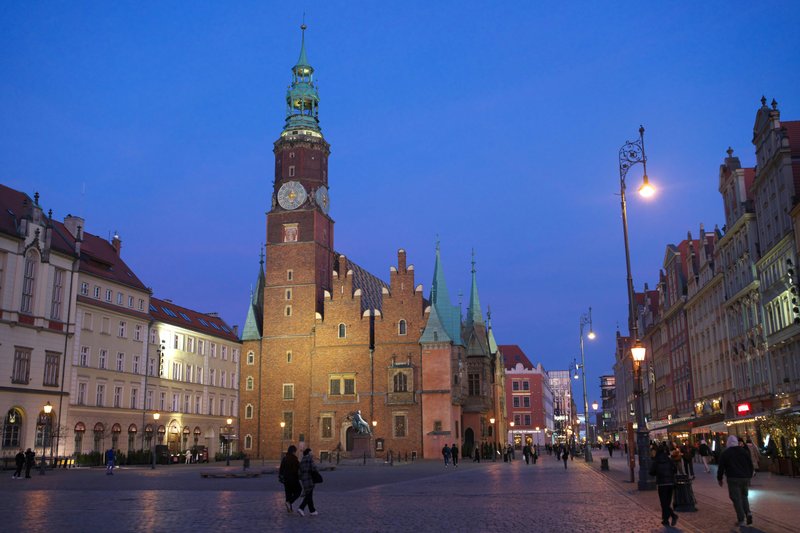
Wrocław sprawls across a dozen islands linked by over a hundred bridges, the Oder River threading through a city that has belonged to Bohemia, Habsburg Austria, Prussia, and Poland within living memory. This layered past surfaces everywhere: in the Baroque facades of the Rynek, the red-brick Gothic of Ostrów Tumski, and the Centennial Hall's early-twentieth-century concrete dome. The effect is a city that feels simultaneously ancient and restlessly contemporary, where a thirteenth-century market square hosts Poland's most progressive restaurant scene.
The dining culture here draws from Silesian traditions — hearty broths, smoked meats, wild game — but chefs increasingly source from organic farms in the surrounding lowlands, serving dishes that would hold their own in any European capital. Coffee culture thrives in the university quarter and along the riverbanks, where specialty roasters have colonized former merchant houses. Hotels range from converted Renaissance townhouses on the square to minimalist design properties in Nadodrze, the former working-class district now dense with galleries and craft workshops.