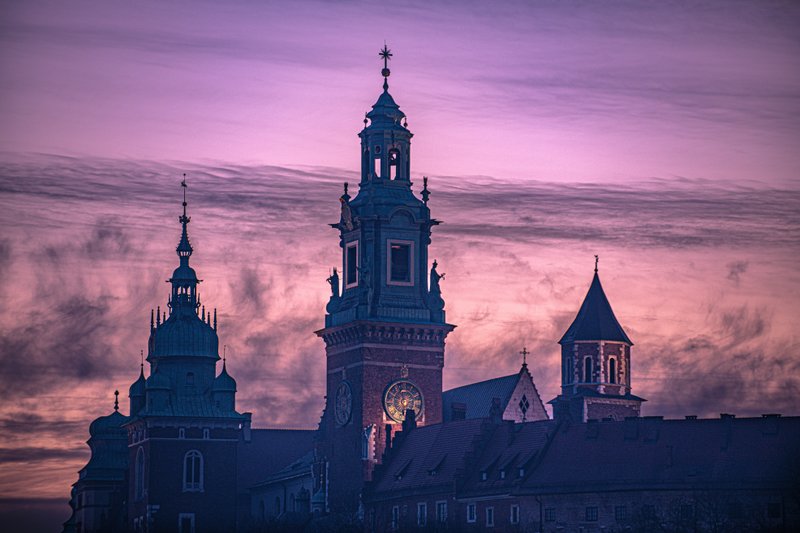
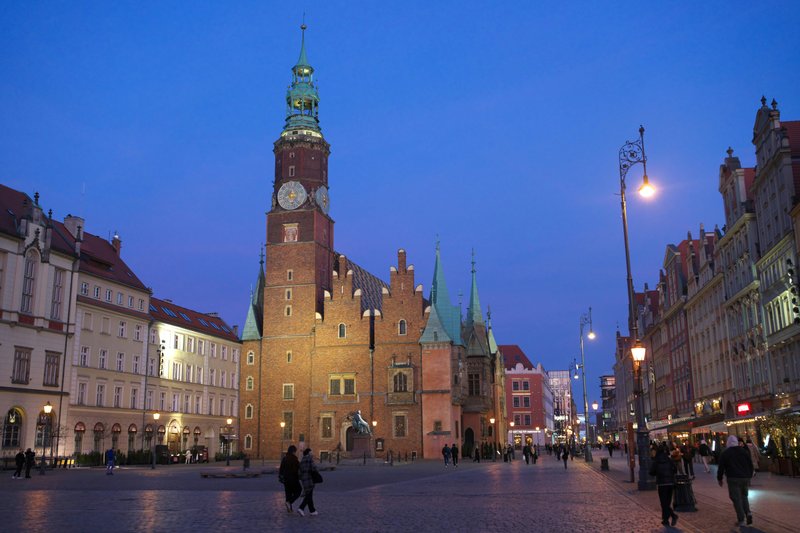
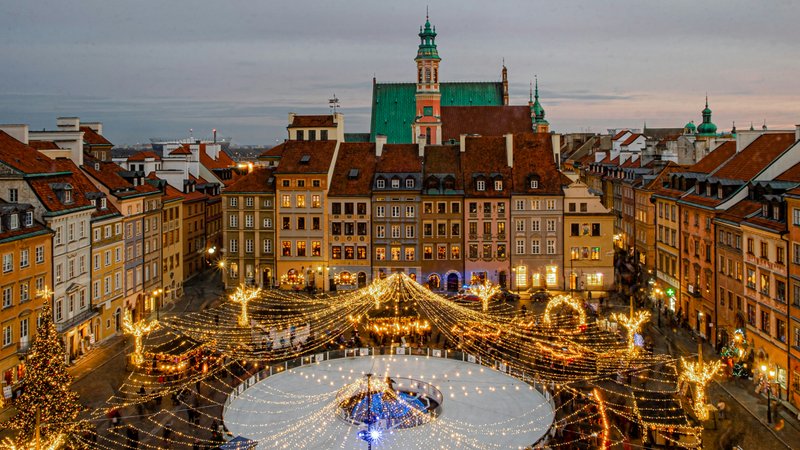
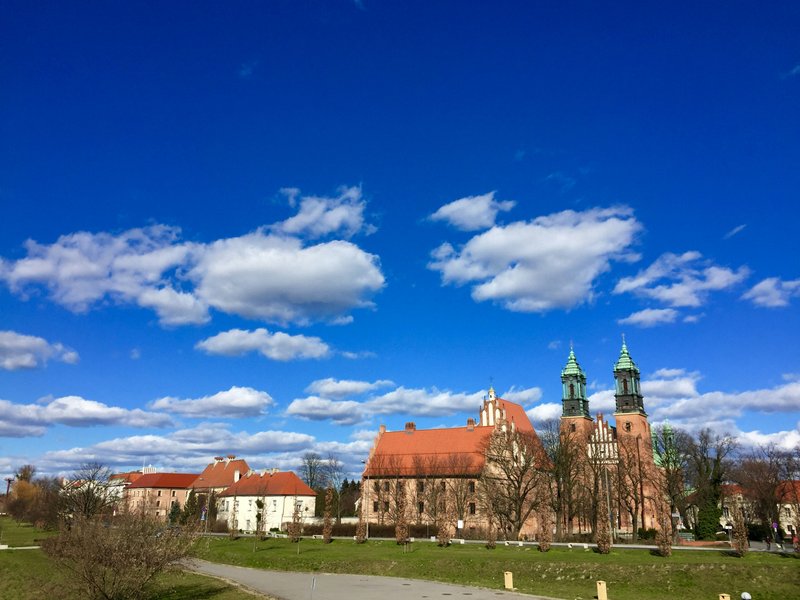
A 14th-century edifice poised between Kraków's Old Town and the historic Jewish Quarter of Kazimierz, Stradom House preserves its medieval facade while filling 125 rooms with contemporary lightness. The Sól spa features a generous swimming pool and treatments hand-blended by Alexandra Soveral; three restaurants and Hedwig's bar keep guests well fed between explorations of the on-site chapel and art gallery.
Explore Krakow
Where to Stay
Behind a neo-baroque façade on ulica Świętego Jana lies a palace whose foundations the Lubomirski family laid centuries before its 1870s reconstruction. The seventy rooms pair period architecture with bold contemporary hues and marble bathrooms, while an indoor pool and spa with jacuzzi occupy the vaulted lower levels. A gastronomic restaurant and bistro anchor the hotel firmly within Kraków's culinary scene.
Dating to the late thirteenth century, The Bonerowski Palace compresses grandeur into just sixteen rooms, each impeccably restored to honor the building's aristocratic origins. Windows frame direct views of Kraków's main market square, placing guests at the city's historic epicenter. A fine-dining restaurant anchors the experience. The intimate scale and romantic atmosphere suit couples far better than families traveling with children.
A 19th-century landmark just beyond Kraków's Old Town, this 64-room property layers Baroque flourishes with Art Deco sophistication across intimate singles and river-view Executive Suites. The spa centers on an extravagantly tiled mosaic pool, complemented by sauna and jacuzzi, while dining spans the refined Gavi Restaurant and the atmospheric subterranean Opus Lounge Bar. Ideal for travelers seeking heritage grandeur with polished modern comforts.
Kraków's original purpose-built hotel retains its 1912 neoclassical grandeur—velvet armchairs, ornate brass fixtures, carved woodwork—refreshed with contemporary restraint. The building witnessed the founding of the Polish Olympic Committee and once greeted arrivals with its own automobile. Today, 43 rooms face the Czartoryski Museum and the medieval Barbican, with an on-site restaurant, bar, and pet-friendly policy for traveling companions.
A 17th-century townhouse on Floriańska Street, Hotel Pod Różą preserves its Renaissance heritage through ornate period interiors across 56 individually configured rooms. Two distinct dining options anchor the experience: Pod Różą for refined modern Polish cuisine and Amarone for Tuscan-inflected Italian, with an arched wine cellar adding atmospheric depth. A hammam and sauna complete the spa offering for travelers seeking historic immersion with contemporary polish.
A century-old vodka distillery provides the industrial bones for this 195-room property, where exposed brick walls meet Art Deco flourishes and Bauhaus-inspired furnishings. Herringbone floors and mid-century graphic elements fill the rooms, while six restaurants within the Fabryczna City complex offer varied dining. The on-site pool, jacuzzi, and sauna suit travelers seeking contemporary design two miles from Kraków's medieval center.
Frescoed ceilings and wood-paneled walls frame fifty-three rooms where freestanding modern tubs make bold counterpoints to centuries-old architecture. Below street level, the wellness center unfolds through brickwork tunnels—swimming pools winding past vaulted passages, a fitness room set within an original arched cellar. With jacuzzi, sauna, restaurant, and cocktail bar steps from Kraków's main square, Stary delivers full-service luxury for design-conscious guests.
A limestone villa perched in Wolski Forest, this 34-room property pairs wartime history with contemporary Polish artistry across its interiors. The two-level U Ziyad restaurant opens onto arched terraces overlooking Kraków, while forest trails begin at the doorstep. Pet-friendly and minutes from the Old Town, it suits travelers seeking woodland seclusion without sacrificing urban access.
A row of historic tenement houses along ulica Świętego Marka now shelters 35 rooms dressed in bold palettes ranging from emerald to gold, with Double Deluxe quarters overlooking the bustle of Floriańska Street. Below ground, a barrel-vaulted restaurant delivers modern Polish cooking beneath whitewashed brick, while a compact sauna offers post-exploration recovery for design-minded travelers drawn to Kraków's Old Town.
Where to Eat
Beneath century-old vaulted ceilings, Bottiglieria 1881 delivers two-Michelin-starred cooking that marries Israeli culinary traditions with Poland's finest seasonal produce. The kitchen offers two tasting menus—'Introduction' and 'Full Experience'—each course arriving with artistic precision, sometimes hand-delivered by the chefs themselves. Guests may request seating opposite the open kitchen, watching the brigade craft dishes of remarkable sophistication and purity.
Within Hotel Copernicus, a fifteenth-century palace on Kraków's oldest street, this intimate dining room pairs Gothic architecture with inventive Polish cuisine. Wood panelling and a stone fireplace frame dishes that reimagine regional classics—the pierogi stuffed with Polish cheese proving particularly accomplished. Renaissance-era polychrome paintings watch over tables where Nicolas Copernicus himself once dined, while an Italian-focused cellar rewards exploration.
Beneath the Queen Hotel, minutes from Kraków's Old Town, Amarylis occupies a basement space divided between exposed brick vaults and a sleek monochrome dining room. The kitchen merges Polish tradition with global techniques, delivering modern plates marked by precision and well-judged flavor contrasts. A Michelin Plate holder, it suits travelers seeking considered contemporary cooking in an atmospheric setting.
From the team behind Bottiglieria 1881, this modern brasserie channels the energy of a packed counter service around an open kitchen. The menu revisits Polish traditions—housemade kaszkanka, prime cuts seared over live flame—while the pared-back décor keeps attention fixed on the plate. Personable, unhurried service matches the convivial atmosphere of a neighborhood spot with serious culinary intent.
Beneath a striking vaulted red-brick ceiling, Fiorentina delivers modern Polish cooking with Italian inflections. The kitchen transforms traditional recipes using prime local produce, with two signatures commanding attention: Dover sole from the wood-fired grill, and the namesake steak—dry-aged thirty days before chargrilling. A Michelin Plate address for carnivores and seafood devotees alike.
Kropka. brings a Michelin Plate-recognized approach to Kraków's dining scene, channeling Israeli cuisine through a distinctly Polish lens with unexpected global accents—think pierogi doused in Korean-style chilli sauce. The neighbourhood bistro atmosphere remains deliberately unfussy, with generous portions and an adventurous natural wine list heavy on orange and skin-contact bottles that rewards curious palates.
The chef who fuels Poland's national football team brings the same robust energy to this brightly decorated Kraków address. A dedicated 'flour and water' section pairs handmade pasta with traditional pierogi, while an extensive steak selection arrives with customizable sides and sauces. Portions run generous, flavours land bold and gutsy, and a polished service team keeps the dining room humming with professional ease.
Atmospheric and convivial, Nami Beef and Reef delivers a greatest-hits tour of Japanese cooking on a single menu. The robata grill turns out multiple cuts of beef with smoky precision, while the sushi counter offers an extensive raw selection. Vegetable tempura proves unexpectedly stellar—light, crisp, worth ordering twice. Sharing is the format here; arrive with friends and graze widely.
Beneath the glass-covered atrium of a three-century-old hotel on Floriańska Street, Pod Różą delivers seafood-driven cuisine rooted in Polish ingredients with unmistakable Italian inflections. Diners watch the kitchen's choreography from their tables while the sommelier navigates a cellar of over 300 Italian labels. Bold, assured plates reward those seeking classical technique filtered through a modern lens.
What to Do
Beneath a sixteenth-century townhouse on Kraków's oldest street, vaulted Gothic cellars shelter the Copernicus Spa by L'Occitane. Treatments draw on essential oils and natural ingredients, their fragrances intensified by the cool stone atmosphere. A heated indoor pool and sauna extend the ritual, while upstairs, original polychrome paintings from the 1500s recall the building's centuries as a residence for the city's intellectual elite.
Frequently Asked Questions
Which neighborhoods should I stay in when visiting Kraków?
+
Stare Miasto places you within walking distance of major landmarks and traditional Polish restaurants, while Kazimierz offers a livelier nightlife scene and proximity to independent cafés. Podgórze suits travelers interested in contemporary art and a quieter atmosphere, with easy tram access to the center.
What is the best time of year to visit Kraków?
+
Late spring (May–June) and early autumn (September–October) offer mild temperatures and fewer crowds than the summer peak. December brings Christmas markets to the Main Square, though temperatures drop below freezing. Winter remains atmospheric but cold, with shorter daylight hours.
Is Kraków easy to explore without a car?
+
The historic center is compact and largely pedestrianized, making it ideal for walking. An efficient tram network connects outer neighborhoods like Podgórze and Nowa Huta. Most hotels arrange airport transfers, and the main train station sits adjacent to the Old Town.
Poland's former royal capital spreads from the medieval Stare Miasto outward through Kazimierz, the historic Jewish quarter now dense with cocktail bars and coffee roasters, to Podgórze across the Vistula where industrial buildings house contemporary galleries and restaurants. The Main Market Square — Europe's largest medieval plaza — anchors a walkable old town where Gothic churches share cobblestoned streets with Habsburg-era townhouses converted into hotels. Wawel Castle looms above the river bend, a reminder that Kraków served as the seat of Polish kings for five centuries before Warsaw.
The dining scene draws on Poland's culinary revival: chefs trained abroad return to reinterpret pierogi and żurek while new-wave restaurants explore seasonal produce from the Małopolska countryside. Kazimierz remains the neighborhood for late nights — its narrow streets lined with speakeasies, natural wine bars, and third-wave coffee shops that spill onto courtyards. Hotels range from restored Renaissance palaces facing the Rynek to design-forward properties in converted factories south of the river, many offering views across terracotta rooftops to the Tatra Mountains on clear days.