


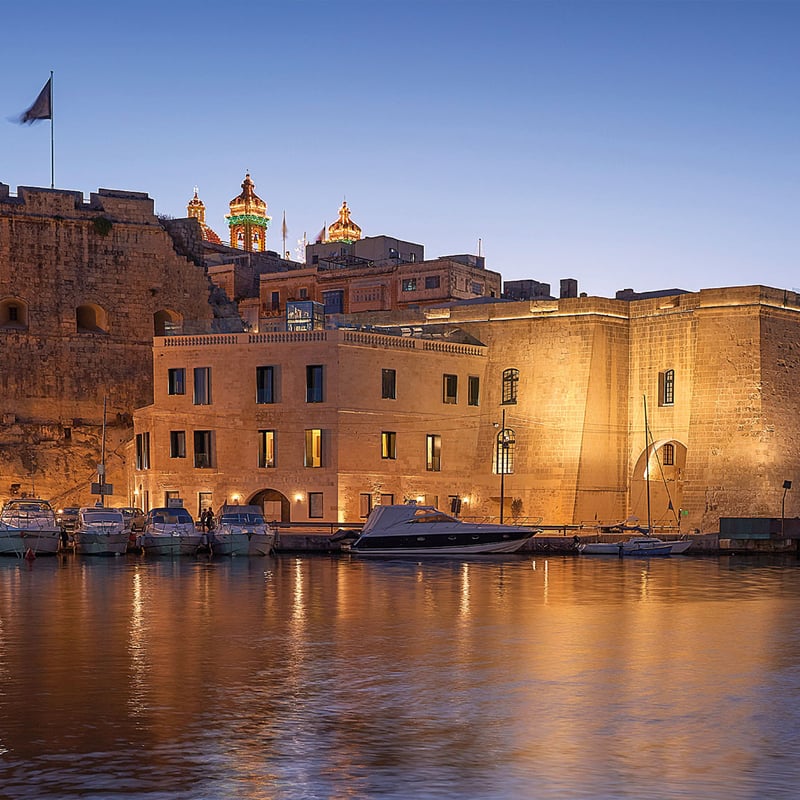
Sixteenth-century limestone fortifications—once home to a giant crane that hoisted galleons from the harbour—now shelter 21 sleek suites beneath soaring vaulted ceilings. The rooftop pool surveys the Grand Harbour and ancient ramparts, while the restaurant draws on Lebanese, Arab, and Latin traditions paired with deep cellar selections. Minutes from Vittoriosa Marina, Cugó Gran Macina suits yachties and history enthusiasts equally.
Three Cities & the Southeast Travel Guide: Best Hotels, Restaurants & Experiences 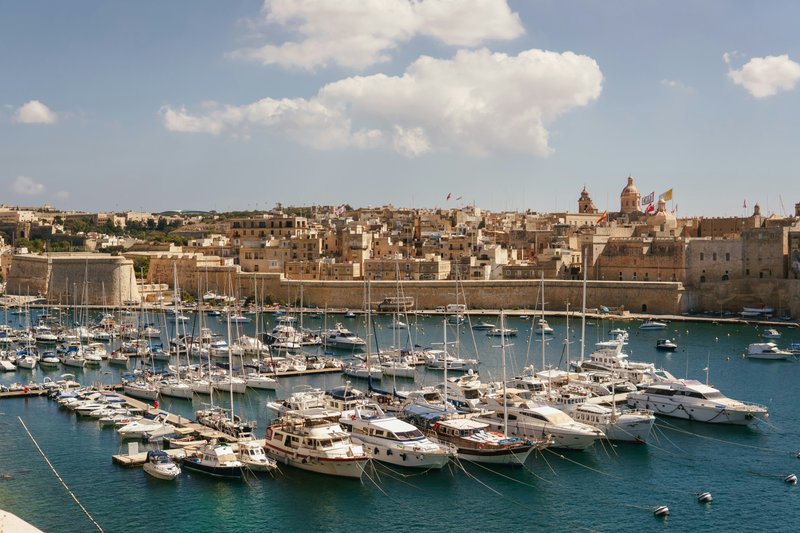
Explore Three Cities
Hotels (1)
Restaurants (1)
Where to Stay

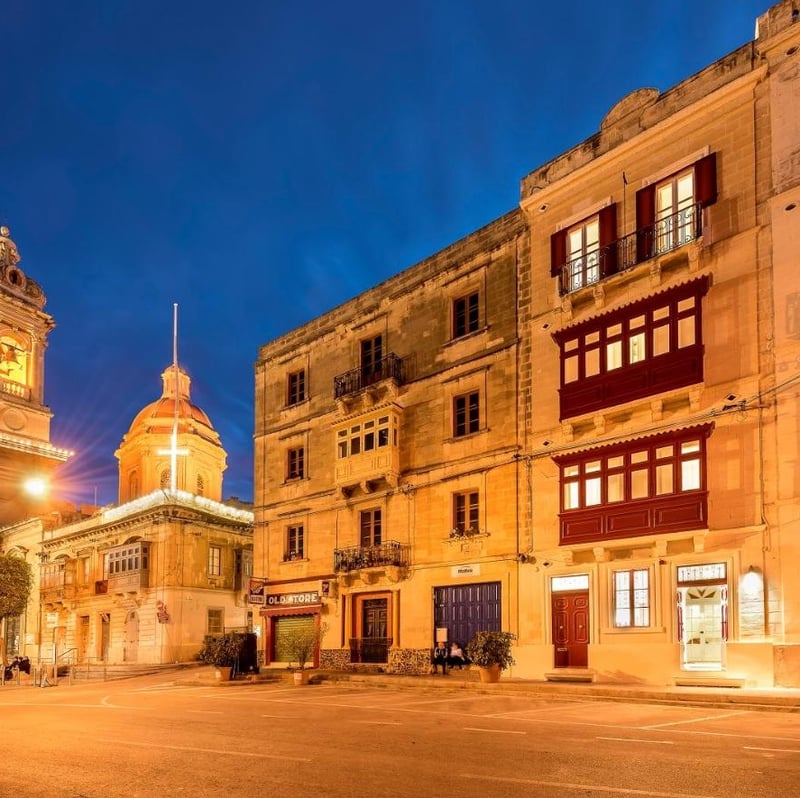
A limestone building rebuilt after the Second World War now houses this six-room guesthouse where a French couple has channeled their devotion to Malta into intensely personal interiors. Each room explores a different facet of the island—maritime heritage, local spirituality—through sculpture and considered color palettes. The location proves ideal: Birgu's historic streets outside the door, Valletta minutes away by ferry.
Where to Eat

Bib Gourmand
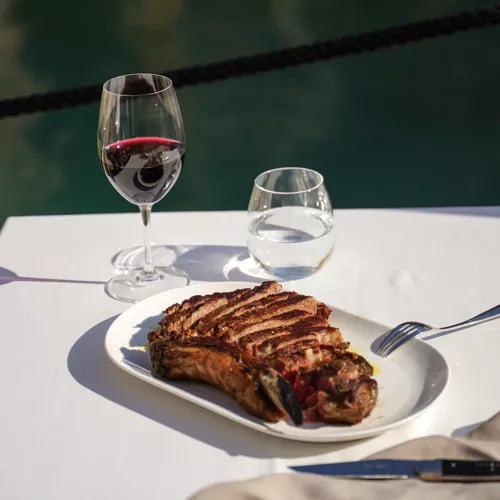
Against the ancient walls of Fort St. Angelo, chef-owner Adrian Hili has spent over a decade refining his Mediterranean-Italian-Maltese repertoire at this Bib Gourmand address. The wood-fired oven produces impeccable sole paired with Castelluccio lentils and samphire, while the waterfront terrace frames yacht masts and Valletta's honey-colored skyline. A bistronomic anchor for exploring Malta's historic Three Cities.

Michelin Selected
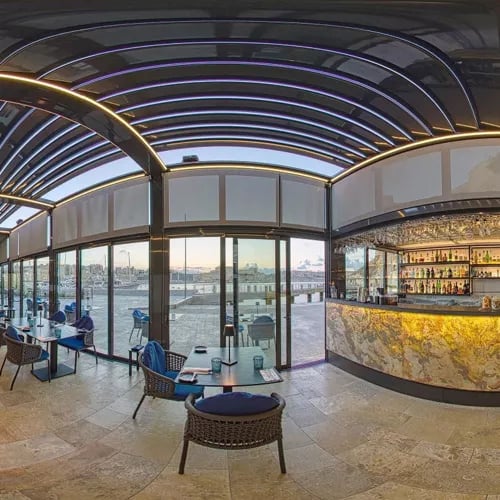
Glass walls frame a dual panorama at this Kalkara waterfront address: the intimate bay and marina on one side, Valletta's honey-stone skyline on the other. The kitchen bridges Asia and the Mediterranean, with sashimi, nigiri, and creative sushi rolls sharing menu space alongside regional seafood preparations. An expansive terrace extends the dining room into the open air, suited to long, unhurried evenings by the water.

Michelin Selected
Along Marsaxlokk's working harbor, the Schiavone family has spent over a decade building Tartarun into a serious seafood destination. Son James orchestrates a daily-changing menu where whole fish arrives simply prepared alongside more inventive compositions. The kitchen sources from local fishermen, a village baker supplying bread each morning, and a nearby hydroponic farm. A 150-bin wine list rewards exploration.
Frequently Asked Questions
What is the difference between the Three Cities and Valletta?
+
The Three Cities — Vittoriosa (Birgu), Senglea (Isla), and Cospicua (Bormla) — sit across the Grand Harbour from Valletta and are actually older, having served as the Knights of St John's original base before they built the capital. They offer a quieter, more residential atmosphere with fewer tourists, narrower streets, and a stronger sense of local Maltese life. A traditional dgħajsa water taxi connects the two shores in minutes.
Is Marsaxlokk worth visiting for its restaurants?
+
Marsaxlokk remains Malta's working fishing port, and its Sunday fish market draws both locals and visitors seeking the freshest catch. The waterfront restaurants serve straightforward preparations — grilled sea bream, fried calamari, fish soup — at tables overlooking the colourful luzzus. It's not refined dining, but the quality of ingredients and harbourside setting make it a compelling lunch destination, particularly on market day.
How accessible are the southeastern coastal sites?
+
The Blue Grotto, Għar Dalam cave, and the fishing villages along the southern coast are all within a 20-minute drive of the Three Cities. Public buses connect major points, though a rental car offers more flexibility for reaching smaller coves and viewpoints. Boat trips to the Blue Grotto depart weather permitting from Wied iż-Żurrieq, typically running from early morning until mid-afternoon when sea conditions allow.
Nearby Destinations
Explore Malta
Three Cities
Vittoriosa, Senglea, and Cospicua face Valletta across the Grand Harbour, their honey-coloured fortifications rising from the waterline in a sweep of baroque domes and bastioned walls. These three peninsulas — collectively the Cottonera — predate the capital by centuries, their narrow streets still marked by the auberges where Knights of St John once lodged. Birgu's colonnaded waterfront now hosts converted palazzi with interior courtyards, while Senglea's Gardjola Gardens offer unobstructed views of Valletta's skyline at sunset.
South and east of the harbour towns, the landscape shifts to fishing villages and limestone headlands. Marsaxlokk's painted luzzus bob beside quayside restaurants serving the morning catch; the Blue Grotto's sea caves draw day-trippers from across the island. Dining here favours simplicity — grilled lampuki in autumn, rabbit stew year-round, local Ġellewża wines poured without ceremony. Hotels tend toward the intimate: restored townhouses with rooftop terraces, or clifftop properties where the Mediterranean stretches uninterrupted to the horizon.