


Alpine family hotels rarely manage sophistication, but Sonnwies in the Dolomites pulls it off with sleek modern design and service that earns top marks. The multilingual kids' club keeps children entertained across Italian, German, and English, while parents find refuge in refined dining and contemporary spaces that acknowledge adult tastes. Year-round mountain adventures complete the proposition for families seeking quality over compromise.
Val Pusteria Travel Guide: Best Hotels, Restaurants & Experiences 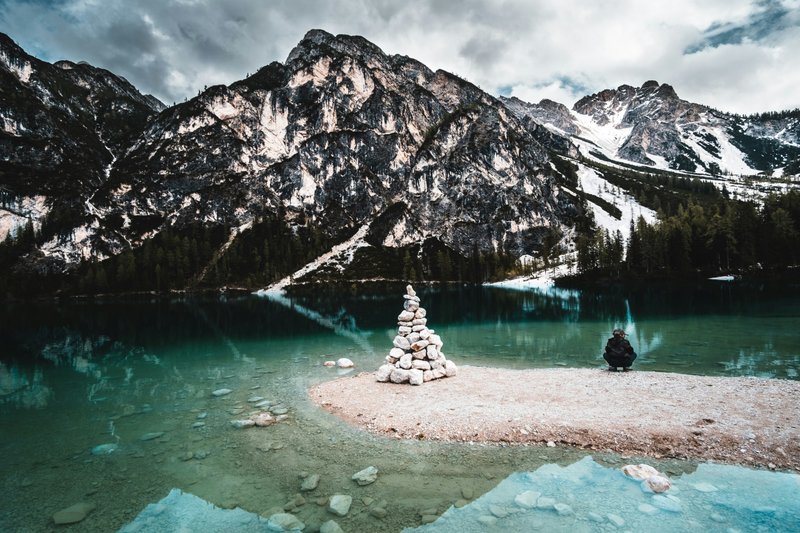
Explore Val Pusteria
Hotels (7)
Restaurants (6)
Where to Stay

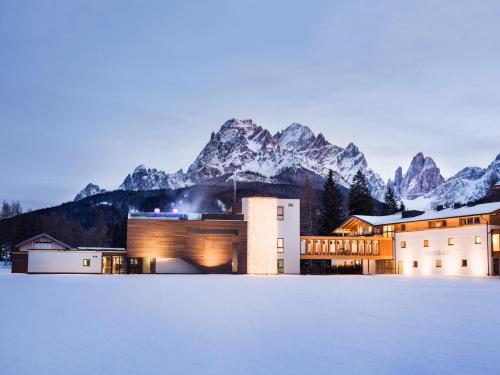
Within the Parco Naturale delle Tre Cime di Lavaredo, Hotel Monika pairs contemporary Alpine architecture with warm wood interiors across 58 rooms. The wellness centre anchors the experience: indoor and outdoor pools, Turkish bath, jacuzzi, and sauna draw hikers and skiers seeking recovery amid dramatic Dolomite scenery. Gardens and a library add quieter diversions for mountain enthusiasts who prefer substance over spectacle.

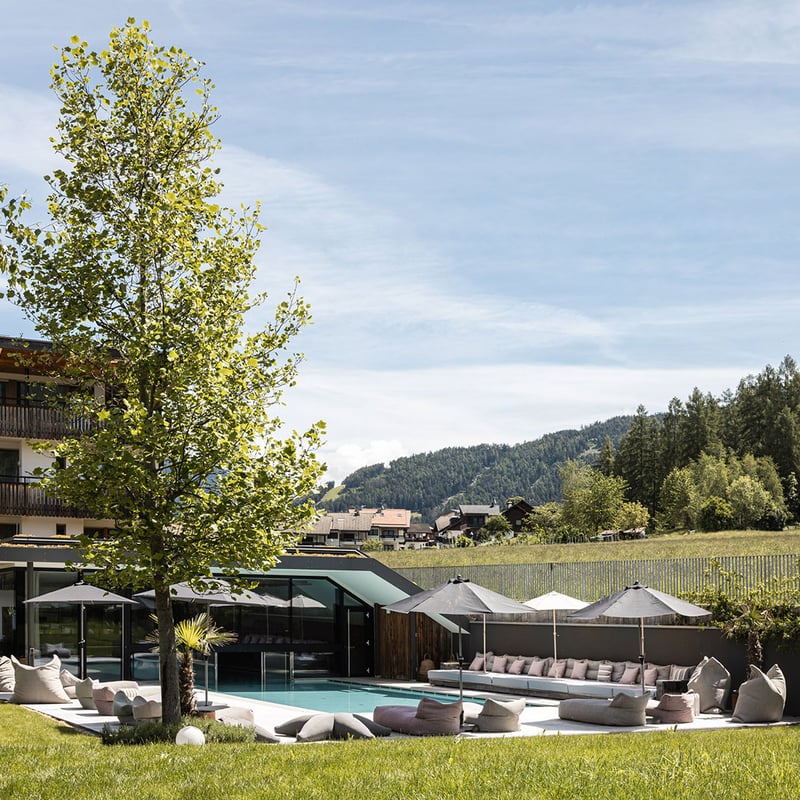
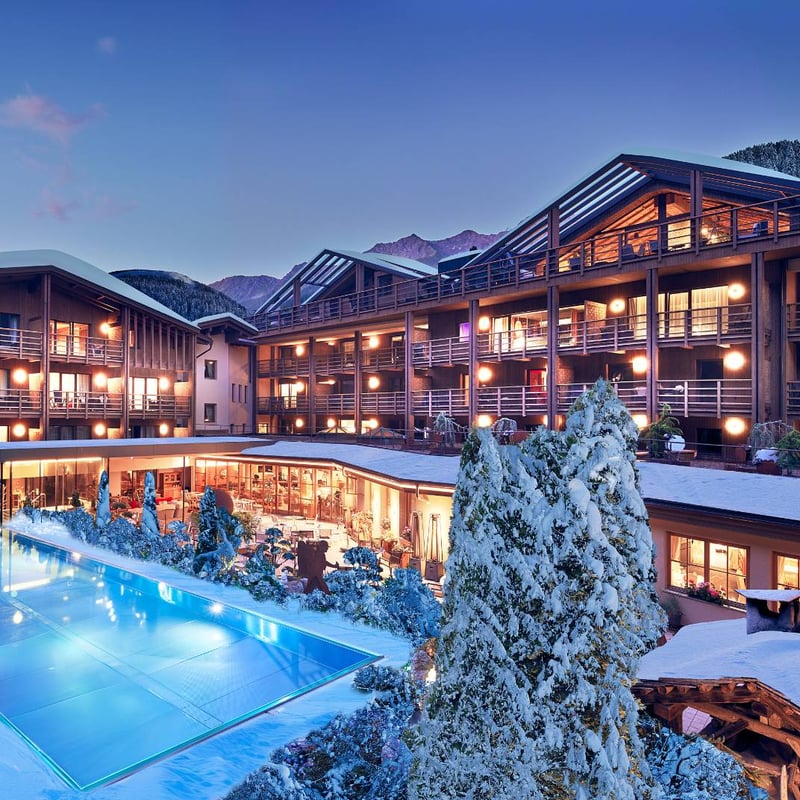
Geometric architecture frames the indoor and outdoor pools at this 50-room South Tyrolean retreat, where sleek new suites showcase blonde wood and crisp white minimalism. Every room opens onto a private balcony facing the Dolomites through floor-to-ceiling windows. The wellness circuit includes saunas, steam baths, Turkish bath, and jacuzzi, while breakfast features house-made spreads and organic produce grown on the property.

Small Luxury Hotels
Curving gracefully into the Ahrntal mountainside, this 52-room alpine lodge pairs traditional South Tyrolean craftsmanship with clean contemporary lines. The spa and indoor pool face forest-cloaked peaks bathed in near-constant sunshine, while the restaurant delivers robust regional cooking. Winter brings skiing and ice climbing; summer swaps them for paragliding and mountain biking—ideal for active families traveling with pets.

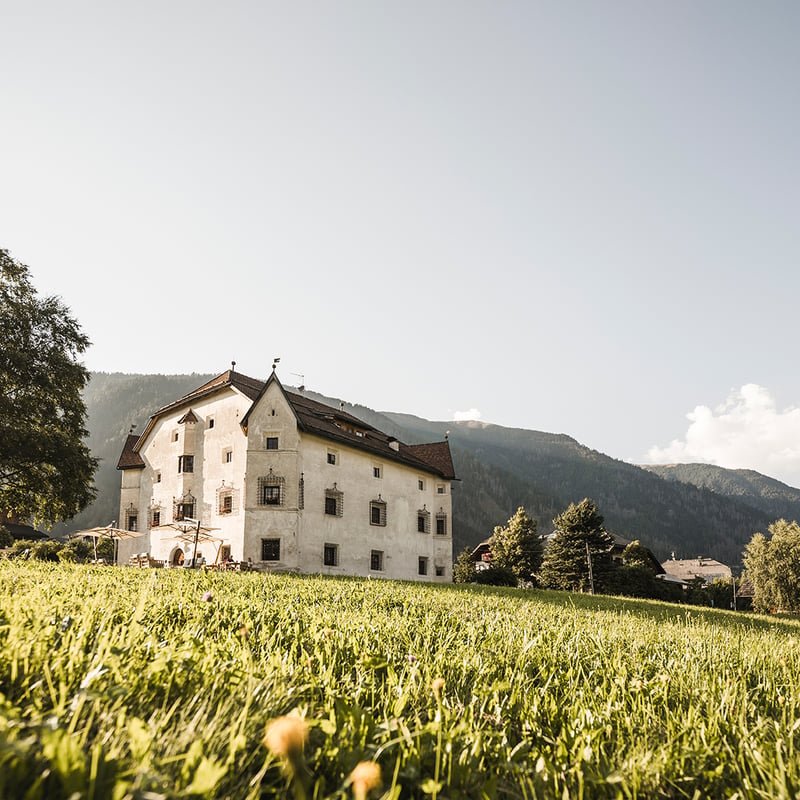
Three-Michelin-star chef Norbert Niederkofler transformed this 16th-century manor in the Anterselva Valley into a ten-room retreat where his Cook the Mountain philosophy shapes every detail. Renaissance bones remain—arched stone corridors, carved wooden doors, the pine-paneled Herrenstube with its green tiled stove—while rooms layer warm timber and marble against wide Alpine panoramas. Built for travelers seeking quietude and culinary depth over resort spectacle.

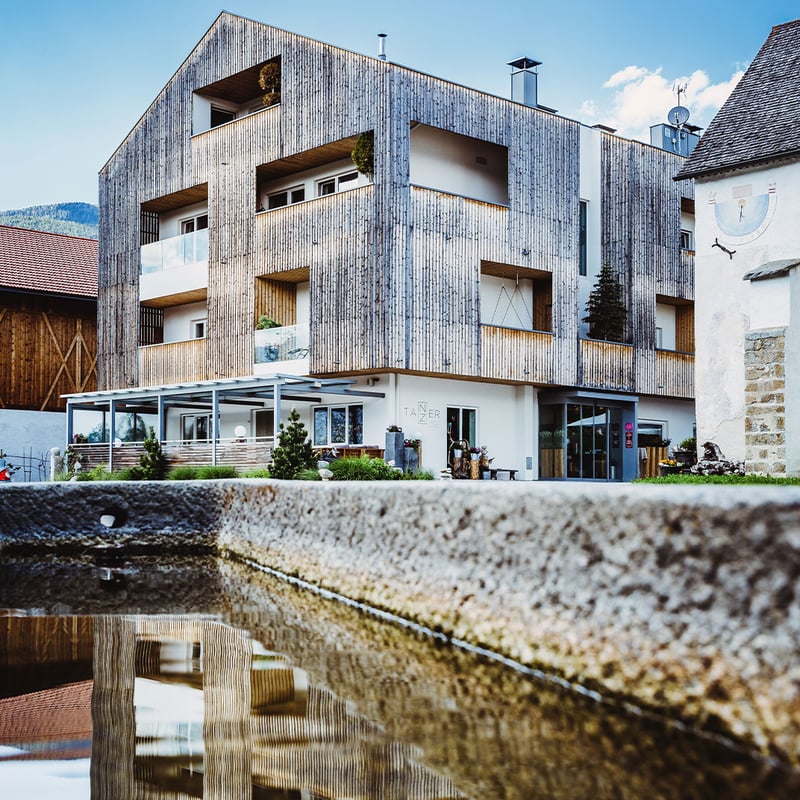
This family-owned property in the Pustertal Valley occupies a weathered wood Alpine structure reimagined with modernist restraint—21 rooms dressed in knotty pine, stripped of clutter, flooded with light. The spa delivers sauna, jacuzzi, and garden relaxation, while the kitchen merges South Tyrolean and Mediterranean traditions alongside a serious wine cellar. A refined base for four-season mountain pursuits.

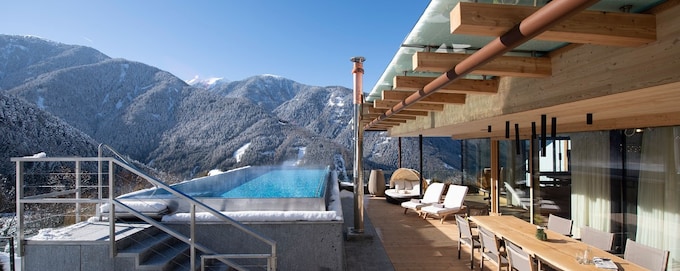
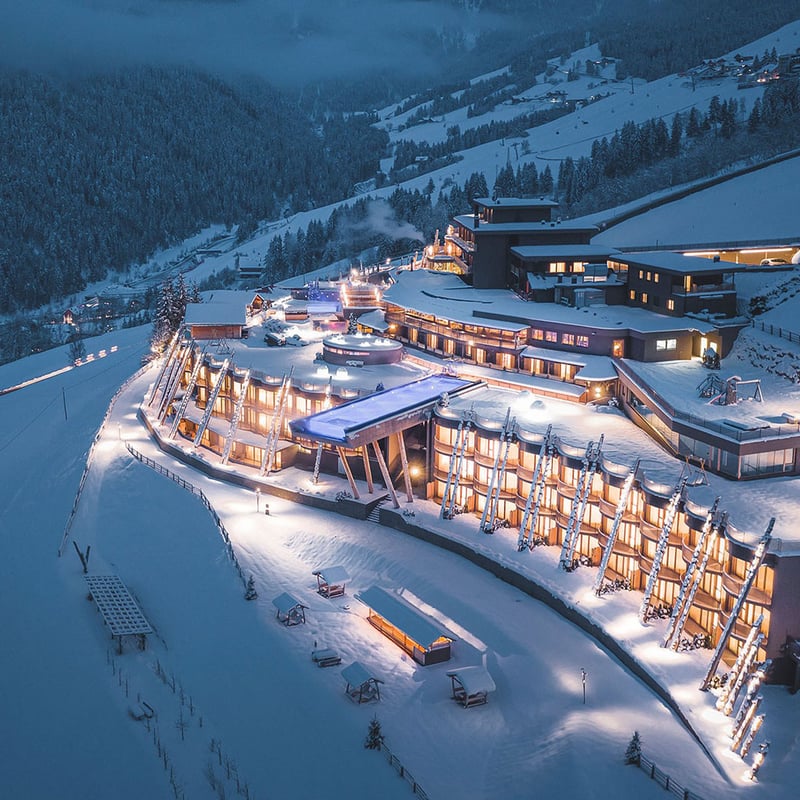
Dramatic Dolomite peaks frame every angle of this contemporary Alpine retreat, from the cantilevered Sky Pool suspended above the valley to the expansive terraces wrapping its 74 rooms. The spa complex encompasses Turkish bath, saunas, and both indoor and outdoor pools, while the restaurant pairs mountain heartiness with Mediterranean lightness. A polished base for ski adventures and summer expeditions alike.

Between the Dolomites and Riesenferners, this 69-room Alpine resort delivers wellness on an ambitious scale: eight pools including a rooftop infinity edge, twelve saunas, hot spring baths, and treatments spanning relaxation to medical-grade therapies. The architecture walks a careful line between contemporary boutique cool and traditional mountain lodge warmth. Kitchens serve hearty South Tyrolean dishes alongside Mediterranean preparations—fuel for days spent in the surrounding peaks.

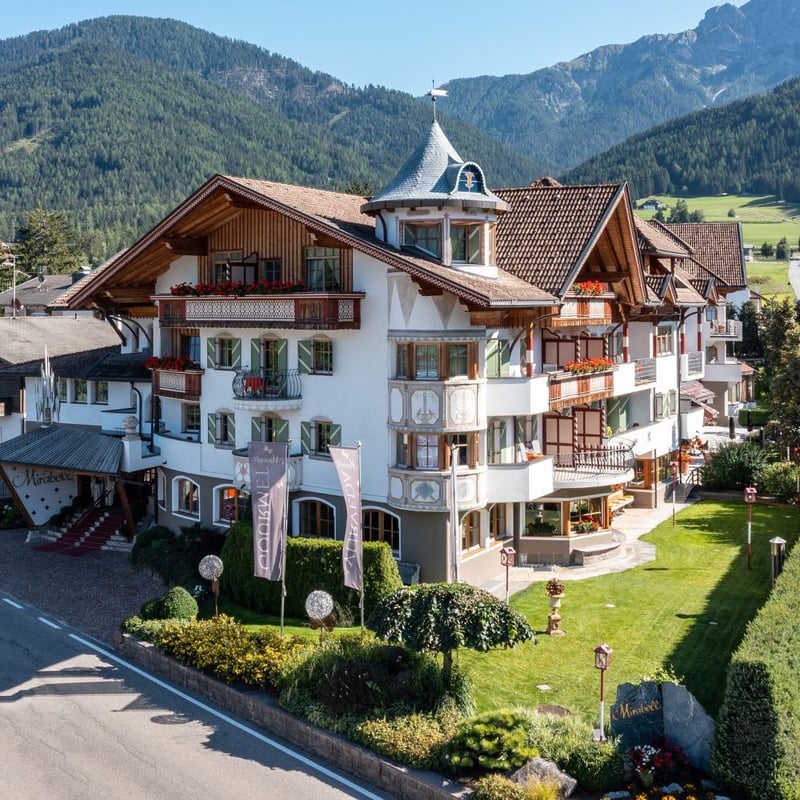
A postwar family retreat grown into one of the Puster Valley's most refined addresses, Mirabell Dolomites pairs traditional Alpine architecture with an expansive wellness sanctuary at its core. Indoor and outdoor pools, panoramic saunas facing the Dolomites, and treatment rooms designed for restoration anchor the experience. Interiors glow with elegant woodwork and warm furnishings—ideal for travelers seeking mountain immersion with serious spa credentials.

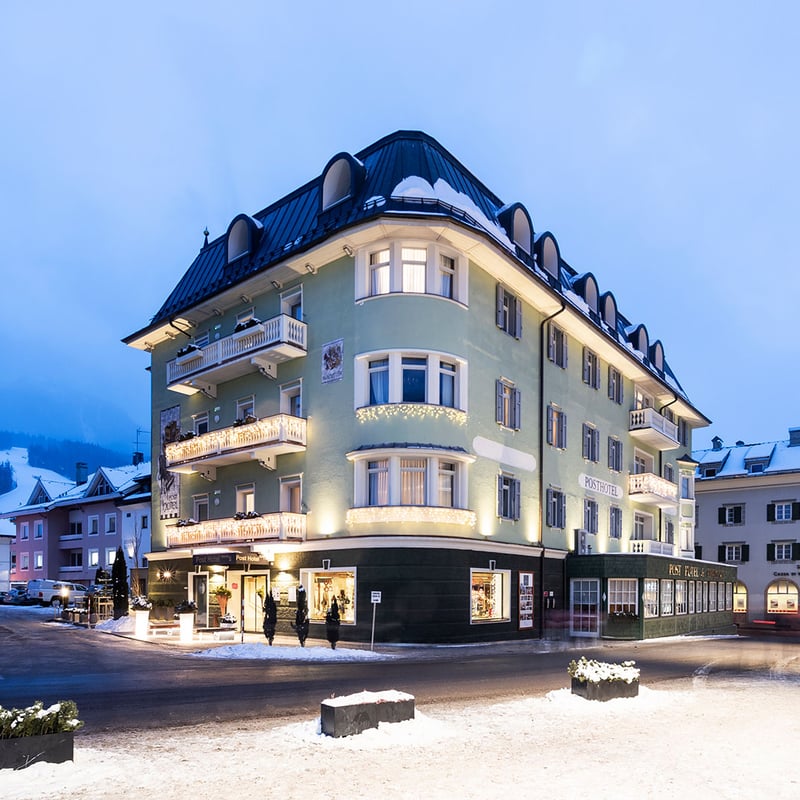
This adults-only retreat in San Candido pairs a 1926 heritage with bold contemporary interiors—rooms feature graphic murals against warm wood floors, some framing the Dolomite peaks. The spa complex opens onto a Secret Garden, while the P-Lounge updates après-ski rituals with sleek modern lines. At Ristorante Post Hotel, refined Tyrolean cooking rewards travelers seeking Alpine calm without family crowds.
Where to Eat

★★★ Michelin· Green Star ●
Inside a former textile mill villa surrounded by parkland near Brunico, Norbert Niederkofler pursues his 'Cook the Mountain' philosophy with three-Michelin-star precision. The single tasting menu showcases hyper-local Alpine ingredients at their seasonal peak, served either in a dining room where an antique fabric book honors the building's industrial past, or at counter seats overlooking the open kitchen. A Green Star confirms the commitment to sustainability.

★ Michelin
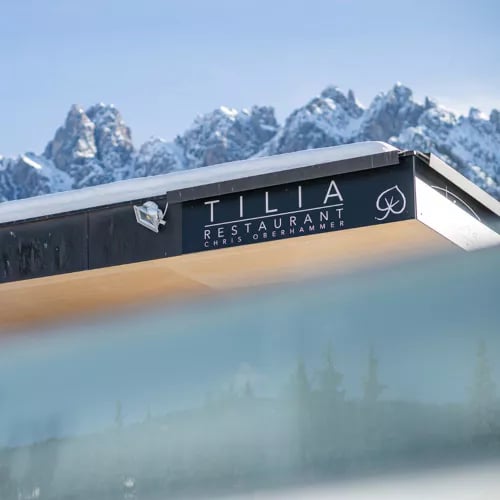
A glass-and-steel cube set within the gardens of Dobbiaco's former Grand Hotel, this one-starred table seats just twelve guests across five tables. Chef Chris Oberhammer crafts modern regional dishes using flour and meats from Klaude farm, a property run by a childhood friend, while caviar, seasonal truffles, and prawns introduce luxurious counterpoints. Anita Mancini's international wine selection completes the intimate experience.

Michelin Selected· Green Star ●
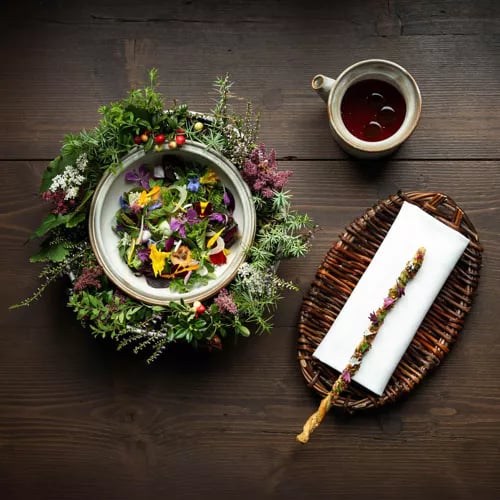
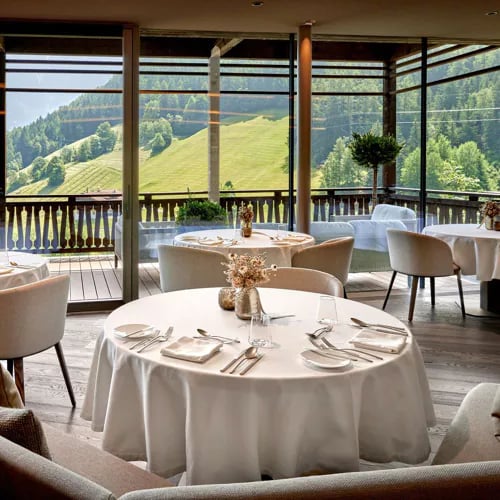
Chef Tina Marcelli's return to Valle Aurina brings fermentation-driven cuisine rooted in zero-waste principles and deep local ties—her sister and uncle among the supplying farmers. Two tasting paths await: the introspective 'About TM' in five or seven courses, or 'La Cucina di casa,' a four-course daily-changing homage to family cooking. Floor-to-ceiling windows frame the Dolomites while Marcelli herself presents plates in the intimate, contemporary dining room. Michelin Green Star.

Michelin Selected
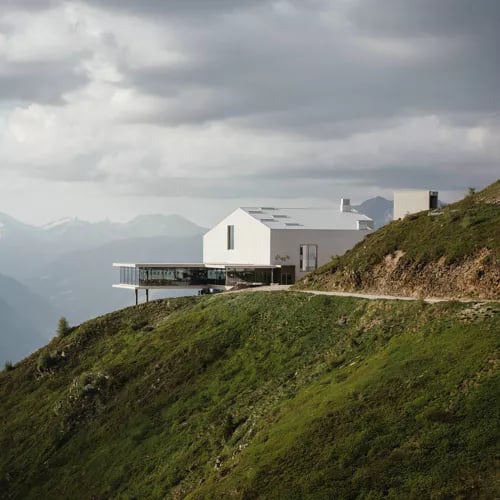
At 2,000 meters on Plan de Corones, reached by cable car and a snowy walk, Norbert Niederkofler's alpine outpost embodies his 'Cook the Mountain' ethos. The kitchen works exclusively with seasonal, local ingredients, extracting maximum flavor while eliminating waste. Five prime tables with panoramic views are held for tasting menu guests—reservations essential, as the last cable car descends at 5pm.

Michelin Selected
Beneath a belltower in the tiny hamlet of Issengo, two seventeenth-century Stube dining rooms set an intimate stage for Melanie's regional cooking. Her kitchen garden supplies much of what appears on the plate—vegetables, herbs, house-made syrups and preserves—while husband Michael oversees a thoughtful wine selection. The cuisine balances South Tyrolean tradition with modern imagination, suited to unhurried evenings in the Puster Valley.

Bib Gourmand
After a day carving through powder or trekking alpine trails, Durnwald delivers the reward: handmade Schlutzkrapfen—pillowy spinach and ricotta ravioli—and other Alto Adige classics that honor the valley's culinary heritage. The owner works the dining room himself, steering guests through regional wines with practiced ease while panoramic windows frame the South Tyrolean peaks. A Bib Gourmand address for good reason.

Bib Gourmand
Four centuries of unbroken service speak to Gassenwirt's deep roots in South Tyrolean gastronomy. The kitchen honors regional traditions through canederli pressati, the pressed dumplings that define mountain cooking here, alongside Buchteln — pillowy sweet buns that close meals on a nostalgic note. A Bib Gourmand holder, this church-adjacent address delivers authentic Alto Adige flavors without pretense.

Bib Gourmand· Green Star ●
A Bib Gourmand farmhouse restaurant raising its own beef cattle, Lerchner's channels South Tyrolean tradition through seasonal plates served as 'Tyrolean tapas'—small tastings that encourage exploration. The kitchen delivers hearty Gröstl and handmade Tirtlan rye fritters alongside homemade bread, while its Michelin Green Star signals genuine commitment to sustainable sourcing. The wine list stays resolutely local, showcasing regional bottles exclusively.

Michelin Selected
Three intimate dining rooms define Fana Ladina: a luminous space with village views, a historic Stube radiating alpine romance, and a summer terrace catching Dolomite light. Owner-chef Alma Willet greets each table personally while staff in traditional Ladin costume present regional mountain cuisine—hearty, rooted in local tradition, and served with genuine warmth that reflects the valley's enduring culinary heritage.
Frequently Asked Questions
What makes Val Pusteria's cuisine distinct from other Italian regions?
+
The valley's position at the intersection of Austrian and Italian cultures produces a genuinely hybrid gastronomy. Menus routinely feature both Tyrolean dishes like speck, canederli (bread dumplings), and kaiserschmarrn alongside Italian pastas and risottos. Many restaurants source directly from local masi (farms), particularly for dairy products and cured meats produced at altitude.
Which villages in Val Pusteria are best positioned for Dolomite excursions?
+
San Candido and Dobbiaco offer the most direct access to the Tre Cime di Lavaredo and the Sesto Dolomites. Brunico serves as a practical base for exploring the Plan de Corones ski area and the Kronplatz plateau. For quieter side valleys, Anterselva provides access to its namesake lake and biathlon center, while Valle di Casies remains one of the least developed corners of the region.
What wellness traditions are specific to South Tyrolean hotels?
+
Many properties incorporate local alpine elements into their spa offerings: hay baths drawn from high-altitude meadows, treatments using mountain pine and arnica, and saunas infused with local herbs. The region's Germanic heritage means the sauna culture follows Austrian-German conventions — often textile-free with structured aufguss rituals. Natural spring water and mineral-rich sources feed many hotel pools.
Nearby Destinations
Explore Italy

Val Pusteria
Val Pusteria cuts east through South Tyrol toward the Austrian border, a broad glacial valley framed by the Dolomites to the south and the Zillertal Alps to the north. The valley's main towns — Brunico, San Candido, Dobbiaco — each maintain distinct personalities. Brunico's medieval center clusters around a thirteenth-century bishop's castle, its cobbled lanes now lined with independent boutiques and wood-paneled wine bars. San Candido draws visitors to its Romanesque collegiate church and the Tre Cime di Lavaredo trailheads nearby. Between these anchors, smaller villages like Valdaora and Rasun preserve the timber-and-whitewash vernacular architecture typical of the region.
The culinary landscape reflects South Tyrol's position between Germanic and Italian traditions. Morning pastries might be Austrian-style apfelstrudel; lunch, a plate of schlutzkrapfen, the local half-moon pasta filled with spinach and ricotta. Several valley restaurants hold Michelin recognition, while agriturismi and traditional Stuben serve hearty speck platters and canederli in brodo. Hotel properties range from converted medieval residences to purpose-built wellness retreats, many featuring natural spring-fed pools and mountain-view saunas. The Rienza river threads through the valley floor, its tributaries feeding the side valleys of Anterselva and Casies, where pastoral quiet remains the defining characteristic.