


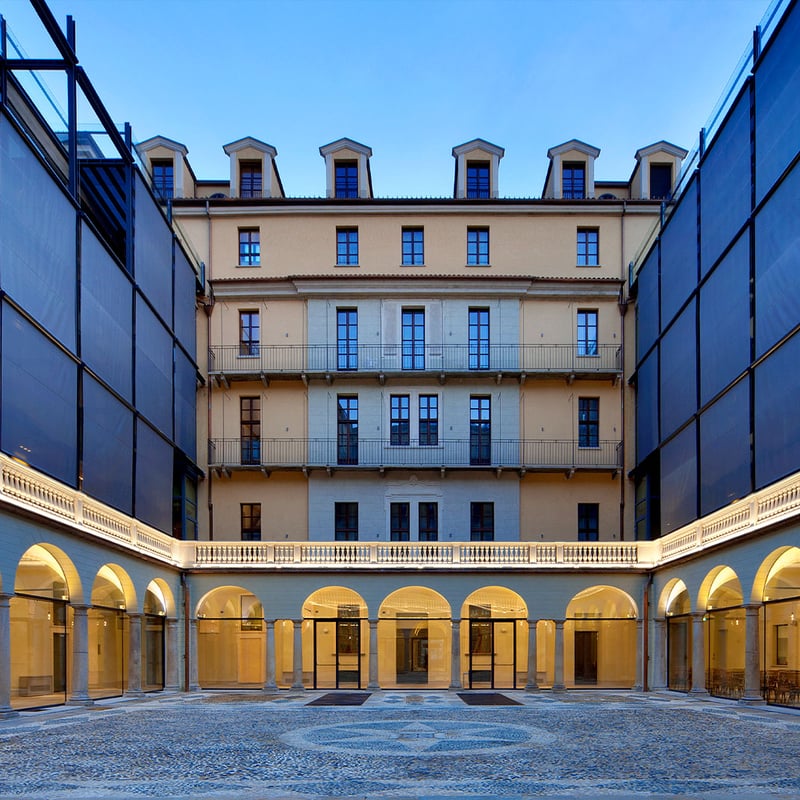
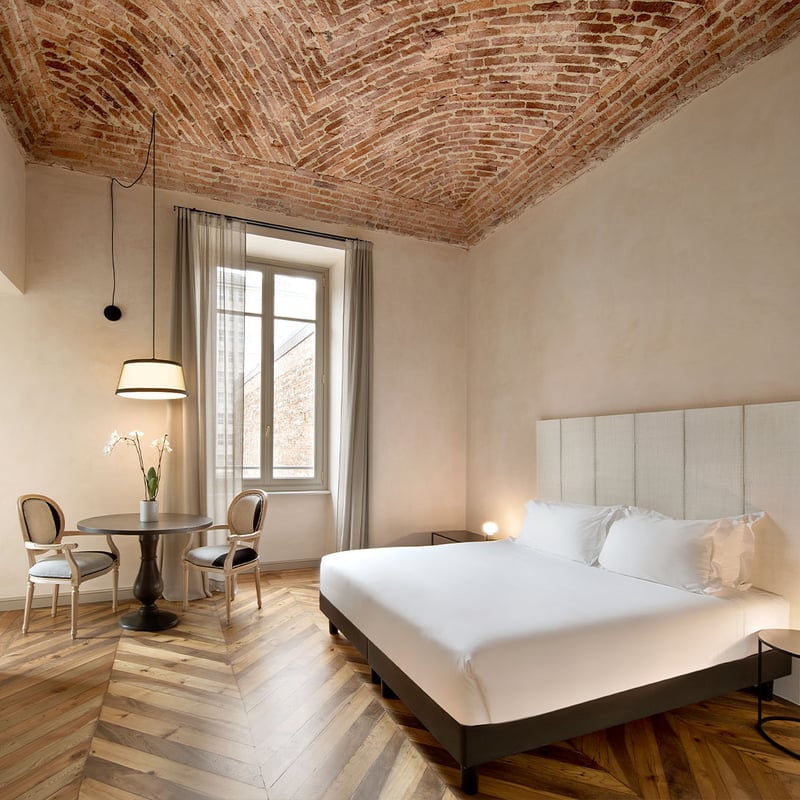
An 18th-century Regio Albergo di Virtu—once a training institution for impoverished youth—now houses 160 rooms behind its handsome façade on Piazza Carlo Emanuele II. Twin rooftop terraces survey Turin's dome-studded skyline, while the cedar-topped bar revives the city's aperitivo tradition each evening. Turndown brings gianduiotti chocolates to pillows, a nod to Turin's confectionery heritage. The Suite Antonelliana's vaulted wood-beamed ceilings reward those seeking architectural drama.
Turin Travel Guide: Best Hotels, Restaurants & Experiences 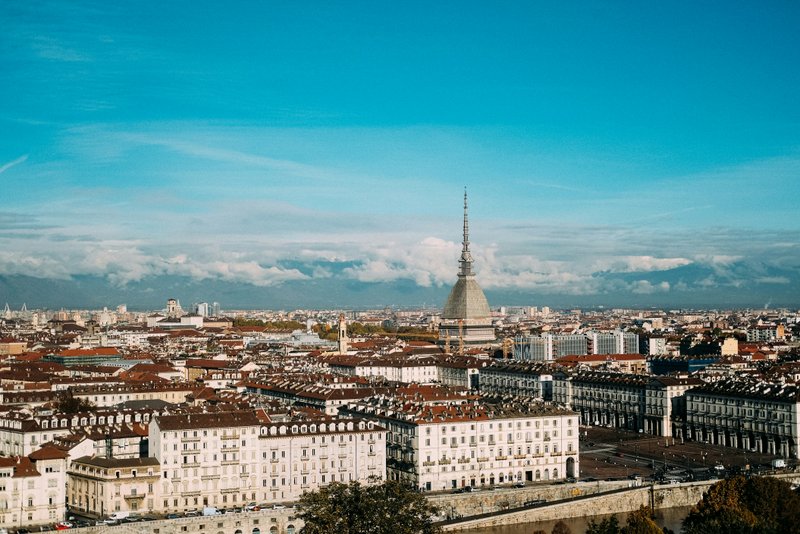
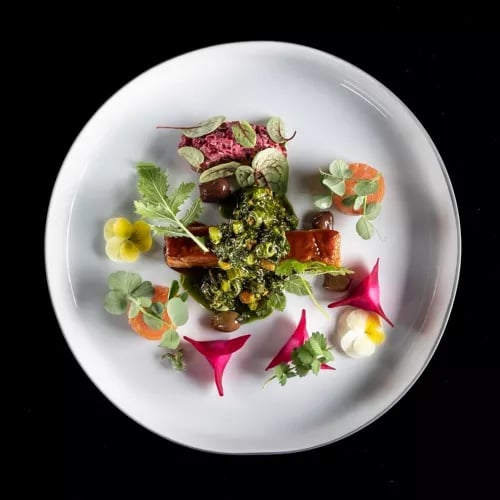
Explore Turin
Hotels (3)
Restaurants (7)
Where to Stay

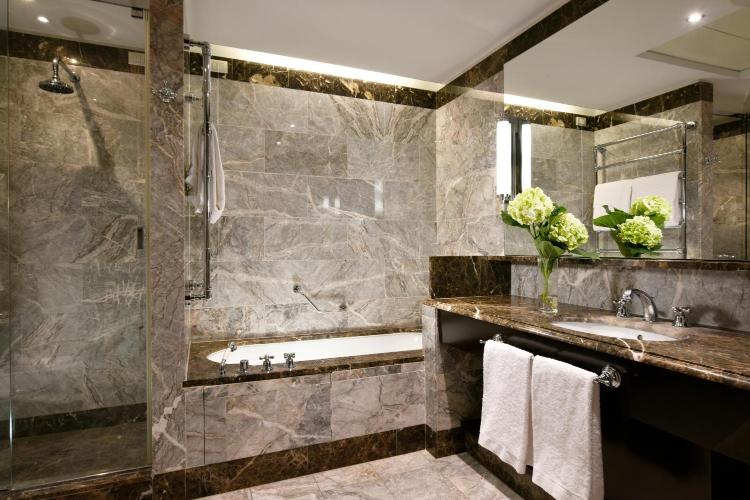
Nearly a century and a half of hospitality infuses Turin Palace Hotel, its grand façade echoing the monumental Porto Nuova station next door. Upper-floor rooms open onto private balconies surveying a panorama of terra-cotta rooftops, while the spa's hammam and sauna offer urban respite. Les Petites Madeleines delivers contemporary Italian cuisine with finesse, and the rooftop terrace draws summer crowds seeking aperitivo with a view.

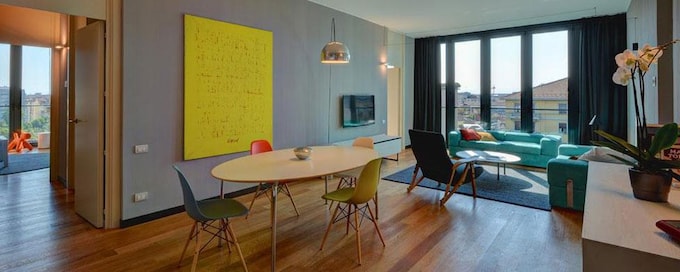
A 1970s rationalist high-rise on Corso Massimo d'Azeglio might seem an unlikely setting for boutique hospitality, yet DUPARC's all-suite format delivers precisely that—sleek Italian design paired with genuine warmth. Families find particular appeal here: children's suites come outfitted with designer toys, and the restaurant readily prepares custom pasta dishes for younger guests. Scale without sterility, rare in Turin.

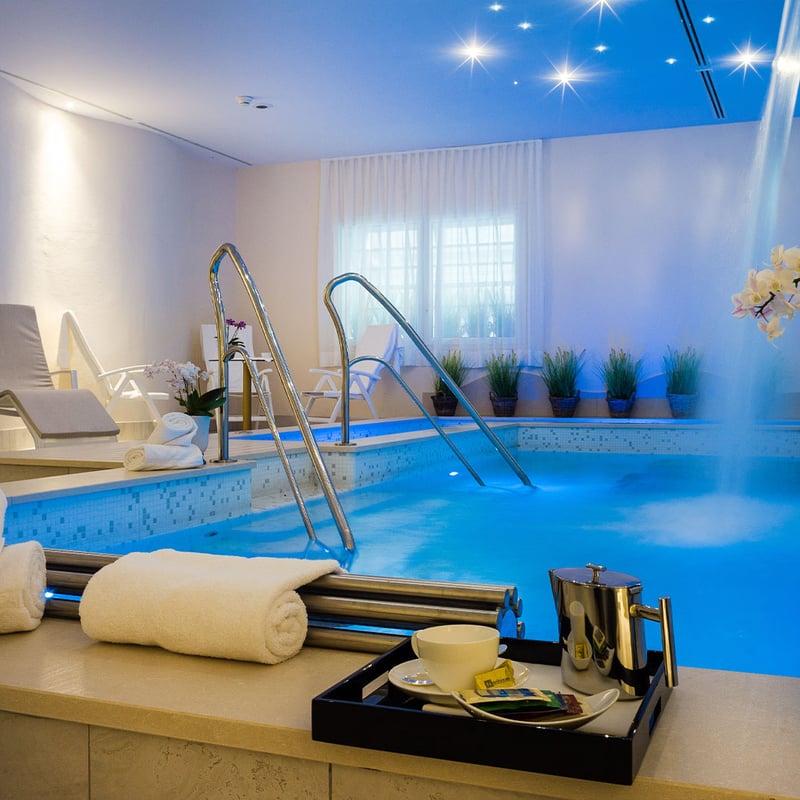
A Rationalist-era landmark steps from Porta Nuova station, this grande dame channels Art Deco glamour through its interiors while catering thoughtfully to families—interconnecting rooms span the first five floors, and children under twelve sleep free. Below ground, an expansive spa complex features generous steam and sauna facilities alongside a whirlpool, offering respite after days exploring Turin's baroque avenues.

Period furniture, floral sofas, and an open fireplace lend Hotel Victoria the atmosphere of a British country house transplanted to Turin, with subtle Asian accents punctuating the traditional décor. This family-run property particularly suits traveling families, offering interconnecting rooms, dedicated children's swimming hours, and attentive, personal service. The spa ranks among the city's finest, a welcome retreat after exploring the Piedmontese capital.

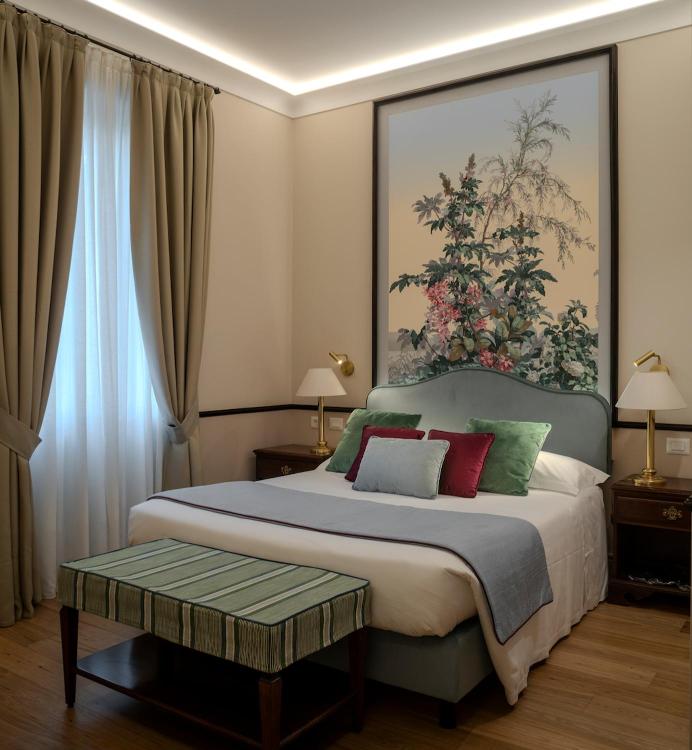
Original frescoes and ornate stucco from the Belle Époque era share these 38 rooms with sleek contemporary Italian furnishings—a pairing that feels deliberate rather than decorative. A sheltered interior courtyard offers unexpected calm amid Turin's busy center. Studio apartments with full kitchens suit families or longer stays, while the concierge readily navigates the surrounding neighborhood's dense concentration of restaurants.
Where to Eat

★ Michelin
Andrea Larossa holds one Michelin star for cooking that moves fluidly between Piedmontese tradition and broader creative ambition. The chef's deep knowledge of regional ingredients anchors tasting menus that range from terroir-driven compositions to plates drawing on influences from across Italy and beyond. A surprise menu rewards those willing to cede control entirely. Service in the spacious dining room is polished and unhurried.

★ Michelin
Antonino Cannavacciuolo, the celebrated three-starred chef of Villa Crespi, extends his culinary reach to Turin through this one-Michelin-starred address in Borgo Po. Chef Gabriele Bertoli navigates pan-Italian traditions with particular attention to Campanian roots, delivering contemporary dishes that carry personal inflections. The intimate succession of elegantly appointed dining rooms near Gran Madre church provides a refined setting for gastronomic exploration.

★ Michelin
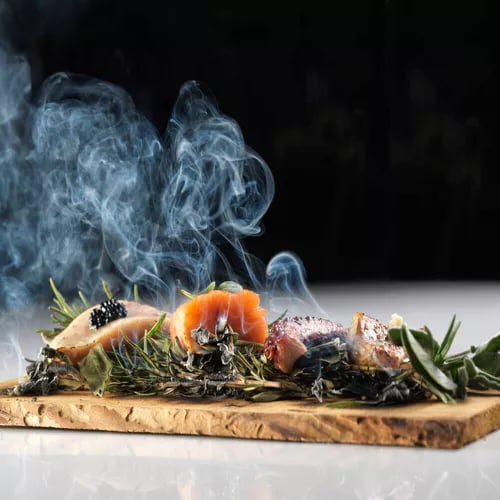
Davide Scabin, a chef who earned two Michelin stars at his former Rivoli establishment, now orchestrates dinner at the Grand Hotel Sitea. His singular tasting menu inverts convention: courses begin with rich intensities—sweetbreads, foie gras—then drift toward lighter vegetable preparations and bright acidity. Piedmontese tradition threads through creative detours, with wine pairings recommended over single bottles.

★ Michelin
Born from Ferran Adrià's creative vision and brought to life by Chef Federico Zanasi, this one-Michelin-starred table occupies the Lavazza Nuvola complex with deliberate theatricality—vivid colours, pulsing music, kinetic energy. The Festival and Gran Festival tasting menus distill Piedmontese tradition through minimal intervention, letting pristine ingredients speak. Dessert migrates to a lounge veranda for a playful parade of petits fours. Reserve well ahead.

★ Michelin
Cavour once dined beneath the gilded ceilings of this eighteenth-century landmark, gazing across Piazza Carignano toward Italy's first Parliament. Today, the Risorgimento room's original parquet still creaks underfoot as one-Michelin-starred cuisine arrives: vitello tonnato, agnolotti del Plin, and the signature pigeon alla Maredo, a dish of remarkable finesse. An exceptional regional wine list, particularly strong in Piedmontese bottles and German Rieslings, completes the experience.

★ Michelin
A short drive from Turin, this one-Michelin-starred restaurant occupies the fourth floor of the Reggia di Venaria, the magnificent Savoy palace. Diners reach elegant rooms appointed with mid-century furnishings, or settle on the terrace above the formal gardens. Chef Alfredo Russo builds his modern cuisine on exceptional Piedmontese valley produce, threading regional tradition through dishes that reveal quiet creative ambition.

★ Michelin
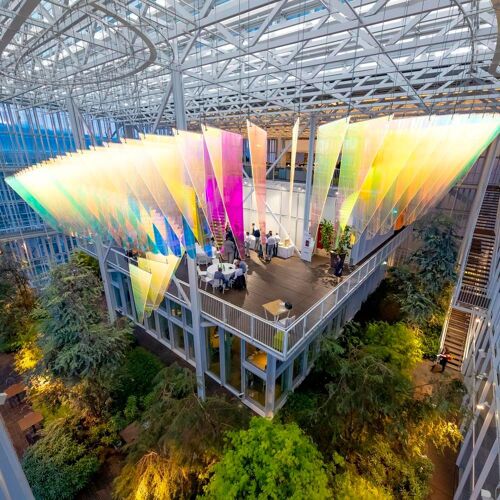
A swift lift ascends 150 metres to Renzo Piano's Intesa San Paolo skyscraper, where a one-starred dining room wrapped in greenhouse glass surveys Turin's rooftops. Three tasting menus rotate through Piedmontese traditions, broader Italian flavours, and signatures from sister restaurant Piccolo Lago—the standout maltagliati arrives as two generous pieces cloaked in squid jus and borlotti. Lunch shifts to relaxed bistro service.

★ Michelin
Ten seats arranged side by side at a counter, a blind tasting menu that unfolds without preview, and chefs Stefano Mancinelli and Sabrina Stravato greeting each guest before service begins—Unforgettable operates on intimacy and surprise. The one-starred kitchen plays with boundaries between sweet and savoury, producing dishes like potato crème caramel with onion, each course paired with wine and narrated by the team.

★ Michelin
Just outside Turin in San Maurizio Canavese, this one-starred table anchors its cooking in Piedmontese tradition while venturing into creative, occasionally oriental-inflected territory. Three modern dining rooms set the stage, though the real prize is the garden terrace—only three tables, fiercely sought in summer. The cellar runs deep: some 1,700 labels documented across two volumes, with generous by-the-glass options.

★ Michelin
Through a porticoed passage and quiet courtyard in Pinerolo lies chef Christian Milone's one-starred kitchen, where early twentieth-century architecture frames a refined take on Piedmontese tradition. The menu roots itself in regional classics while allowing creative reinterpretation to surface in each dish. A chef's table brings guests into direct contact with the brigade, while an intimate winter garden suits those seeking seclusion.
Frequently Asked Questions
Which neighborhoods offer the best dining in Turin?
+
The Quadrilatero Romano contains traditional trattorias and wine bars within its narrow Roman-era streets. San Salvario, near Porta Nuova station, attracts a younger crowd with contemporary restaurants in repurposed spaces. The area around Piazza Vittorio Veneto offers riverside dining with views toward the Gran Madre church.
What local dishes should visitors try in Turin?
+
Piedmontese cuisine centers on agnolotti dal plin (small meat-filled pasta), vitello tonnato (thin-sliced veal with tuna sauce), and bagna càuda (warm anchovy and garlic dip for raw vegetables). The city also claims bicerin, a layered drink of espresso, chocolate, and cream served in historic cafés along Via Po.
When is the best season to visit Turin?
+
Autumn brings white truffle season, when Alba's famous tartufi appear on menus throughout the city. Spring offers mild weather for walking the porticoed streets. Winter suits the café culture and proximity to Alpine ski resorts, while summer remains quieter than other Italian cities as locals retreat to the mountains.
Nearby Destinations
Explore Italy

Turin
Turin reveals itself slowly, a city of arcaded streets and baroque grandeur that once served as Italy's first capital. The Via Po stretches from Piazza Castello toward the river, its porticoes sheltering café tables where the ritual of bicerin — the city's signature layered drink of espresso, chocolate, and cream — has continued since the 18th century. The Quadrilatero Romano, the old Roman grid north of Piazza della Repubblica, now houses wine bars pouring Barolo and Barbaresco alongside shops selling aged Castelmagno cheese.
The dining scene reflects Piedmont's agricultural wealth. Restaurants serve agnolotti dal plin, the tiny pinched pasta parcels filled with roasted meat, and vitello tonnato sliced paper-thin. In San Salvario, the neighborhood south of Porta Nuova station, younger chefs reinterpret these traditions in converted industrial spaces. The Mole Antonelliana towers above it all, its spire visible from most corners of the centro storico, a constant reminder that this city of Fiat and vermouth has always looked both backward and forward.