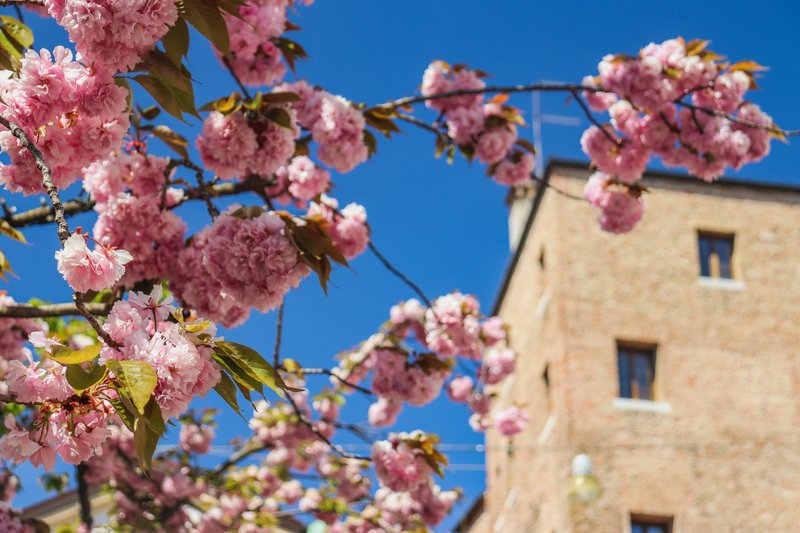
A seventeenth-century palazzo paired with a Liberty-style annexe, Villa Abbazia occupies prime position amid the Prosecco hills between Treviso and the Dolomites. The family-run property arranges cycling through surrounding vineyards, cellar tastings of Conegliano Valdobbiadene DOCG and prized Cru Cartizze, and vineyard picnics. Evenings bring regional cooking at the rustically appointed Bistrot, while eighteen individually decorated rooms ensure a quiet retreat.
Where to Stay
Where to Eat
Roman archaeological ruins form the backdrop at Gellivs, where chef Alessandro Breda orchestrates a one-starred menu within Oderzo's Antica Opitergium museum. Contemporary furnishings create deliberate tension with ancient fragments underfoot. The cooking moves between regional comfort—potato mousse layered with cod and puntarella—and playful fusion like the Treviso-Tokyo lobster. A substantial cellar spans Italian and international bottles.
Chef Nicola Dinato's dual-menu approach at Feva offers diners a choice between creative evolution and beloved classics—the scampi busara risotto among the latter remains essential. Original wooden beams and a period courtyard frame the contemporary-minimalist interior, while an exceptional cellar harbors treasures like the 1999 Case Basse Soldera Brunello. A refined destination for serious gastronomes exploring the Prosecco hills.
Chef Marco Feltrin channels years spent in Indonesian kitchens into a seafood-focused menu where charcoal-grilled snapper and squid with leeks showcase his East-meets-West sensibility. The open kitchen anchors a warm, Indonesian-inflected dining room, while organic and biodynamic wines complement the Asian flavors. A separate bistro-bar offers cocktails and street-food bites for those seeking a more casual encounter.
Frescoes and a crackling fireplace set the scene at this elegant dining room within Villa Abbazia, where chef Giuseppe Francica—raised in these very kitchens—crafts vegetable-forward Venetian cuisine from the estate's own garden. His colourful, herb-laced plates pair beautifully with a Riesling-strong wine list, while summer brings service to a refined outdoor terrace overlooking the Prosecco Hills.
Chefs Beatrice Simonetti and Manuel Gobbo helm this contemporary Treviso address where canal-side tables offer the most atmospheric dining. Their signature Risotto alla Cima anchors a menu that balances creative ambition with Veneto tradition, while the 'Beccherie 1962' tasting menu revisits the restaurant's historic recipes through a modern lens. The tiramisù remains essential.
The Alajmo brothers operate this rustic riverside retreat where the Sile flows toward the Venetian lagoon. Vintage farmhouse charm frames views of the kitchen garden, vineyard, and surrounding meadows—ingredients that appear hours later on the plate. The cooking pivots on seasonal vegetables, though seafood and regional meats share equal billing, each dish grounded in the Veneto's agricultural rhythms.
A Bib Gourmand address in the Prosecco foothills, Dalla Libera pairs rustic Venetian tradition with bistronomic finesse. The kitchen's signature gnocchi arrives with a trio of tomato preparations, while summer dining shifts outdoors to an American-style barbecue garden. Wine collectors will appreciate the carefully assembled list, which includes Italian benchmarks alongside rare vintages worth seeking out.
Generations of the same family have shaped this Prosecco hills trattoria into a keeper of Veneto gastronomy, earning a Bib Gourmand for delivering contemporary cuisine at honest prices. Character-filled dining rooms give way in warmer months to an elegant veranda draped in climbing plants. The cooking honors regional traditions while embracing modern technique—a compelling stop for travelers exploring the wine country.
Rustic warmth pervades this wine bar-osteria hybrid in San Polo di Piave, where Bib Gourmand cooking meets genuine environmental commitment, recognized with a Green Star for sustainable practices. The kitchen excels at golden-fried seafood—scampi, squid, crayfish—finished with quality olive oil, alongside robust meat preparations. Natural wines dominate the by-the-glass selection, making this an ideal stop for curious palates exploring the Prosecco hills.
Three walnut trees shade the summer terrace at this family-run trattoria, a Bib Gourmand address serving the Prosecco hills since 1965. The kitchen holds firm to regional tradition: hand-rolled pastas, slow-roasted rabbit paired with a layered potato millefeuille. Fields and vineyards stretch beyond the dining room windows, setting a pace as unhurried as the cooking itself.
Frequently Asked Questions
What is the best time of year to visit the Prosecco Hills?
+
Late September through October brings the vendemmia, when harvest activity fills the hillside vineyards and many estates open their cellars for tastings. Spring offers wildflower blooms between the vine rows and milder temperatures for walking the steep trails.
How does Treviso's centro storico compare to Venice?
+
Treviso shares Venice's canal system and Gothic-Venetian architecture but without the crowds. The pace is distinctly provincial, with locals cycling along the walls and stopping for ombre — small glasses of wine — at bars that serve the same families for generations.
What local dishes should visitors seek out in Treviso?
+
Radicchio rosso tardivo, the prized bitter chicory harvested in winter, appears grilled, in risotto, or raw in salads. Tiramisù was born here — look for versions made with mascarpone from local dairies. Sopa coada, a layered pigeon and bread casserole, remains a lesser-known regional specialty.
Nearby Destinations
Explore ItalyTreviso rewards the unhurried visitor. Within its medieval walls, frescoed façades line canals that once powered wool mills; the morning fish market on Isola della Pescheria still operates as it has since the 1800s. The centro storico unfolds along three waterways — the Cagnan, Sile, and Botteniga — where willow branches brush the surface and wrought-iron footbridges connect cobbled streets. Restaurants here serve radicchio tardivo in winter, white asparagus come spring.
North of the city, the Prosecco Road climbs through the steep vineyards of Valdobbiadene and Conegliano, now UNESCO-protected. Stone-walled agriturismi and family-run osterie occupy these hills, pouring wines that taste sharper and more mineral than their industrially produced cousins. The landscape alternates between tight rows of glera vines, chestnut woods, and villages where church bells still mark the hours. From these slopes, on clear days, the Dolomites appear as a pale outline on the northern horizon.