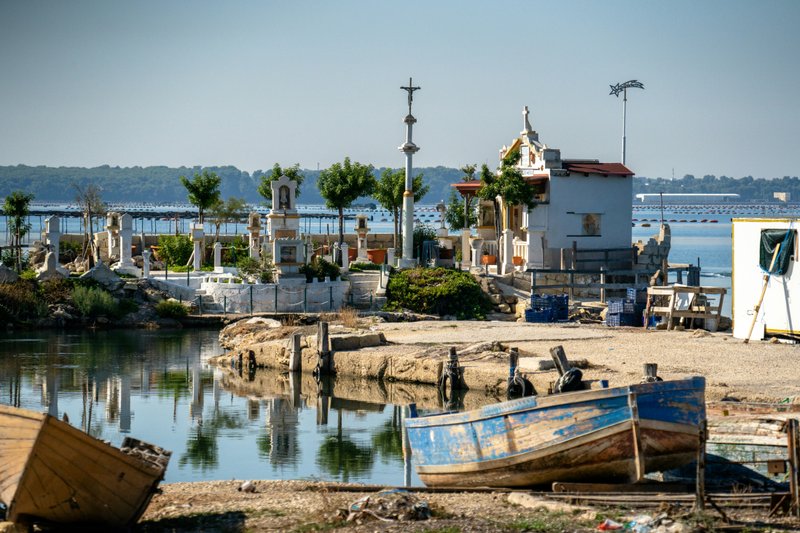
This adults-only masseria occupies a 2,700-year-old archaeological site where restored farm buildings house 21 rooms finished in natural wood and stone, some with private plunge pools or hammams. The spa resides within an ancient granary. Mornings bring organic eggs from resident hens and honey from the almond grove, served on handcrafted Grottaglie ceramics; afternoons might involve Vespa rides through olive groves or cookery lessons that begin in the garden.
Where to Stay
Terracotta walls and coral-hued courtyards define this intimate eight-room masseria, where arched doorways open onto olive groves stretching toward the Puglian horizon. Barrel-vaulted ceilings and thick stone walls keep rooms cool and quiet, while the pool lies shaded beneath umbrella pines. Evenings gather around an outdoor fireplace; mornings bring yoga on the terrace and local cheeses at breakfast.
Vaulted limestone ceilings and whitewashed walls define this adults-only masseria south of Oria, where 18 rooms and two suites occupy a restored farmhouse and contemporary annex, each with its own outdoor pool. The compact spa features a hammam and Finnish sauna, while the restaurant draws on an organic kitchen garden for traditional Puglian dishes. Almond and olive groves ensure a sense of seclusion twenty minutes from the coast.
Thick vine-covered stone walls, high arching ceilings, and a brick-lined wine cellar anchor this converted Spanish colonial masseria near the Ionian coast. The eco-friendly fifteen-room retreat spreads across manicured gardens dotted with olive groves and vineyards, offering indoor and outdoor pools, a Turkish bath, and a restaurant serving regional Puglian dishes. Cooking classes, olive oil tastings, and horseback excursions reward guests who venture beyond their private terraces.
Where to Eat
A Bib Gourmand address in Crispiano's village centre, this family-run table draws on deep local roots—the father's former career as a butcher informs the carefully sourced meat selection, while the kitchen excels with fresh vegetables and handmade pasta. The troccoli with wild chicory, cherry tomatoes, and broad beans exemplifies the approach. Below, a cellar holding over 500 labels rewards serious wine enthusiasts.
Beside the church of San Carlo Borromeo in San Marzano di San Giuseppe, this Bib Gourmand restaurant delivers modern Pugliese cooking built entirely on local ingredients, including herbs grown steps from the kitchen. The chef's years in Bologna inform the house speciality—hand-stuffed pasta executed with precision. A vaulted dining room with open kitchen creates theatrical intimacy, while the terrace offers warm-weather dining with village views.
Three generations of the same family have shaped this intimate fish restaurant on via Cavour, their story told through black-and-white photographs lining the walls. The kitchen maintains an unwavering focus on seafood, earning Michelin recognition for its straightforward approach. A well-maintained dining room with honest cooking suits travelers seeking authentic Puglian maritime flavors without pretense.
Perched along the Salento coastline where beaches and rocky coves frame every view, La Barca delivers a seafood-focused menu built on classic preparations that let impeccably fresh fish speak for itself. The owner commands the dining room with hands-on hospitality, while the kitchen sends out generously portioned plates at accessible prices—an increasingly rare combination along this stretch of Puglia's coast.
Steps from Brindisi's port, this unpretentious trattoria has built its reputation on impeccably fresh seafood, most of it kissed by open flames on the grill. The generous antipasto buffet showcases the day's catch in multiple preparations, while the spacious terrace becomes the preferred setting once temperatures climb. Michelin-recognized yet firmly affordable, Pantagruele delivers honest maritime cooking without ceremony.
Frequently Asked Questions
What is the best area to stay in Taranto?
+
The Città Vecchia (old island) offers atmospheric stays in converted historic buildings with views over both seas, while the Borgo Nuovo on the mainland provides more contemporary options along the waterfront promenade with easier access to restaurants and the archaeological museum housing the famous Ori di Taranto gold collection.
How far apart are Taranto and Brindisi?
+
The two cities are approximately 70 kilometers apart by road, connected by the SS7 coastal route that passes through Mesagne and offers views of olive groves and masserie. The drive takes roughly one hour, making it practical to base yourself in one city while exploring both during a Puglia itinerary.
When is the best season to visit Taranto and Brindisi?
+
Late spring (May-June) and early autumn (September-October) offer ideal conditions — warm temperatures for coastal exploration without summer's intense heat and crowds. These shoulder seasons coincide with excellent seafood availability and allow comfortable wandering through the historic centers. Holy Week in Taranto features dramatic processions dating to Spanish rule that draw visitors specifically for the atmospheric rituals.
Nearby Destinations
Explore ItalyTaranto's Città Vecchia occupies an island between two seas — the Mar Grande opening to the Ionian and the enclosed Mar Piccolo, a natural harbor that shaped Greek, Roman, and medieval maritime trade. The old town's narrow vicoli wind past Aragonese fortifications and Romanesque churches, while the Lungomare Vittorio Emanuele III offers evening passeggiata views across to the steel works that define modern Taranto's complicated identity. Hotels here range from converted noble residences to contemporary properties overlooking the swing bridge that connects the island to the mainland.
Brindisi, sixty kilometers north along the Adriatic coast, served as the terminus of the Via Appia and departure point for Crusaders heading east. The Roman columns marking the ancient road's end still stand at the port, where ferries now connect to Greece and Albania. The centro storico clusters around the Duomo and its medieval baptistery, with accommodation options concentrated along the waterfront promenade and in restored buildings within the historic quarter. Both cities share Puglia's tradition of exceptional raw seafood — ricci di mare, crudo di pesce — served in trattorias where fishermen deliver the morning catch directly to kitchen doors.