The Tinari family has run this Michelin-starred table on the edge of Parco della Maiella since 1966, with mother Angela and son Arcangelo now commanding the kitchen. Their three tasting menus—selected at booking—interpret Abruzzese tradition through refined, occasionally inventive compositions. A beer cellar stocking over a thousand labels adds unexpected depth to the experience, served with genuine warmth by Peppino and Pascal.
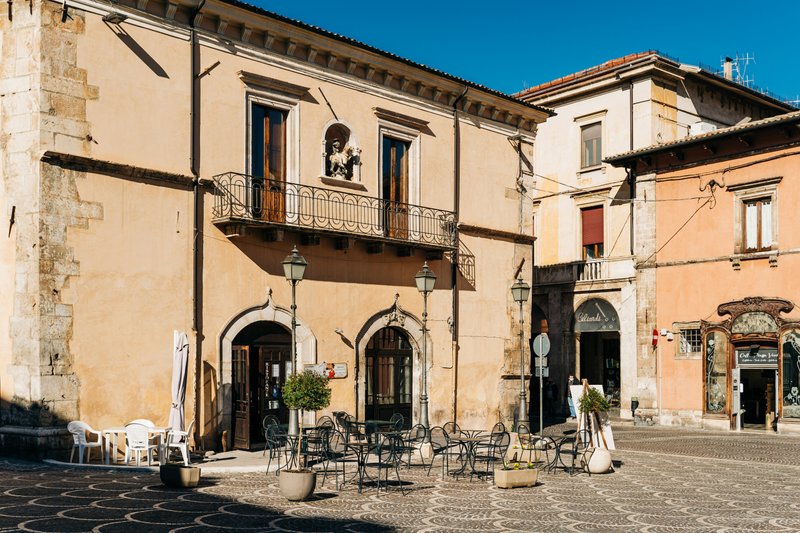
Inside the restored stables of an early nineteenth-century palazzo on Piazza Santa Monica, Clemente channels Abruzzo's culinary identity with focused precision. The kitchen works exclusively with regional ingredients—hand-cut pasta alla chitarra tinted with Aquila saffron, robust meat-centered mains, and the signature Pan dell'Orso semifreddo. A Bib Gourmand holder, the restaurant delivers generous portions in a warm, bistro-style setting ideal for unhurried evening meals.
A rustic stone building in the hills above Caramanico Terme houses this Bib Gourmand address, where the kitchen channels the robust flavors of Abruzzo through strictly regional ingredients. Portions arrive generous and unfussy—lamb, legumes, handmade pasta—prepared with the confident simplicity that earned Michelin's recognition for value. The setting suits travelers seeking authentic mountain gastronomy without pretense.
A former painter turned chef brings an artist's eye to this intimate Popoli address, where plates arrive as carefully composed as canvases. The cooking draws on Abruzzo's inland larder—mountain herbs, local cheeses, regional cured meats—transformed through modern technique into dishes that favor clarity and balance. The minimalist dining room, elegant and unhurried, suits travelers seeking a personal culinary statement away from coastal crowds.
Within the Parco della Maiella, the medieval village of Pescocostanzo—celebrated for its pillow lace tradition—harbors this refined table at the Relais Ducale. The kitchen tends its own gardens, supplying heirloom potatoes, onions, and seasonal vegetables that anchor a modern interpretation of Abruzzo cooking. The dining room maintains an understated elegance, letting the produce-driven plates speak with quiet authority.
Frequently Asked Questions
What is Sulmona's confetti tradition?
+
Sulmona has produced confetti—sugar-coated almonds—since at least the fifteenth century. Local artisans shape them into flowers, bouquets, and decorative objects, sold in workshops throughout the historic center. The craft is associated with weddings and celebrations across Italy, though Sulmona remains its acknowledged capital.
How accessible is Maiella National Park from Sulmona?
+
The park begins within a thirty-minute drive from Sulmona's center. Entry points at Pacentro, Caramanico Terme, and Campo di Giove provide access to marked trails ranging from gentle valley walks to demanding summit routes. The park protects beech and fir forests, Apennine wolves, and medieval hermitages carved into cliff faces.
What regional dishes should visitors expect in local restaurants?
+
The area's signature preparations include maccheroni alla chitarra with lamb ragù, arrosticini (skewered lamb grilled over coals), and sagne e fagioli (pasta with borlotti beans). Saffron from the nearby Navelli plateau appears in risotti and local sweets. Mountain cheeses and cured meats from small producers round out most menus.
Nearby Destinations
Explore ItalySulmona occupies a valley floor beneath the Maiella massif, its medieval center arranged around Piazza Garibaldi where the Wednesday and Saturday markets have operated since the thirteenth century. The town's confetti tradition—sugar-coated almonds shaped into elaborate flowers—dates to the Renaissance and remains a living craft in workshops along Corso Ovidio. Beyond the Porta Napoli, the valley opens toward the Peligna plain, where saffron fields color the autumn landscape.
The Maiella National Park rises directly east, its beech forests and hermitages accessible from villages like Pacentro and Campo di Giove. Restaurants here work with mountain ingredients: lamb from the altopiano, lentils from Santo Stefano di Sessanio, wild herbs gathered from alpine meadows. The dining culture remains firmly local, with family-run trattorias serving handmade maccheroni alla chitarra and arrosticini grilled over open coals.