


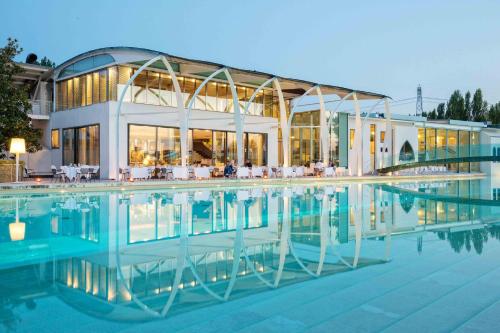
A futuristic circular silhouette rises from Milano Marittima's beachfront, its interiors the unlikely fruit of collaboration between a poet and mosaic artist. Hotel Waldorf's 34 rooms open onto Adriatic-facing balconies, while suites add private jacuzzi terraces with dedicated spa cabins—the Diamond Suite crowning it all with a rooftop pool. A design-forward retreat favored by VIPs seeking Emilia-Romagna's sunnier, less crowded coastline.
Rimini & Riccione Travel Guide: Best Hotels, Restaurants & Experiences 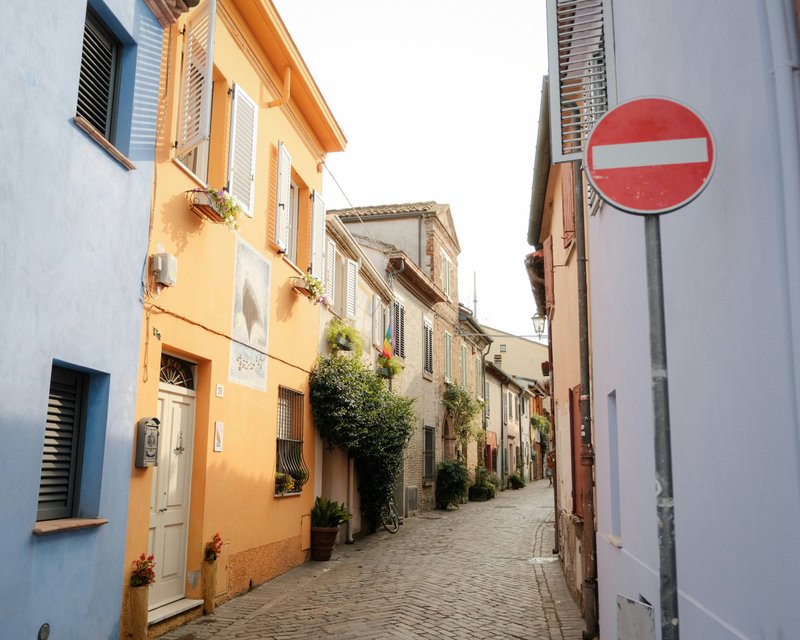
Explore Rimini Riccione
Hotels (3)
Restaurants (7)
Where to Stay

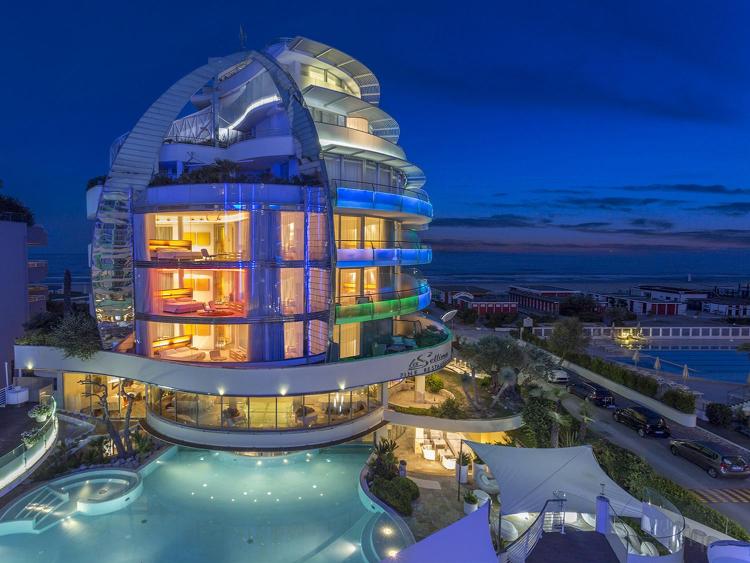
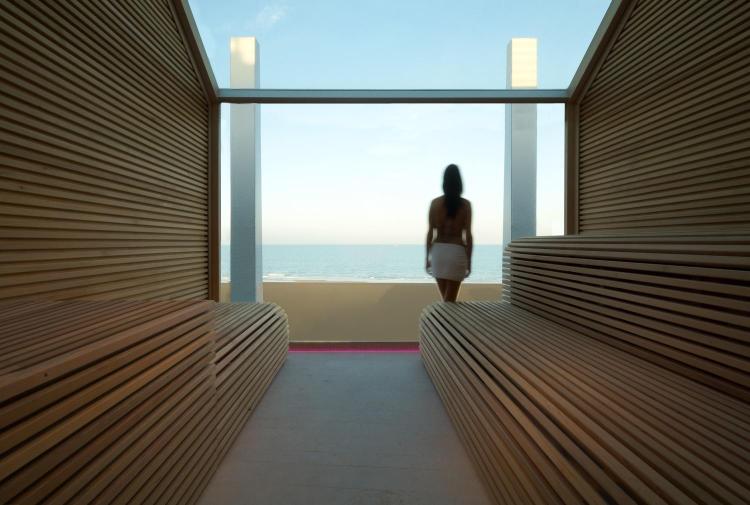
Simone Micheli's futuristic vision dominates this Adriatic seafront property, where rounded white surfaces and gleaming chrome create an almost spacecraft-like aesthetic. The entire sixth floor houses a panoramic spa wrapped in curved glass, while below, an LED-lit pool operates year-round between indoor and outdoor zones. Couples seeking theatrical romance can book the Dolce Vista suite with its freestanding Corian bathtub positioned center-stage. Adult-oriented yet family-tolerant, with Rimini's sandy beach directly opposite.

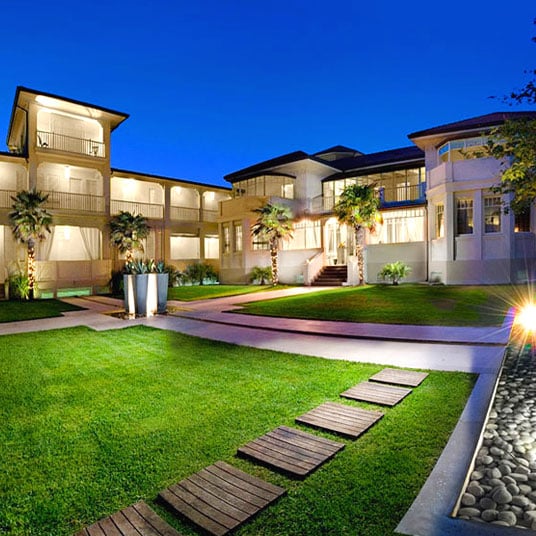
Owned by the family behind the Ferretti fashion house, this intimate beachfront villa draws a design-conscious international clientele to an otherwise unremarkable stretch of Adriatic coast. Interiors blend Japanese Zen minimalism with African accents across 38 rooms. The adults-only property offers a pool, Turkish bath, and garden, while the family's acclaimed seafood restaurant sits conveniently next door.

Expansive glass walls and pale Noto stone give this 32-room golf resort a luminous, contemporary character. Rooms feature oversized soaking tubs, while the spa complex offers a sauna, jacuzzi, and Turkish bath for post-round recovery. Two pools—one indoor, one seasonal outdoor—complement a Mediterranean restaurant serving lighter midday fare. A polished retreat for golfers and wellness seekers alike.
Where to Eat

★ Michelin
An Argentine chef trained across Michelin-starred kitchens in France, Spain, and Italy brings South American inflections to Romagna's seasonal produce at this one-star table tucked into Rimini's old quarter. The deliberately concise menu allows each dish to receive meticulous attention, while the husband-and-wife operation—he at the stoves, Camilla overseeing both kitchen and dining room—creates an intimate, refreshingly informal atmosphere.

★ Michelin
Chef Agostino Iacobucci's Cesenatico outpost occupies the storied villa once home to two-Michelin-starred Magnolia, now earning its own star under resident chef Marco Garattoni. The Neapolitan cook channels years of fine-dining discipline into vibrant, seafood-driven plates — precise, colourful, unapologetically contemporary. His triple-fermented babà has become a pilgrimage-worthy finale, impossibly light and perfectly calibrated.

★ Michelin
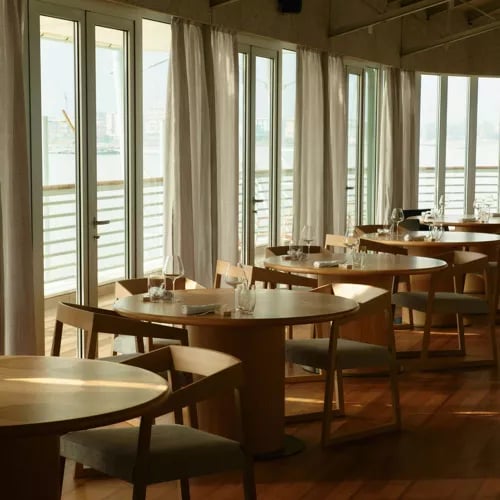
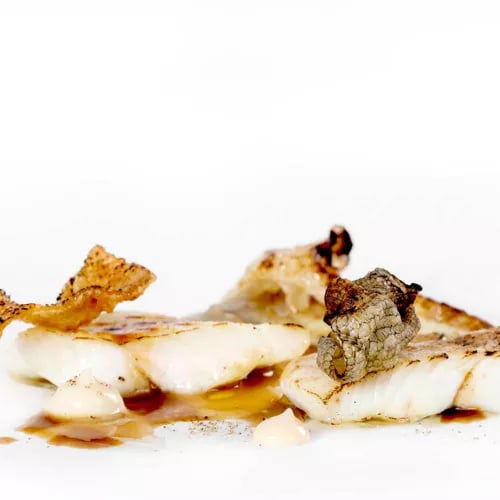
At the end of a jetty in Rimini's working docks, Da Lucio commands an extraordinary position surrounded entirely by water. The one-star kitchen sources Adriatic fish exclusively, aging each catch to intensify flavor before finishing over wood fire or presenting raw. Diners enter past the open kitchen—a calculated bit of theater—into a long dining room where Romagna's seafood traditions receive precise, contemporary treatment.

★ Michelin
Behind the unassuming façade of a Rimini beach club lies a one-Michelin-starred dining room of hushed sophistication. The kitchen honors the Adriatic through deceptively simple-sounding dishes—mantis shrimp gratin among the signatures—executed with creative precision. Newer additions like seafood pizza hint at future classics. A well-curated cellar emphasizes sparkling wines and crisp whites, completing an elegant seaside evening.

★ Michelin
Summer dining reaches its apex on La Buca's terrace, suspended directly above Cesenatico's historic canal port with its colorful period houses reflected in the water below. This one-Michelin-starred kitchen channels the Adriatic through an extensive raw bar and refined compositions like stuffed mullet paired with pickled plums and lemon salad. An impressive champagne list runs deep, matching the seafood-driven menu course for course.

Michelin Selected
Inside a private beach club on the Romagna coast, Maré surprises with refined seafood served steps from the sand. The dining room frames a classic Italian beach scene—rows of umbrellas stretching toward the Adriatic. A signature dish of monfettini pasta, mantecato-style with cuttlefish, clams, mantis shrimp and ink, arrives with risotto-like creaminess. The champagne list rewards those who linger past sunset.

Michelin Selected
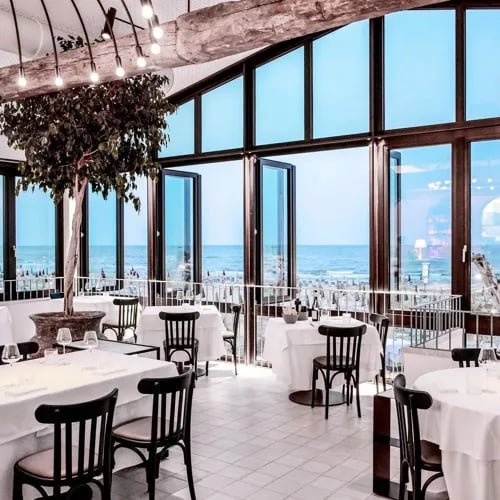
Rising from the sand itself, Onda Blu positions diners behind sweeping windows that frame the Adriatic shoreline. The kitchen champions pristine local fish through classic regional preparations, while market-driven specials—perhaps passatelli enriched with porcini, shrimp, and scallops—reflect seasonal availability. A wine list strong in French selections complements the unexpectedly refined atmosphere, where professional service matches the elegant simplicity of the dining room.

Michelin Selected
Perched above the beach and harbour in Milano Marittima, Terrazza Bartolini draws crowds to its panoramic terrace—advance booking essential. The kitchen takes an unfussy approach to seafood, presenting both raw preparations and cooked dishes seasoned with prized Cervia salt from nearby flats. Market-fresh specials, announced tableside each day, reflect whatever the morning boats brought in.

Michelin Selected· Green Star ●
Within the San Patrignano community near Rimini, chef Giuseppe Biuso draws on his Sicilian heritage to craft Mediterranean plates of uncommon integrity. The estate produces its own vegetables, raises livestock, and makes cheese on-site—a closed loop that earned a Michelin Green Star. Vegetarian dishes receive particular attention, and summer meals on the terrace survey the gentle Romagna hills.

Bib Gourmand
Part of a respected family of seafood addresses spanning Bologna and Milano Marittima, this Cesenatico outpost holds a Bib Gourmand for its generous, straightforward approach to fresh fish. The bistronomic format keeps things unfussy — expect well-executed plates in ample portions at fair value. No reservations mean early arrival is essential during peak season, but the queue speaks to local credibility.
Frequently Asked Questions
What is the best area to stay in Rimini for culture and nightlife?
+
Borgo San Giuliano offers the strongest sense of place, with Fellini murals on weathered walls and traditional trattorias steps from the Tiberius Bridge. For nightlife, Marina Centro provides direct beach access and proximity to the clubs that stretch south toward Riccione's Marano district.
How do Rimini and Riccione differ in atmosphere?
+
Rimini balances two millennia of history with beach tourism — Roman monuments stand minutes from the sand. Riccione skews younger and more fashion-forward, centered on Viale Ceccarini's shopping and a club scene that peaks between July and August. Families often prefer Rimini's broader beaches; couples seeking nightlife gravitate to Riccione.
What local dishes should visitors try in the Romagna Riviera?
+
Piadina romagnola is non-negotiable — this thin flatbread filled with prosciutto, squacquerone, and rocket defines the region. Passatelli in brodo, breadcrumb pasta served in capon broth, appears on winter menus. The Adriatic provides excellent shellfish: order spaghetti alle vongole or brodetto, the local fish stew seasoned with tomato and white wine.
Nearby Destinations
Explore Italy

Rimini Riccione
The Romagna Riviera unfolds along fifteen kilometers of fine sand, where Rimini's Roman heritage meets Riccione's contemporary resort culture. Rimini's Borgo San Giuliano, once a fishing quarter, now draws visitors with its pastel murals honoring native son Federico Fellini, while the Augustan Arch and Tiberius Bridge anchor the historic centro. Riccione operates on a different rhythm — Viale Ceccarini's designer boutiques and the beachfront promenade attract a younger, fashion-conscious crowd, particularly during summer when the clubs of the Marano district come alive after midnight.
The dining scene reflects Emilia-Romagna's reputation as Italy's culinary heartland. Piadina romagnola remains the essential street food, best eaten warm from a chiosco, filled with squacquerone cheese and wild rocket. Along the ports of both towns, restaurants serve the morning's catch — brodetto di pesce in the traditional Adriatic style, whole branzino grilled over wood. The aperitivo culture thrives on the lungomare terraces, where Spritz glasses catch the light as fishing boats return to harbor at dusk.