A restored nineteenth-century estate sprawling across 57 acres of the Val di Noto UNESCO zone, Country House Villadorata operates as an adults-only eco-retreat where biodynamic olive groves and almond orchards supply the Orti di Villadorata restaurant's zero-kilometre kitchen. Sustainably built Ecosuites come with private hot tubs, while a mineral salt pool offers restorative swimming amid absolute silence—ideal for couples seeking rural Sicilian seclusion.
Explore Ragusa Modica
Where to Stay
Occupying a wing of Noto's most lavish eighteenth-century palazzo, Seven Rooms Villadorata delivers Baroque grandeur at an intimate scale. Frescoed ceilings and stately columns frame just ten rooms—each named for a mythical Sicilian wind—dressed in a refined palette of white, silver, and black with antique bronze details. Select suites open onto balconies surveying the town, while the cellar-set Osteria Villadorata pairs Mediterranean cooking with candlelit stonework.
This 18th-century masseria half an hour inland from Syracuse houses just eleven rooms, each themed around a different artist, where modernist furniture sits against centuries-old stone walls. Three courtyards lead to a lemon orchard and pool deck designed for absolute stillness. Guests can take cooking, pastry, or photography classes between spa sessions. Open Easter through October, the estate suits couples seeking refined seclusion near baroque Noto.
A pink-washed manor house rises from olive groves in the rolling countryside near Baroque Noto, its weathered walls and sprawling grounds offering a refined take on the agriturismo tradition. Families find particular appeal here: spacious rooms accommodate multiple generations, while a generous pool and spa provide welcome respite from Sicilian heat. The relaxed atmosphere and well-maintained gardens deliver genuine country-house hospitality without pretension.
A 19th-century masseria restored with handmade Sicilian tilework and rustic limestone, this solar-powered estate spreads across citrus groves, olive trees, and cypresses southeast of Noto. Some of the 22 rooms open onto private gardens; all guests share access to the heated pool, sauna, Turkish bath, and jacuzzi. Dinner at Codarossa unfolds on a terrace facing Ionian sunsets—romantic, unhurried, paired with wines from surrounding vineyards.
Eight rooms carved from ancient stone cottages and cisterns climb through Modica's historic Jewish quarter, each space layered with Greek, Arabic, and Spanish influences by two Milanese designers. Hand-painted tiles and lace textiles dress the interiors, while terraced gardens frame the baroque rooftops below. Morning meals arrive at a communal table hewn into the hillside itself—a grown-up retreat with a seasonal pool and no distractions.
Olive groves and lemon orchards surround this nine-room retreat near Noto, where a restored masseria houses four suites with arched windows, high ceilings, and private plunge pools. Five freestanding eco-lodge yurts scattered across the property offer secluded glamping with open views. The all-vegetarian kitchen draws from on-site gardens, while yoga sessions and natural textures—linen, terracotta, weathered wood—define the barefoot luxury ethos.
Eleven rooms occupy a labyrinth of medieval palazzi in UNESCO-listed Ragusa Ibla, where rough limestone vaults and a rock-hewn staircase coexist with Philippe Starck Ghost Chairs. One suite occupies former stables carved into bedrock. The real draw lies below ground: a Michelin-starred restaurant set within atmospheric stone cellars. Pet-friendly and intimate, this address suits design-minded couples seeking Baroque Sicily without the crowds.
A 17th-century palazzo once belonging to a Spanish Inquisitor now houses nine intimate rooms dressed in antique tiles, rich velvets, and frescoed ceilings. The position on Corso Vittorio Emanuele delivers direct cathedral views, while a jasmine-scented courtyard garden wraps around a plunge pool. Breakfast extends into late-morning aperitivi in a salone filled with art books and marble busts—a refined base for exploring baroque Noto on foot.
Corso Vittorio Emanuele, Noto's theatrical Baroque spine, delivers guests straight to San Carlo Suites—an upmarket B&B where spacious rooms furnished with carefully chosen antiques evoke the private residence of Sicilian minor nobility. The intimate scale and central position suit families exploring southeast Sicily's UNESCO townscapes, with suites configured to accommodate children comfortably alongside the palazzo atmosphere.
Where to Eat
Chef Ciccio Sultano's two-Michelin-starred table occupies intimate rooms mere steps from the Duomo di San Giorgio in Ibla's baroque labyrinth. His 'citrica' philosophy channels Sicily's citrus groves into creative compositions—notably a pasture-raised lamb with Sicilian mole and fire-cooked green beans, its vegetable jus bridging sea and mountain. Two tasting menus and a thoughtfully assembled wine list complete an evening of serious island gastronomy.
Carved partly into the rock face of Ibla, Locanda Don Serafino pairs geological drama with refined contemporary cooking. Chef Vincenzo Candiano navigates between Sicilian tradition and creative invention, presenting dishes that honor local ingredients while exploring new territory. The elegant subterranean dining room sets an intimate tone, complemented by a wine program renowned for its vertical tastings — a compelling choice for romantic evenings in this UNESCO-listed baroque town.
Floor-to-ceiling windows frame the Sicilian sea at this one-starred Marina di Ragusa address, where chefs Giuseppe Causarano and Antonio Colombo orchestrate a catch-driven menu of uncommon finesse. Their signature smoked spaghetti with butter and anchovies delivers extraordinary creaminess and depth—a dish worth the detour alone. Sommelier Cettina navigates guests through volcanic Etna wines and rare island bottlings with assured expertise.
Set within the grounds of Il San Corrado di Noto, this gourmet table occupies a secluded rural estate far from the baroque towns below. Executive chef Martin Lazarov brings a vegetable-forward sensibility to Sicilian country cooking, letting garden produce and local traditions guide each plate. The Michelin Plate distinction confirms the kitchen's serious intent, suited to travelers seeking refined rusticity over urban polish.
Chef Marco Baglieri channels Noto's baroque grandeur into intensely refined plates at this one-Michelin-starred address near the Chiesa del Crocifisso. His artichoke two ways arrives on brioche with anchovy sauce, while cod gains depth from leek foam, cuttlefish ink, black truffle, and basil oil. The modern dining rooms, bathed in dusky light, frame a glass-walled cellar displaying serious Sicilian depth.
Lorenzo Ruta operates as a family affair in the Sicilian countryside near Modica, where an experienced local chef works alongside his wife and sommelier sister-in-law. The contemporary dining room, set within a secluded low-rise resort, presents multiple tasting menus alongside à la carte options featuring inventive meat and fish pairings. A wine list with particular depth in French bottles and champagnes rewards serious oenophiles.
Chef Matteo Carnaghi's creative cooking draws deeply from Sicilian tradition at this hillside restaurant within Country House Villadorata. The kitchen gardens surrounding the terrace supply vegetables that appear hours later on flexible tasting menus, while views stretch toward the distant sea. A refined destination for travelers exploring the Baroque splendors of Val di Noto who seek produce-driven cuisine with genuine local roots.
Chef-owner Andrea runs this Bib Gourmand address in Palazzolo Acreide's historic centre, where the Hyblaean mountains yield prized black truffles that have put this Baroque town on Sicily's gastronomic map. The kitchen turns out handmade pastas, rustic breads, and desserts alongside regional treasures: palazzolese sausage, black piglet, mountain trout, and exceptional local cheeses. Warm, familial service matches the terroir-driven cooking.
Three generations of family cooking converge at this lower Modica address, where grandfather Carmelo's 1971 Venezuelan homecoming sparked a culinary lineage now carried forward by his grandchildren. The kitchen roots itself in Sicilian tradition while drawing on exotic accents—notably a local ceviche interpretation called 'Ciauru ri mari.' An all-female service team delivers vivid, meticulously plated dishes; summer brings terrace seating on the piazza.
Lemon trees shade the terrace at this Modica address where chef-patron Peppe Barone's legacy continues through daughters Carla and Francesca. The younger generation brings fresh energy to Sicilian tradition, threading exotic spices and unexpected accents through island classics. Their wine list rewards the curious—staff recommendations often uncover bottles worth remembering. A destination for those seeking creative regional cooking with family soul.
Frequently Asked Questions
What is the best way to explore the different towns of Val di Noto?
+
A car provides the most flexibility, as the towns are scattered across the Iblean plateau with limited public transport connections. Ragusa, Modica, Scicli, and Noto lie within 30-45 minutes of each other. Many visitors base themselves in one town and make day trips, though staying in multiple locations reveals distinct local characters — Ragusa Ibla's medieval intimacy versus Noto's grander Baroque avenue.
When is the ideal season to visit southeastern Sicily?
+
Late April through June and September through October offer mild temperatures and manageable visitor numbers. The almond blossoms of early spring transform the countryside, while autumn brings the olive harvest and food festivals. July and August see intense heat and larger crowds, particularly during Noto's Infiorata flower festival in May. Winter remains quiet, with many smaller establishments closed but the towns beautifully empty.
What local food specialties should visitors seek out in Val di Noto?
+
Modica chocolate, made using a cold-processing technique introduced by Spanish colonizers, has a distinctive grainy texture and comes flavored with cinnamon, vanilla, or hot pepper. Ragusano DOP cheese — a stretched-curd variety aged in limestone caves — pairs with local honey. Look for scacce (folded flatbreads filled with tomato and cheese), mpanatigghi (meat-filled pastries with chocolate), and cassatelle, sweet ricotta turnovers. The region's cherry tomatoes, particularly the Pachino variety, concentrate intense sweetness in the volcanic soil.
Nearby Destinations
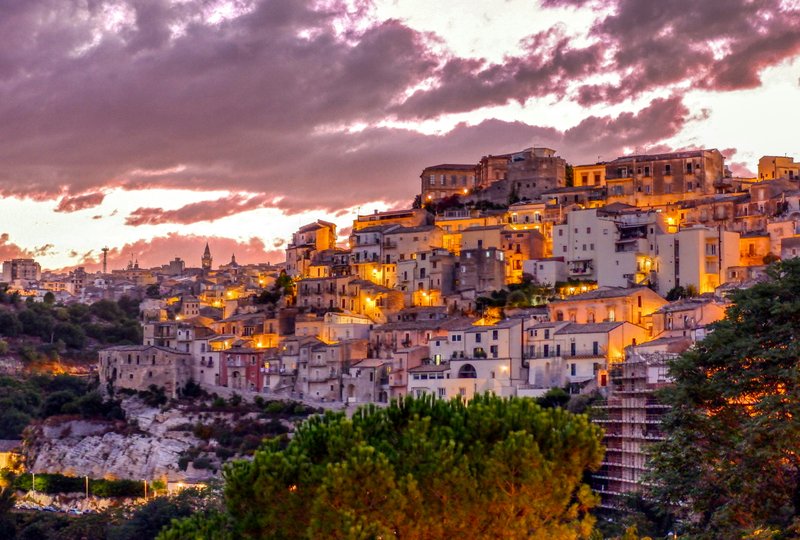
Explore ItalyThe Val di Noto emerged from catastrophe. The 1693 earthquake that leveled much of southeastern Sicily prompted a wholesale reconstruction in the exuberant Baroque style that now defines Ragusa, Modica, Noto, and Scicli. These towns climb limestone ridges and spill down ravines, their honey-colored churches and palazzi catching the afternoon light. Ragusa Ibla, the older quarter, remains largely pedestrian — a tangle of staircases, small piazzas, and aristocratic residences converted into intimate guesthouses. The newer Ragusa Superiore spreads along the plateau above, connected by a dramatic 242-step stairway.
Accommodation ranges from restored noble palaces within the historic centers to working agricultural estates in the surrounding countryside, where carob, olive, and almond groves pattern the landscape. The dining scene draws heavily on local tradition: Modica's Aztec-derived chocolate, the raw-milk Ragusano DOP cheese aged in natural caves, and pasta dishes dressed with dried tomato and wild fennel. Trattorias occupy converted stables and courtyards; more ambitious kitchens reinterpret the cucina povera of the region's peasant past. The rhythm here remains unhurried — an afternoon coffee in Scicli's Piazza Italia, an evening passeggiata through Noto's Corso Vittorio Emanuele.