


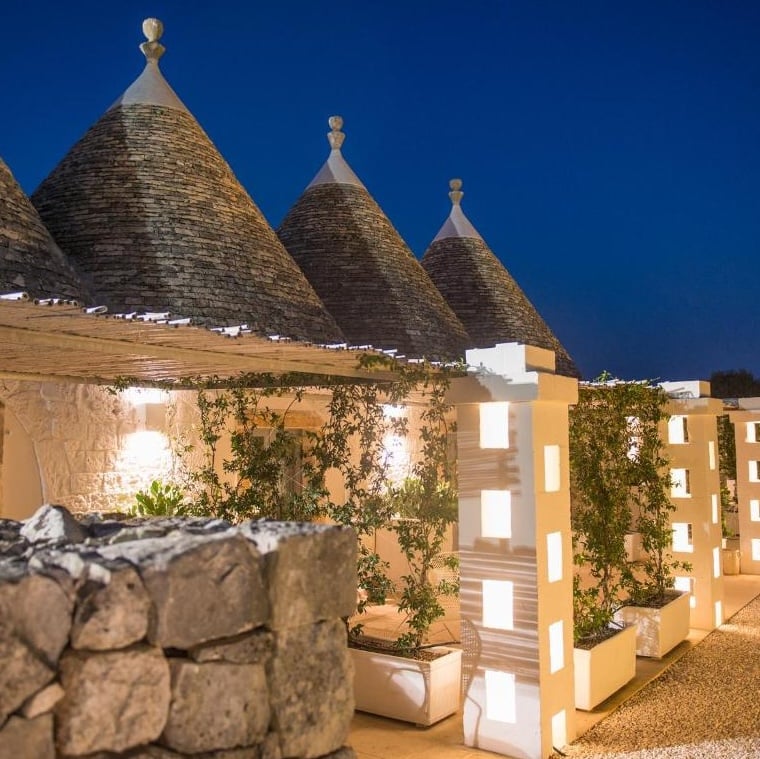
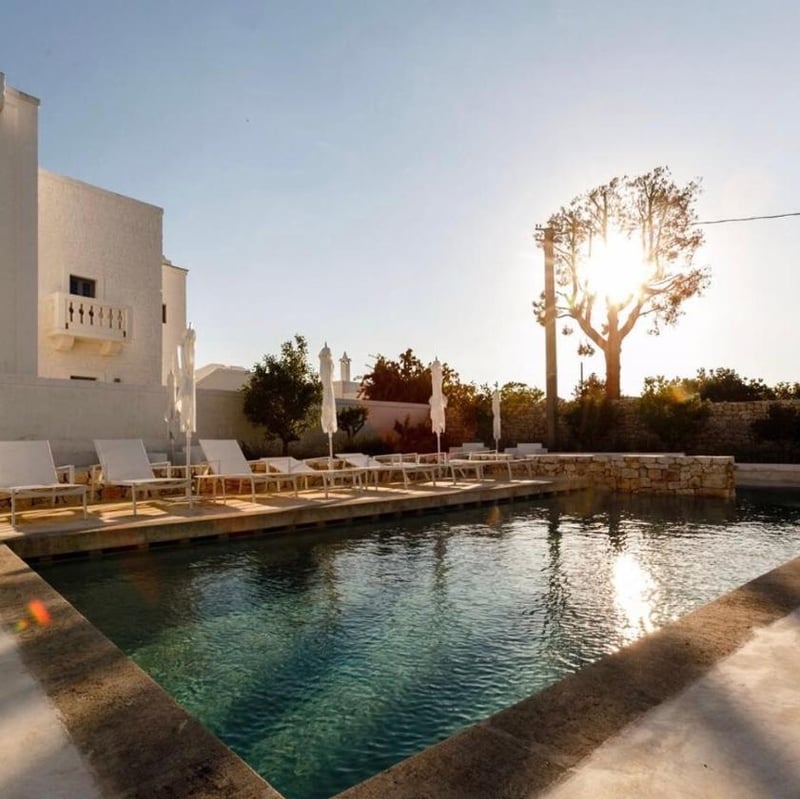
Six centuries-old trulli, converted from a working masseria, compose this intimate retreat in the hills between Fasano and Monopoli. Stone walls and arched ceilings retain their rustic bones, while old mangers serve as sculptural accents throughout. Vineyards and olive groves frame the property; a swimming pool beneath a shaded pergola anchors slow afternoons. Designed for travelers seeking rural Puglia distilled to its quiet, artful essence.
Polignano & Monopoli Travel Guide: Best Hotels, Restaurants & Experiences 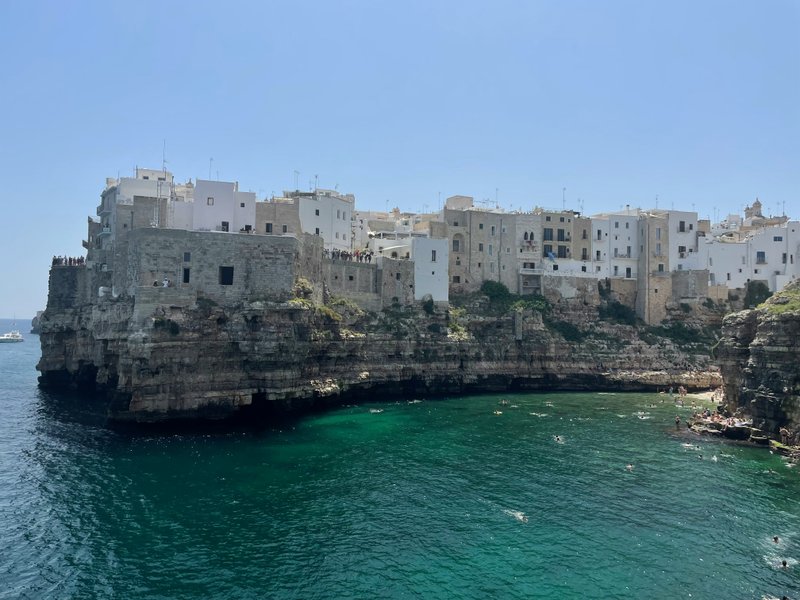
Explore Polignano Monopoli
Hotels (3)
Restaurants (2)
Where to Stay

Small Luxury Hotels
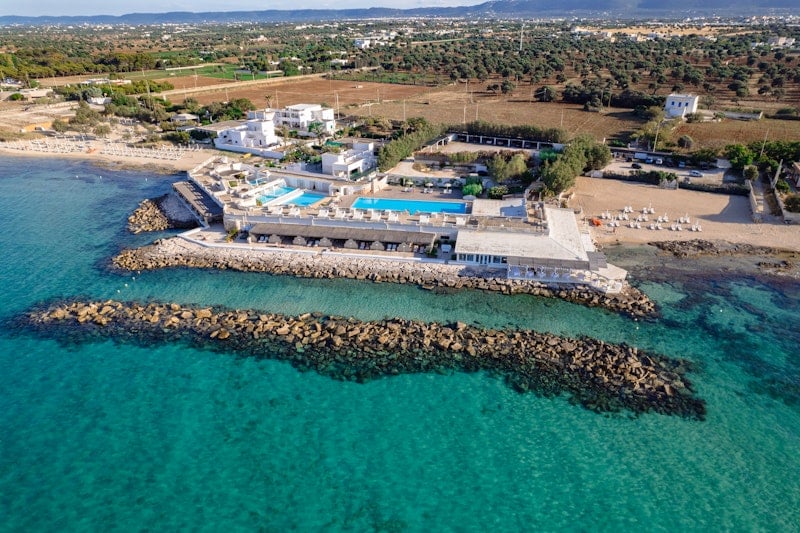
A former fish hatchery on Puglia's Adriatic shore, La Peschiera keeps just thirteen rooms behind natural stone walls and thatched canopies, its crisp white interiors opening onto private terraces above the sea. Seven pools dot the adults-only grounds alongside a private beach, while the two-Gambero Rosso-Fork restaurant serves fresh seafood on a lantern-lit terrace at the water's edge.

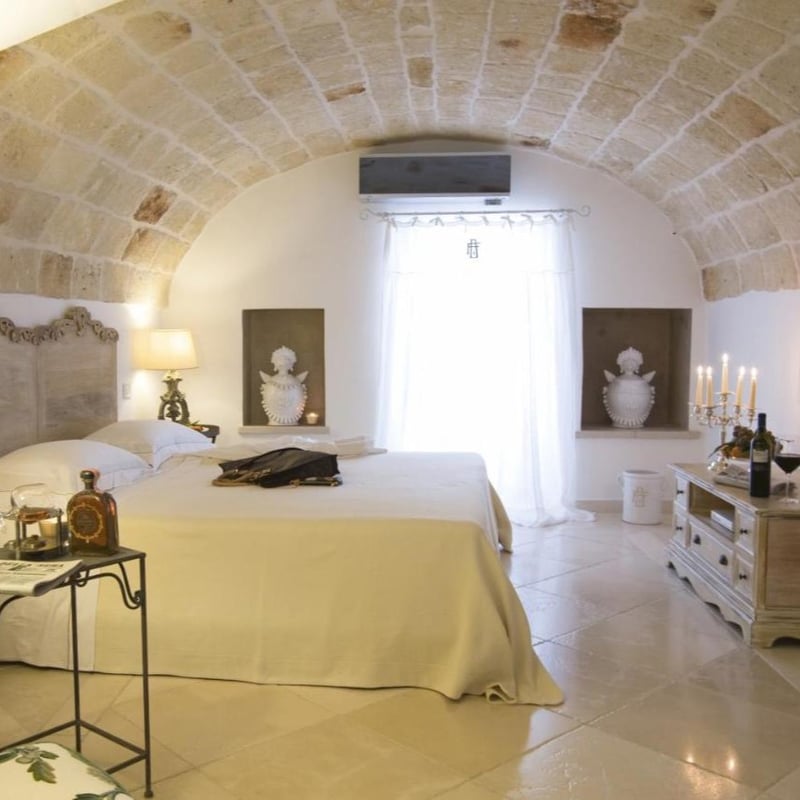
Seventeen rooms occupy a converted historic building where traditional Puglian stone vaults frame extraordinary Adriatic panoramas. Don Ferrante operates with the intimacy of a private residence, its seaside restaurant and bar positioned to capture the full sweep of the coastline. An outdoor pool and jacuzzi complete the offering for travelers seeking a quiet base along Monopoli's ancient seafront.

A mile inland from Polignano a Mare, this whitewashed stone farmhouse turned nine-room retreat delivers the quintessential Puglian masseria experience. Olive groves frame the property, while a seasonal outdoor pool offers respite between coastal excursions. Mornings begin with an expansive breakfast; afternoons drift through the gardens. The pet-friendly policy welcomes four-legged companions, appealing to travelers seeking pastoral calm with genuine regional character.
Where to Eat

★ Michelin
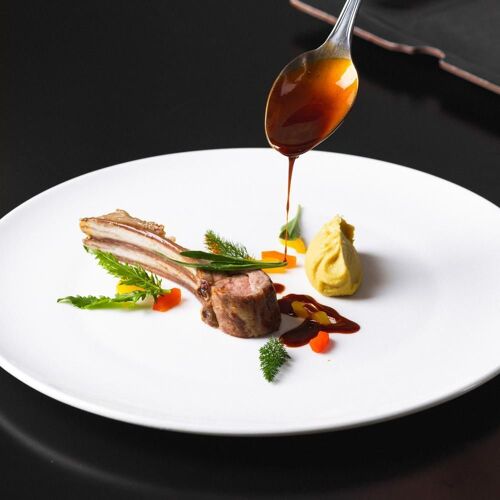
A 14th-century masseria surrounded by ancient trees provides the theatrical backdrop for chef Michele Spadaro's one-starred kitchen. His tasting menus—five or seven courses—deliver inventive readings of Puglian tradition, each dish grounded in regional produce yet unmistakably contemporary. The wine program runs deep, exceeding a thousand labels, with the option to dine directly within the cellar itself.

Michelin Selected
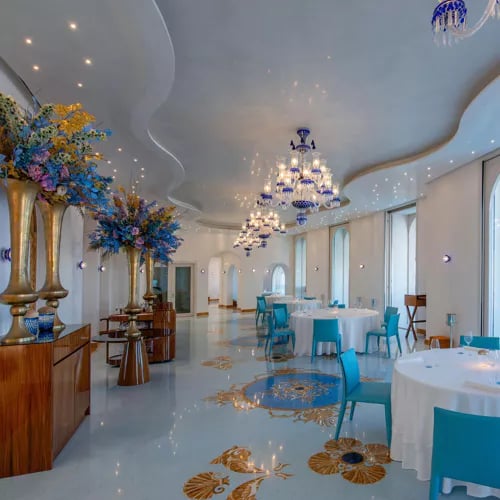
Mosaic floors and Venetian chandeliers fill the first-floor dining room of Palazzo del Suono del Mare, where tall windows frame the Adriatic coastline below. The kitchen holds a Michelin Plate for its contemporary reworking of Puglian traditions—expect regional ingredients treated with inventive technique. A panoramic terrace extends the experience outdoors, ideal for long summer evenings above the sea.

Michelin Selected
Steps from Modugno's statue, Meraviglioso commands a sea-facing balcony where whitewashed houses tumble toward the Adriatic. Chef Andrea Vicario's modern seafood kitchen draws depth from charcoal grilling—a technique applied with particular dedication to his main courses. The effect is vivid, smoke-kissed plates that honor Puglian waters while pushing toward contemporary expression. A compelling address for those seeking coastal drama matched by serious cooking.

Michelin Selected
Within the Nina Trulli Resort, surrounded by dry stone walls and Mediterranean scrubland, Orto draws its identity from the kitchen gardens guests can wander before dinner. The Michelin-recognized menu offers two paths: one entirely plant-based, the other incorporating proteins yet keeping vegetables at center stage. Both reflect an agricultural philosophy where the garden dictates the plate, suited to travelers seeking a contemplative, produce-driven meal.

Michelin Selected
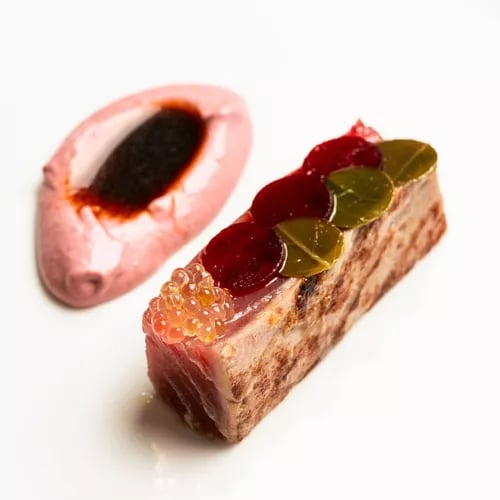
A short stroll from Lama Monachile's dramatic cove, Jamantè delivers contemporary Puglian cuisine in an elegant, spaciously appointed dining room. The kitchen opens with an impressive crudo selection honoring regional tradition, then pivots to elaborate fish and seafood preparations that showcase both technical ambition and local ingredients. Well-suited for couples seeking a refined evening along the Adriatic coast.

Michelin Selected
Radimare foregoes the tasting-menu format in favor of à la carte freedom, letting diners chart their own course through modern Mediterranean cooking. Fish and seafood anchor every plate, brightened by judicious touches of citrus and ginger that accent rather than overwhelm. The dining room's contemporary warmth—abundant greenery, natural wood surfaces—mirrors the kitchen's philosophy: seasonal ingredients treated with restraint and respect.
Frequently Asked Questions
What is the best area to stay between Polignano and Monopoli?
+
Polignano's centro storico suits travelers wanting dramatic cliff scenery and immediate access to the iconic Lama Monachile beach, though rooms tend to be smaller within converted historic buildings. Monopoli offers a more relaxed atmosphere with easier parking and a functioning town center beyond tourism. The countryside between both towns provides masseria options with pools and space, requiring a car but offering proximity to both.
When is the ideal season to visit this stretch of Puglia?
+
Late May through June and September through mid-October bring warm swimming temperatures without August's crowds and premium pricing. The sea reaches comfortable temperatures by late June. Winter months see many restaurants and hotels close, though Monopoli maintains more year-round activity as a working town. The Red Bull cliff diving event in late August transforms Polignano but makes accommodation nearly impossible to secure.
How do the dining scenes differ between Polignano and Monopoli?
+
Polignano's restaurants cluster in the centro storico with terrace seating and tourist-oriented menus, though several maintain serious kitchens. Monopoli retains more local-focused trattorias around the port area, where the fish is often cheaper and the clientele predominantly Italian. Both towns share Puglia's raw seafood tradition, with sea urchins, tartufi di mare, and crudo appearing on most menus between April and October.
Nearby Destinations
Explore Italy



Polignano Monopoli
These twin towns sit thirty kilometers apart on Puglia's Adriatic coastline, connected by the same limestone geology and maritime heritage. Polignano clings dramatically to eroded sea cliffs, its centro storico threading through narrow passages that open suddenly onto sheer drops above aquamarine coves. Monopoli sprawls more comfortably around its working fishing port, where the morning catch still arrives at the old harbour beneath the Castello di Carlo V.
The accommodation landscape here favors intimate scale over grand statements. Converted case and palazzi within the historic walls offer rooms with original vaulted ceilings and tufo stone, while the surrounding countryside holds masserias — fortified farmhouses — with private pools among ancient olive groves. Dining tilts heavily toward raw seafood: ricci di mare spooned straight from shells, crudo platters at port-side tavernas, and orecchiette with cime di rapa in trattorias unchanged for decades. The aperitivo scene concentrates along Monopoli's lungomare and Polignano's terrace bars overlooking Cala Paura, where Negronis arrive as the Adriatic turns copper at sunset.