Chef-owner Matteo Ugolotti channels Mantuan culinary heritage at this lavishly decorated dining room, where mirrors, chandeliers, and towering stacks of books create a theatrical backdrop. The menu resurrects Renaissance-era recipes alongside contemporary preparations, but the signature moment arrives at dessert: chocolate salami enrobed in warm zabaglione, poured tableside from a copper pan with ceremonial flourish.
Overlooking the river Mincio in the village of Curtatone, this Bib Gourmand address delivers generous Mantuan cooking at honest prices. The kitchen stays close to tradition—pumpkin tortelli, pike dressed in salsa verde, slow-braised meats—while desserts like crumbly sbrisolona and frothy zabaglione close meals on a reassuringly old-fashioned note. Ideal for travelers seeking regional authenticity over refinement.
A restored farmhouse along the ancient route once traveled by Matilda of Canossa provides the atmospheric setting for this Michelin-recognized table. The kitchen works with exceptional regional ingredients, applying restrained technique that allows Mantuan country traditions to speak clearly. Owners bring genuine passion to every service, making this an ideal detour for travelers seeking authentic Lombardian flavors without pretense.
A small villa in Revere's residential quarter houses this intimate dining room where Mantuan culinary traditions find quiet expression. The kitchen pivots with the seasons: locally sourced truffles command the menu when available, their earthy intensity showcased in regional preparations, while fish and seafood take precedence through the remaining months. The secluded setting suits those seeking unhurried, territory-driven cooking away from tourist circuits.
A former silkworm factory provides the unexpected setting for this seafood-focused address near Mantua, where contemporary interiors give way to a terrace for warm-weather dining. The kitchen distinguishes itself through pristine raw preparations and light, modern cookery, sourcing vegetables from its own garden. A rare find in a province where quality fish remains scarce.
Generous portions signal Mantuan hospitality at this intimate contemporary table on via Trieste, where the owner-chef moves between kitchen and dining room with practiced ease. The legendary pumpkin tortelli—served with butter or a robust tomato-sausage sauce—anchors a menu that ventures into creative territory: Emilian lamb tartare arrives with sautéed chard, savoury sbrisolona crumble, and seasonal black truffles from lower Mantova.
Named for a local dialect phrase meaning "sour sugar," Sücar Brüsc occupies the historic center of Mantua with an informal dining room where traditional sayings adorn the ceilings. The kitchen interprets regional Mantuan recipes through a contemporary lens, balancing rustic tradition with modern technique. A dedicated caviar menu adds an unexpected layer of refinement, appealing to diners seeking local character with cosmopolitan ambition.
A Hong Kong native and her Suzzara-born partner have built something personal in this welcoming address near Mantua. The menu moves fluidly between Italian tradition—including well-executed fish preparations—and distinctly Asian dishes, each grounded in seasonal, locally sourced ingredients. An internationally minded wine list mirrors the couple's dual heritage, while their passion for applied arts shapes the room's convivial atmosphere.
Frequently Asked Questions
What traditional dishes should visitors try in Mantua?
+
The city's signature plates include tortelli di zucca (pumpkin-filled pasta with mostarda and amaretti), risotto alla pilota with pork sausage, and stracotto d'asino, a slow-braised donkey stew that reflects the region's agricultural heritage. Finish with sbrisolona, a crumbly almond tart traditionally broken by hand rather than sliced.
Which neighborhoods are best for exploring Mantua on foot?
+
The centro storico between Piazza Sordello and Piazza delle Erbe concentrates the major palaces and churches within a compact walking circuit. The area around the Palazzo Te, south of the historic core, offers quieter streets and the Gonzaga pleasure palace with its Room of the Giants. For lake views, walk along Lungolago dei Gonzaga toward the San Giorgio bridge.
How does Mantua's location affect its character?
+
Surrounded on three sides by the Mincio River's lakes — Superiore, di Mezzo, and Inferiore — the city developed as a natural fortress. This watery isolation preserved its Renaissance center largely intact while limiting sprawl. The lakes also shape daily life: morning fog in autumn, evening promenades along the shore, and a cuisine featuring freshwater fish alongside the region's famous pork and pumpkin dishes.
Nearby Destinations
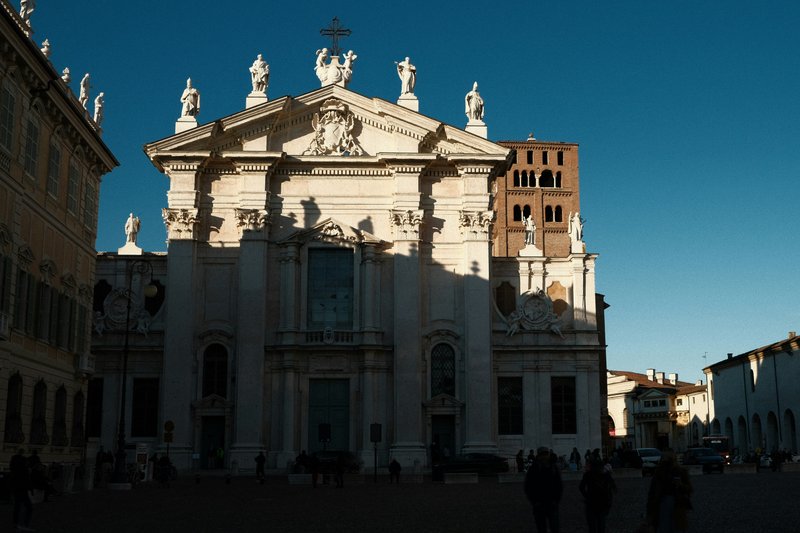
Explore ItalyThree lakes encircle this Gonzaga stronghold, creating a cityscape where water mirrors frescoed facades and morning mist softens medieval towers. The centro storico unfolds around Piazza delle Erbe, where porticoed buildings shelter food shops selling aged Parmigiano and tortelli di zucca. Palazzo Ducale's five hundred rooms once rivaled the Vatican in scale; today its Mantegna frescoes draw scholars and aesthetes to this corner of southern Lombardy.
The dining scene tilts toward tradition. Risotto alla pilota, named for rice-husking workers, appears on nearly every menu alongside stracotto d'asino and sbrisolona, that crumbly almond cake served with sweet wine. Trattorias cluster along Via Corridoni and near the fish market at Piazza Canossa. The rhythm here is slower than Milan, two hours east — aperitivo stretches toward nine, dinner rarely starts before half past.