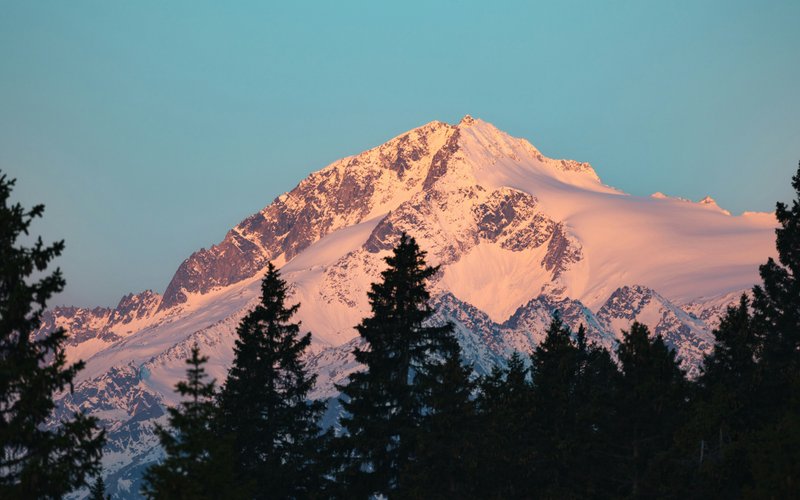
Sharp geometric lines and floor-to-ceiling pyramid windows frame the Brenta Dolomites at this modernist retreat, the first major luxury address in the Madonna di Campiglio ski area. An in-house ski shop and concierge service shuttle guests directly to the Pinzolo gondola, while one of the Alps' largest spas sprawls across four floors—nine saunas, a salt grotto, and an indoor magnesium-infused lake for post-slope recovery.
Where to Stay
The Maffei family converted their farmhouse into one of Trentino's first eco-conscious boutique hotels, and the personal touch shows—from the on-site ski rental to the complimentary slope shuttle running throughout the day. Rooms feature heated floors and private balconies facing the Brenta Dolomites, while a stone wine cellar and panoramic pool reward après-ski hours. The location just outside town ensures quiet evenings away from the crowds.
Stone and timber construction anchors Casa Cook's first alpine property to its Dolomites setting, where floor-to-ceiling windows frame dramatic mountain panoramas. This adults-only retreat positions skiers steps from the lifts, with a dedicated boot room streamlining morning departures. A spa with sauna and gym offers recovery after runs, while summer transforms the terrain into hiking country—making the fifty-room hotel a year-round destination.
Twenty rooms spread across three themed floors—velvet evoking Dolomite sunsets, wool channeling the warmth of watching snowfall from within, mountaineers' portraits celebrating Alpine pioneers. The airy wood interiors and perpetually crackling lobby fireplace set a convivial tone, while select rooms surprise with mini climbing walls. Downstairs, the spa features a salt cave and chromotherapy; upstairs, the intimate six-table Dolomieu restaurant honors local tradition in refined oak-paneled surroundings.
Steps from the ski lifts, this intimate eighteen-room Alpine retreat caters to winter sports enthusiasts with on-site equipment rental and a modern spa featuring jacuzzi and sauna—ideal for unwinding after a day on the slopes. The classic-style Due Pini restaurant anchors the dining experience, while elegantly appointed guestrooms maintain a refined mountain aesthetic throughout.
Where to Eat
Within DV Chalet, Dolomieu holds a Michelin star for its contemporary alpine cooking. The tasting menu traces the valleys surrounding Madonna di Campiglio through seasonal ingredients and precise technique, while à la carte options maintain equal ambition. A dedicated maître-sommelier rotates by-the-glass selections, drawing from Italian cellars and further afield—ideal for guests seeking refined mountain gastronomy.
Chef Matteo Maezza's one-starred table within Lefay Resort draws its philosophy from the Dolomites' vertical landscape, structuring menus around three altitude zones. Valley-floor dishes might feature Lake Garda whitefish with Mugo pine milk, while high-mountain courses deliver venison saddle under a creamed rye crust with cardoon gratin. The champagne-strong wine list matches the ambition of this refined Alpine address.
Stone walls and fragrant wood set the stage at Hotel Bertelli's gastronomic address, where Chef Sabino Fortunato holds one Michelin star for his technically assured Alpine cuisine. Game, freshwater fish, and hay-smoked preparations meet Mediterranean inflections in recipes calibrated for precise flavor balance. The cellar, over 800 labels deep and curated with evident passion, rewards serious wine exploration.
Inside the Biohotel Hermitage, an early twentieth-century stube paneled in warm wood seats just a handful of guests for one-starred contemporary cuisine. The mountain-inspired tasting menu draws on roe deer, wild garlic, alpine butter, and local honey, though freshwater fish, seafood, and vegetarian sequences offer equally refined alternatives. A carefully assembled cheese selection and unhurried service complete evenings designed for romance and serious gastronomy.
A recent restoration preserved the warm Alpine bones of Due Pini while sharpening its culinary focus. The kitchen draws on Trentino tradition, then reshapes regional recipes with contemporary imagination—think familiar mountain ingredients cast in unexpected forms. Recognized with a Michelin Plate, the restaurant suits skiers and hikers seeking a refined yet rooted meal after a day on the Dolomite slopes.
Chef Gianpaolo Burba honed his craft in prestigious kitchens before returning to his family's Val di Sole address, where partner Paola orchestrates the dining room. The menu mines the valley's larder—mountain cheeses, alpine herbs, game—with occasional detours into seafood, each plate composed with refined precision. Bright, regionally styled rooms and a covered veranda frame meals that reward travelers seeking authentic Trentino gastronomy.
Stone walls and vaulted ceilings of a medieval monastery chapel frame this contemporary dining room near Madonna di Campiglio. The kitchen honors recipes from Trento's culinary heritage while preserving signature dishes developed by Mirko, the late founder whose son now leads the service. An illustrated wine list adds a personal, artistic touch to meals that balance regional tradition with modern sensibility.
A family-run address in Val di Sole where the kitchen delivers steadily improving regional cooking with personal touches. Three intimate dining rooms exude alpine warmth, while a glass-walled veranda frames the Presanella peaks. The char, marinated in miso, brings unexpected depth to local fish, and the venison loin showcases confident game preparation. Traditional recipes meet creative ambition without pretense.
Inside the Lory hotel, a young chef with sharp instincts forages the Dolomites for Alpine sow-thistle, Mugo pine shoots, and woodruff, transforming them into contemporary mountain cuisine that shifts with each season. Summer brings herbs and flowers from the restaurant's own organic garden, while a regionally focused wine list grounds every dish in Trentino terroir. Informal wooden tables belie the kitchen's precision.
Frequently Asked Questions
When is the best time to visit Madonna di Campiglio?
+
The ski season runs from late November through April, with February offering the most reliable snow and longest days. Summer brings a different appeal: the lifts reopen for hikers from late June to mid-September, and July sees the town host classical music concerts in mountain refuges. Shoulder seasons — May and October — are quiet but suited to those seeking solitude on the trails.
How do you reach Madonna di Campiglio from major Italian cities?
+
The nearest airports are Verona (160 km) and Milan Bergamo (200 km), with private transfers taking roughly two hours depending on conditions. The drive from Verona follows the A22 motorway north through the Adige Valley before climbing via Tione di Trento. There is no direct train service; travelers typically reach Trento by rail, then continue by bus or car for the final 80 kilometers.
What distinguishes the Brenta Dolomites from other Italian ski areas?
+
The Brenta massif is geologically separate from the main Dolomite range, and its towers and pinnacles create a distinctive skyline visible from every slope. The Skirama Dolomiti pass connects Madonna di Campiglio to Pinzolo and Folgarida-Marilleva, offering over 150 kilometers of linked runs. The terrain favors intermediate skiers, though the Canalone Miramonti — a steep couloir descending 3 Tre — hosts World Cup slalom events each January.
Nearby Destinations
Explore ItalyMadonna di Campiglio occupies a high alpine basin in Trentino, ringed by the Brenta Dolomites and the Adamello-Presanella glaciers. The Habsburgs discovered it in the 1890s; Empress Sissi wintered here, and the town retains traces of that Belle Époque elegance beneath its modern ski infrastructure. The central Via Campanil Basso concentrates the après-ski scene, while the quieter Campo Carlo Magno plateau above offers a different register entirely — forest walks, cross-country trails, and hotels that face nothing but peaks.
The dining scene draws on Trentino's dual heritage: Italian technique applied to alpine ingredients. Expect canederli in brodo, venison with polenta, and local cheeses like Casolet and Spressa delle Giudicarie. Several restaurants operate within historic hotels dating to the Austro-Hungarian period, their wood-paneled stuben preserved intact. After dark, the town's compact geography means everything remains walkable — wine bars tucked into converted stables, cafés with terraces facing the floodlit slopes of Spinale.